
Review · TAPAS
Discover Argentine Wines Paired with Delicious Tapas
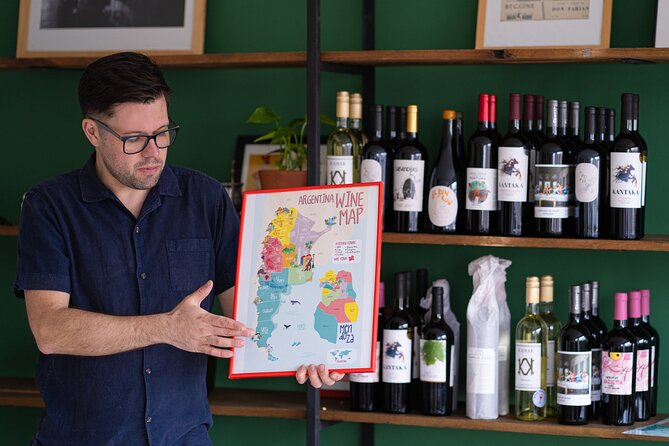
Buenos Aires has a delicious wine secret. This two-hour tasting introduces you to four boutique Argentine wines from different regions, each paired with a freshly made regional tapa. I like the clear sense of place, from the dry north to Patagonia and Mendoza, and I like the warm, personal hosting from Bertie and Aby.
The $84 price is fair if you value both food and instruction, since it includes four wines, generous chances to repeat pours, and a small dish with each wine. The main consideration is the setting: this is an intimate home-based experience, not a formal winery tour, and some people have had trouble getting through the entrance.
You will learn about grapes, producers, food, and Argentine culture without needing much wine knowledge beforehand. The only real limit is the short schedule, which gives you a useful introduction but not a full survey of the country’s wine.
Key points to know before booking
- Four regions in about two hours: The tasting moves across Argentina, from the arid north to Patagonia and Mendoza.
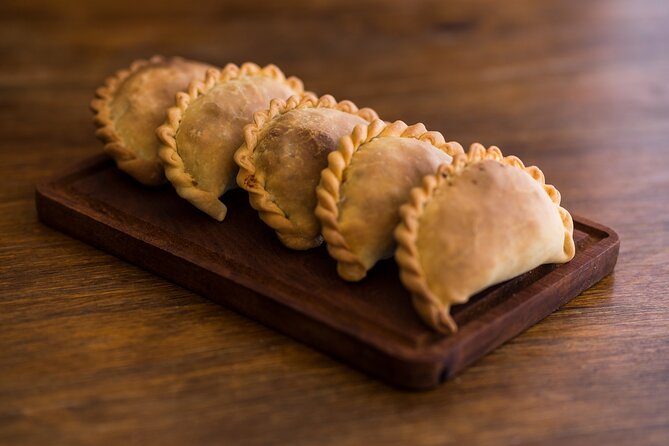
- Every wine has a food partner: Aby prepares homemade regional tapas to match each pour.
- Small producers take center stage: The wines come from family-run wineries chosen for character rather than fame.
- Bertie leads the wine side: He explains grapes, regions, winery stories, and the reasons behind each pairing.
- Aby’s empanada and humita get special praise: The food is not filler between tastings. It is a major part of the experience.
- The group is capped at 14 people: That keeps the format personal, though it can still feel social rather than private.
A wine tour that begins at a Palermo Soho address
You meet at Soler 5650 in Buenos Aires, in the Palermo Soho area, and return to the same place when the tasting ends. The activity is near public transportation, which helps if you are staying elsewhere in the city, though you should allow time to find the entrance.
That last point matters. One person enjoyed the food and atmosphere but had trouble getting inside. I would confirm the entry instructions before setting off, especially if you are arriving for an early afternoon session or using a ride service.
The setting is part of the appeal. This is not a large tasting room where you stand in a crowd and rush from one sample to the next. It takes place in a cozy home setting, with some people noting the attractive apartment and view over Palermo Soho. The room gives the event a relaxed, conversational feel.
That informality also sets expectations. You are not visiting vineyards, walking through cellars, or meeting winemakers in person. You are receiving a carefully selected introduction to Argentine wine in Buenos Aires. For most people, that is a useful choice at the start or end of a city stay.
More Tapas and Wine Tours in the world:
- Montserrat Half-Day Tour with Tapas and Gourmet Wines
★ 5.0 · 7,359 reviews - Montserrat & Cogwheel Train, Gourmet Wine Tasting & Tapas/Lunch
★ 5.0 · 6,290 reviews - Barcelona Tapas and Wine Experience Small-Group Walking Tour
★ 5.0 · 5,804 reviews
The opening pour: Argentina beyond Malbec
Many visitors arrive in Argentina expecting Malbec to tell the whole wine story. This tasting wisely avoids making that mistake. Malbec is important, but the experience presents wines from several parts of the country and includes only one Malbec in the lineup described by one particularly wine-focused account.
The advertised format is four wines, each from a different producer and region. One account described learning about five wines, so the exact selection may change. That is not a reason to book or avoid the event, but you should think of the four-wine plan as the standard structure rather than a rigid promise about every bottle.
Bertie explains where each wine comes from and why particular grapes work in particular places. This geographical approach gives the tasting a useful backbone. Instead of hearing a string of tasting notes that may blur together, you connect the wine to climate, farming, and local food.
The route begins in Argentina’s dry north, then heads south toward the cooler plains of Patagonia before moving north again to Mendoza. That route is more than a clever theme. It shows how widely conditions vary across the country, and why Argentine wine cannot be reduced to one famous grape or one famous province.
Four wines, four small plates, and a clear reason for each match
The food is served with the wine, not afterward as a separate meal. Each pour comes with a small tapa prepared fresh by Aby, and the pairings are chosen to make both the food and wine taste better together.
That matters at an $84 tasting. You are paying for an edible lesson, not just four glasses. Several dishes receive strong praise, especially the empanada and the Inca-inspired humita. If you are planning a full meal afterward, remember that the tapas are described as small, even though the overall food offering has left many people satisfied.
Aby’s cooking gives the tasting a local voice. Her recipes are tied to regional traditions and come with stories of their own. The humita is a particularly useful example because it links food to Indigenous and Andean influences, adding cultural context beyond the usual steak and Malbec conversation.
The empanada also gets repeated attention. One person called it the best empanada of a full Argentina trip, which is a high bar. You should treat that as personal praise rather than a guarantee, but it does show how central the food is to the experience.
The pairings also help if wine terminology makes you nervous. You can taste what changes when a wine meets a savory filling, corn-based dish, or other regional preparation. That is often easier to understand than a lecture about acidity or tannins.
From the arid north to cool Patagonia
The northern wines give the tasting a starting point in a dry part of Argentina. The exact grapes and bottles are not listed in the available information, so you should not book expecting a fixed menu. The value lies in the regional comparison and the explanation of the producer behind each bottle.
Patagonia then brings a cooler point of reference. The shift from the dry north to the southern plains helps you notice how climate affects style. Even if you are new to wine, you can follow the basic idea: different growing conditions lead to different kinds of fruit, freshness, body, and balance.
The tasting later reaches Mendoza, the country’s best-known wine region. It would be easy for a Buenos Aires wine event to serve only famous Mendoza bottles, but this one gives Mendoza just one place in a wider national picture. That is one of its strongest features for curious drinkers.
The wines come from small, family-run producers. You will not simply hear brand names that appear on every export shelf. Instead, the focus is on wineries that make distinctive bottles with a sense of place. The selection may be especially useful if you want to buy Argentine wine later and need ideas beyond the most obvious labels.
A few more tapas tours around the world worth a look
- Montserrat with Black Madonna & Medieval Winery with Tapas/Lunch
★ 5.0 · 5,209 reviews - Barcelona: Montserrat and Winery Tour with Tapas or Lunch
★ 4.8 · 4,695 reviews - Barcelona: Tapas Walking Tour with Food, Wine, and History
★ 4.8 · 4,261 reviews - Madrid Tapas & Wine Tasting Walking Tour – Small Group Local Bars
★ 5.0 · 3,644 reviews
Bertie and Aby make the lesson feel social
Bertie handles the wine presentation, while Aby prepares and explains the food. Their roles complement each other well. Bertie brings detailed information about producers, regions, and grapes, while Aby gives the dishes a personal and cultural frame.
The tone appears to be relaxed rather than formal. People have enjoyed talking with the hosts about travel and other subjects between pours, and the event works well for couples, solo visitors, friends, and honeymooners. You do not need to arrive as a wine expert.
I especially like the balance between instruction and conversation. A tasting can become tiring when every glass comes with a long speech. Here, the small group and home setting allow questions to shape the discussion. You can ask about a region, a grape, or a bottle you might want to buy later.
The group limit is 14 people. That is small enough for personal attention, though it does not guarantee a private appointment. If the session fills, expect a shared table and conversation with people you have not met. That is a plus for solo visitors and a possible drawback if you want a quiet date with no social element.
Is $84 a good value?
At $84 per person, this is not a quick tasting at a wine bar. You are paying for two hours, four wines from different parts of Argentina, homemade tapas, regional stories, and a host-led lesson. You can also repeat the wines, which improves the value for people who want a second taste before deciding what they prefer.
The food makes the price easier to justify. Four small plates prepared specifically for the wines would cost more than a bowl of bar snacks, and the pairings give the session a real structure. The event also offers something you cannot get from simply ordering a bottle at dinner: an explanation of the producer, region, and food connection.
The price is less compelling if you want a large meal, a winery visit, or a long tasting of many bottles. The activity lasts about two hours, and the tapas are small. Think of it as a substantial introduction with food, not a replacement for a full restaurant lunch or a day among vineyards.
You may purchase bottles at the end. That is convenient if you find a favorite, though the supplied information does not specify prices, shipping arrangements, or how many bottles can be taken home. Ask about those details during the tasting rather than assuming the same purchase options apply to every destination.
Who will enjoy this Buenos Aires experience?
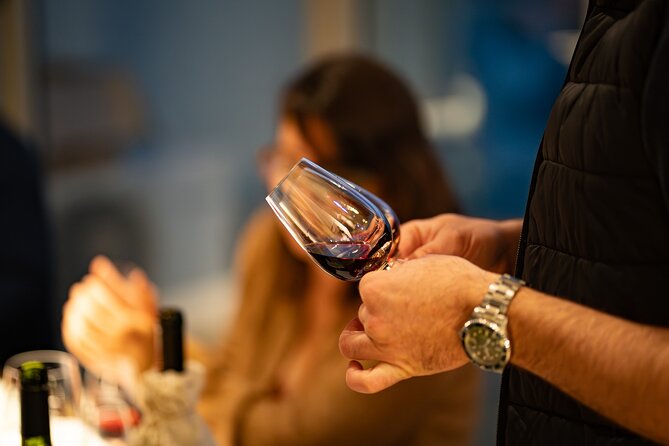
I would recommend it to anyone who wants a gentle introduction to Argentine wine before exploring restaurants and wine shops in the city. The regional structure gives you useful vocabulary and reference points without demanding prior knowledge.
It is also a good fit for people who care as much about food as wine. Aby’s tapas are a central feature, not an afterthought, and the empanada and humita deserve particular attention. If you are planning a special afternoon, the relaxed setting works well for a date or honeymoon activity.
Solo visitors should find the small group format welcoming. The hosts make an effort to keep people comfortable, and the social setting gives you an easy way to meet others. Friends can also use it as a low-key afternoon activity rather than a loud night out.
Wine specialists may appreciate the emphasis on lesser-known producers and the fact that the lineup is not built entirely around Mendoza Malbec. Still, experts should remember that this is an introduction. Four wines cannot cover Argentina’s full range.
I would be more cautious if you dislike eating small portions, want a completely private event, or expect to tour an actual vineyard. You should also check the entrance details in advance because one person had difficulty getting in.
Timing, transport, and booking details
The tasting lasts approximately two hours and ends at the meeting point on Soler 5650. It is near public transportation, but the activity does not include transport to or from the address.
Confirmation is provided when you book, and service animals are allowed. The maximum group size is 14 people. The activity is popular enough that it is booked around 40 days ahead on average, so I would reserve early if your Buenos Aires dates are fixed.
Free cancellation is available up to 24 hours before the start time for a full refund. Changes or cancellations made within 24 hours are not accepted for a refund. The experience also needs a minimum number of people to operate. If that minimum is not reached, you are offered another date or experience, or a full refund.
Should you book Discover Argentine Wines and Tapas?
I would book this if you want a friendly, food-centered introduction to Argentina’s wine regions without leaving Buenos Aires. The strongest reasons are the four-region format, the family-run producers, Bertie’s clear explanations, and Aby’s homemade tapas.
The experience earns its price through the pairing work and personal hosting. It gives you more context than a standard bar tasting, while staying less formal than a wine school. Just keep your expectations realistic: the portions are small, the session is short, and the setting is a home rather than a winery.
Book it early, confirm how to enter the building, and arrive ready to ask questions. If you like food, wine, and a good story behind both, this is one of the more useful ways to spend two hours in Palermo Soho.
FAQ
Where does the wine and tapas experience begin?
It begins at Soler 5650, C1425BYH, in Buenos Aires.
Where does the activity end?
The experience ends back at the meeting point.
How long does the tasting last?
The tasting lasts approximately two hours.
How many wines are included?
The standard format includes four wines from different parts of Argentina and different producers.
Can I repeat a wine?
Yes. You are welcome to repeat the wines during the tasting.
Is food included?
Yes. A small tapas dish is served with each wine.
Who prepares the tapas?
Aby prepares the homemade regional tapas fresh for the tasting.
How many people can join?
The maximum group size is 14 people.
Is the experience near public transportation?
Yes. The meeting point is near public transportation.
Can I cancel for a full refund?
Yes, if you cancel at least 24 hours before the experience start time. Cancellations made less than 24 hours before the start are not refunded.
Just added around the world
- Zaragoza: Midday Market and Tapas Tour★ 5.0 · 8 reviews
- Zaragoza: Wine Tasting and Tapas★ 5.0 · 15 reviews
- Winery Visit and Tasting in Elche with wines and tapas from Alicante in Van★ 5.0 · 9 reviews
- Wine Tasting and local tapas delight in Cordoba★ 4.9 · 3 reviews
- Valencia Old Town flavour walk: tapas & drinks by local★ 5.0 · 11 reviews
- Valencia: City Tour with Tapas Shore Excursion★ 5.0 · 9 reviews
- Valencia: Tapas and Sightseeing guided tour★ 4.9 · 9 reviews
- Valencia: Guided Private Bike Tour with Tapas and Drinks★ 4.6 · 2 reviews
Tapas and Wine Tours, compared.
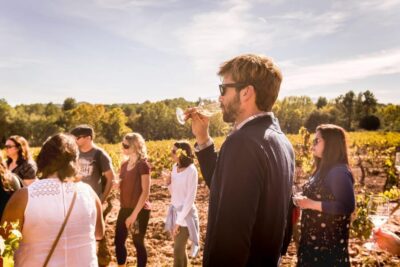
Montserrat Half-Day Tour with Tapas and Gourmet Wines
Read our review →
Montserrat & Cogwheel Train, Gourmet Wine Tasting & Tapas/Lunch
Read our review →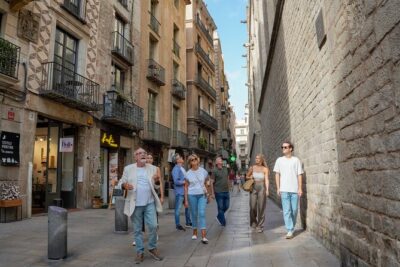
Barcelona Tapas and Wine Experience Small-Group Walking Tour
Read our review →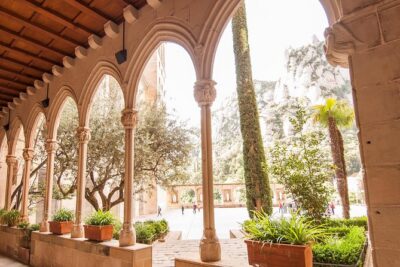
Montserrat with Black Madonna & Medieval Winery with Tapas/Lunch
Read our review →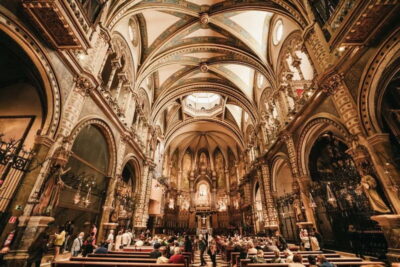
Montserrat and Winery Tour with Tapas or Lunch
Read our review →
Tapas Walking Tour with Food, Wine, and History
Read our review →
Madrid Tapas & Wine Tasting Walking Tour – Small Group Local Bars
Read our review →
Sevilla Food Tour: Tapas, Wine, History & Traditions
Read our review →Browse the lists this tour appears in