
Review · MADRID
Madrid Tapas & Wine Tasting Walking Tour – Small Group Local Bars
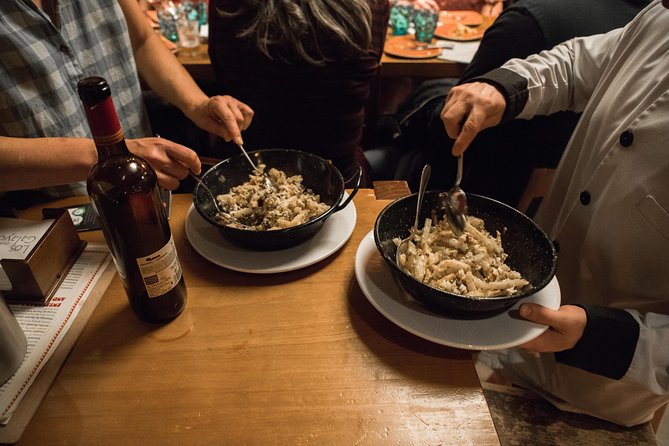
Madrid is best understood one small plate at a time. This three-hour walk through the Literary Quarter links four local bars with more than 10 tapas, Spanish wines, and the kind of food guidance that helps you order better for the rest of your stay. I especially like the maximum 12-person group and the smart mix of dishes such as Iberian ham, cod brandade, chickpea stew, and eggplant with honey.
I also like that each stop offers a drink, with wine, beer, vermouth, soft drinks, or water available. Guides including Noemí, Carlos, Eva, and Juan Felipe have earned warm praise for explaining both the food and the streets around it. The main consideration is that the bars and dishes can change, and one past participant found the tapas less satisfying than the wine.
Key details before you book
- Four traditional Madrid bars: You move from an old Castilian sherry bar to a tavern with an open kitchen and a more than 100-year-old drinking spot.
- More than 10 tapas and four drinks: The portions are intended to replace dinner, though one review found the meal lighter than expected.
- A small group of up to 12: This gives you a better chance to ask questions and keep up during the walking sections.
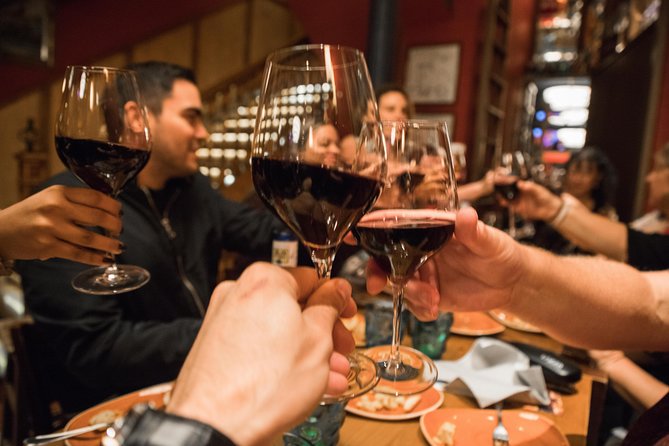
- Wine from several Spanish regions: Tastings may include Tempranillo, Malvar, Garnacha, and Parellada, with beer or soft drinks as alternatives.
- A Literary Quarter walking route: Plaza de Santa Ana, Calle de las Huertas, Plaza del Ángel, Calle de la Cruz, Felipe III Statue, and Plaza Mayor shape the experience.
- Best booked early: The tour is booked an average of 33 days ahead, a useful clue for planning busy Madrid dates.
Why this tapas walk works well in Madrid
Madrid has no shortage of places selling small plates. The problem is knowing which door to open, what to order, and how much food counts as a proper meal. This tour takes away much of that guesswork.
You meet by the Federico García Lorca statue in Plaza de Santa Ana, then walk through the Literary Quarter, an area where old taverns, wine shops, and restaurants sit close together. Along the way, your guide explains the origins of tapas, the regional roots of Spanish dishes, and how people who moved to Madrid helped shape its cooking.
That context matters. A plate of salted cod means more when you understand its place in Spanish cooking. A glass of wine becomes more useful when you hear why a Tempranillo differs from a Malvar or Garnacha. You leave with more than a full stomach. You have a better sense of how to continue eating in Madrid on your own.
The strongest part of the experience is the combination of movement and tasting. You are not seated in one restaurant for three hours, and you are not rushing through a checklist of photo stops. You walk a little, eat a little, listen, and repeat. The pace also creates natural openings to chat with the other people in your group.
More Tapas and Wine Tours in Madrid
- Madrid: Tapas & Wine Tasting Tour with Local Guide
★ 4.8 · 2,171 reviews - Madrid Tapas & Wine Tour with Rooftop Views and Local Guide
★ 5.0 · 2,047 reviews - Madrid: Food & Wine Tour with 10 Tapas & 4 Drinks Included
★ 4.9 · 984 reviews
Starting at Plaza de Santa Ana
Your guide meets you at the Federico García Lorca statue in Plaza de Santa Ana. Allow enough time to find the statue and arrive ready to walk. The opening stop is brief, but it places you in the center of the Literary Quarter and sets up the food and cultural themes that follow.
The first meal may include familiar Spanish favorites such as Spanish omelet and Iberian ham, along with less obvious choices. Cod brandade, roasted eggplant with honey, salted cod, and chickpea stew give the tasting more range than a basic ham and cheese crawl.
I like that the food list includes both easy introductions and dishes you might not choose by yourself. A guide can explain what you are eating and point out regional or historical connections that a menu often leaves out.
The exact offerings are not fixed. The time of day, guide, weather, and bar schedule can affect the route. That flexibility is practical, but it means you should treat the published dishes as examples rather than promises.
Calle de las Huertas and the first bar
The first full stop is described as a Castilian sherry bar with an old-fashioned interior and a daily chalkboard of tapas. It is the sort of place where the drink is part of the lesson.
You may hear about fortified wines ranging from crisp finos to aged olorosos. Even if sherry is not your usual drink, this is a useful chance to try a Spanish style with a guide explaining what makes it different. The tour includes one drink and one tapa at each bar, and wine is only one option. Beer, vermouth, soft drinks, or water may be available.
The bar’s local atmosphere is another plus. You are not simply tasting products in a formal classroom. You are seeing how a traditional Madrid drinking place functions, with its food specials, old decor, and neighborhood clientele.
One practical point: the tour is conducted in English and Spanish as needed, but it is sold in English. If food and wine vocabulary matters to you, ask questions early. The small group makes that easier, especially when the guide is managing several dishes at once.
Plaza del Ángel and the wine shop behind the bottles
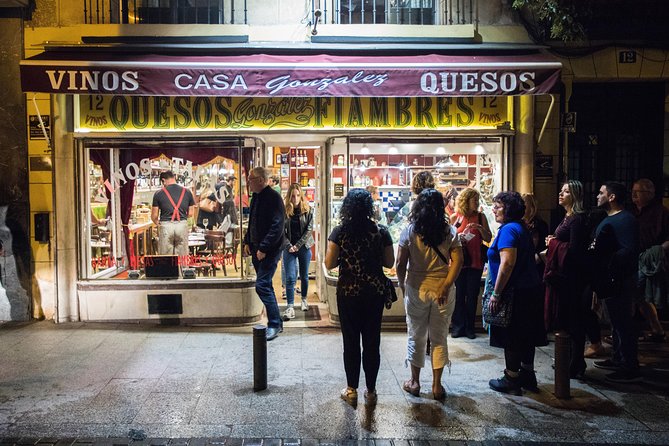
The second stop is a wine bar that also works as a store. Its bottles form part of the setting, and the arrangement lets you browse products you may want to take home.
This stop adds a useful shopping angle to the tasting. Instead of hearing about Spanish wine only as something consumed during the tour, you can see how the bottles are presented and consider what to buy later. The tasting may include wines such as Tempranillo, Malvar, Garnacha, or Parellada, though the precise selection can change.
The food pairing is part of the visit, not an extra course. You might receive eggplant with honey, Spanish omelet, cod brandade, ham, or chickpea stew. The guide’s role is especially helpful here because pairing a drink with a small dish can show you how Spanish meals balance salt, sweetness, acidity, and texture.
If you are not drinking alcohol, this stop still works. The included alternatives make the tour accessible to people who prefer beer, a soft drink, or water. Cocktails and spirits are not included, so do not count on those as substitutes.
More Tapas and Wine Tours in Spain
- Madrid Historic Centre Food Tour with Authentic Tapas & Wines
★ 5.0 · 814 reviews - Madrid Guided Food Tour with Tapas and Spanish Wine
★ 4.9 · 773 reviews - Madrid: Guided Tapas and Wine Tour with Rooftop Views
★ 4.8 · 608 reviews - Old Madrid Tapas and Fine Wine Small Group Tour
★ 5.0 · 415 reviews
Calle de la Cruz and the open kitchen
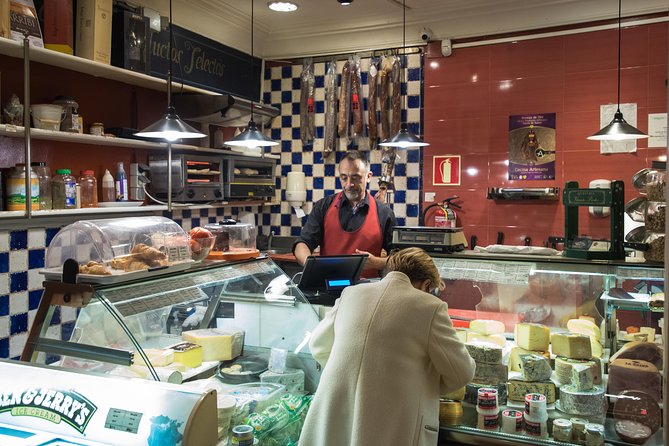
The third bar is a warm tavern with an open kitchen. Watching food being prepared gives this stop a more direct connection to the cooking than a simple seated tasting.
An open kitchen also helps you see the working side of a tapas bar. You can watch dishes take shape and get a better feel for how quickly small plates move from preparation to table. The tour information does not promise a fixed dish here, so keep an open mind rather than arriving with one required order in mind.
This is where the tour’s format becomes particularly useful. Four separate bars offer different moods and cooking styles. If one dish is not your favorite, another stop is coming soon. The tasting is broad enough to include seafood, cured meat, vegetables, eggs, and legumes.
That said, expectations matter. The tour promises more than 10 tapas and says the amount should be enough for a full dinner. One person felt the food was not quite sufficient for an evening meal, while another canceled a dinner reservation after finding the afternoon portion ample. Appetite, portion size, and the day’s menu will all affect your experience.
The Felipe III Statue and the century-old tavern
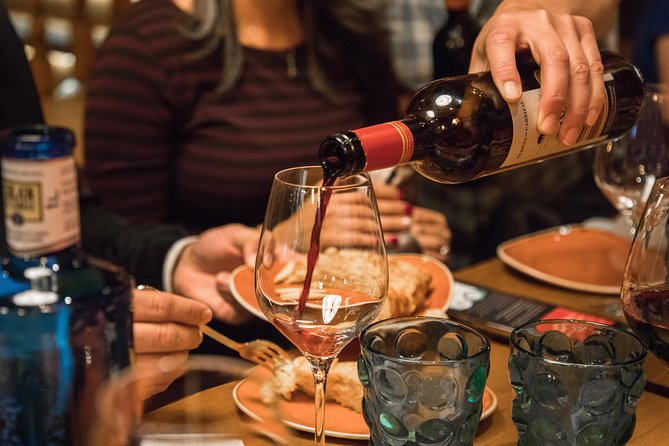
The fourth bar is described as dark and bohemian, with more than a century of business behind it. You finish the formal tastings here with another drink and food before heading toward the center of Madrid.
This final stop gives the tour a sense of place. Old taverns are not only restaurants. They are part of the city’s social life, and a long-running bar can tell you something about the habits and tastes that have survived changing fashions.
The stop near the Felipe III Statue also moves you toward Plaza Mayor. Depending on the guide and route, the tour may finish in or near the square, or at another central point in the Literary Quarter. The details supplied for the meeting and ending points are not completely consistent, so confirm the precise finishing location on the day. In either case, you remain close to Madrid’s central sights and public transportation.
What the guides add to the food
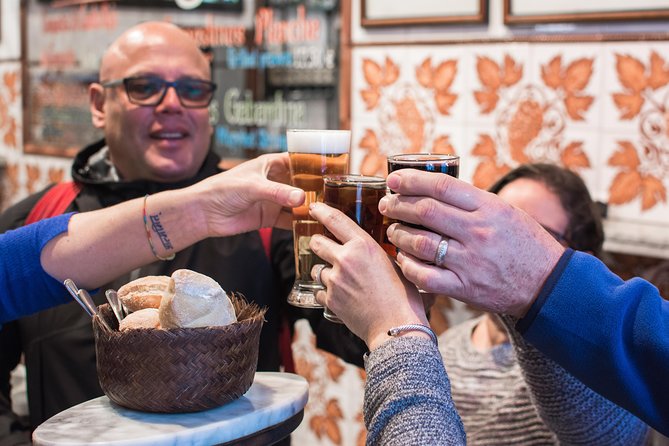
The guide is the difference between a bar crawl and a useful food tour. The best comments about this experience focus on the guides’ warmth, local knowledge, and ability to connect food with Madrid’s streets.
Noemí is repeatedly praised for explaining Spanish wines, accommodating vegetarian requests, and creating a welcoming mood. Carlos is described as especially strong on wine, even calling himself a wine nerd, while also explaining the food and taking groups to places that feel local. Juan Felipe added personal stories about growing up close to Plaza Mayor, which gave the walking sections a more personal edge.
Those details matter if you are choosing when to take the tour. I would book it near the start of your Madrid stay. You can ask about other bars, return to places you liked, and use the guide’s suggestions for the rest of your meals.
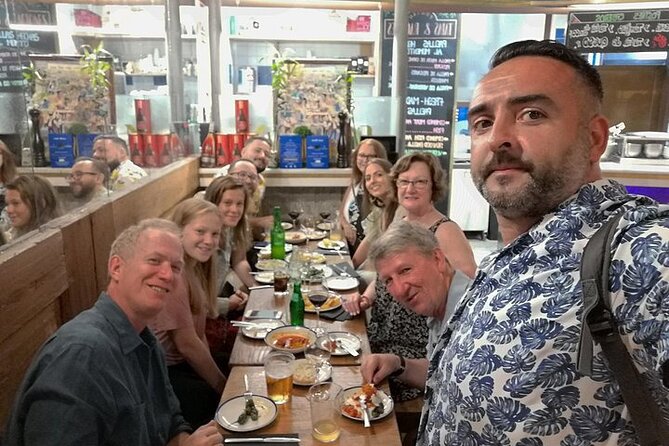
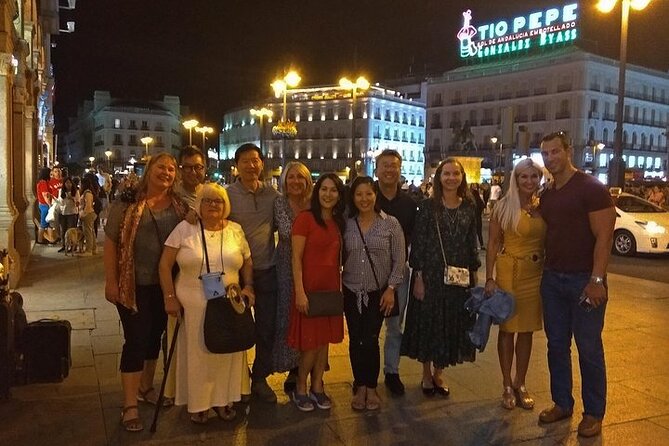
Solo visitors may find the format especially appealing. The group is small, and the stops give people easy topics to discuss. One solo participant began alone and ended up making friends, helped by a guide who made the group feel included.
Food needs, age limits, and the walking effort
Vegetarian requests have been accommodated according to the supplied experiences, but you should state your needs when booking or meeting the guide. The published menu is not fixed, so the guide needs advance notice to handle substitutions.
The minimum age for wine tasting is 18. Children under four cannot join the tour. Service animals are allowed, and most people can take part, but the experience does involve walking between several central bars and standing or sitting in different venues.
No special fitness level is stated. Still, wear comfortable shoes and arrive ready to move through city streets. This is not a bus-based tasting. The Literary Quarter route is part of the experience.
Is $93.12 a fair price?
At $93.12 per person, the price is not low for a three-hour activity. It becomes more reasonable when you count the four included drinks, more than 10 tapas, a bilingual local guide, and the convenience of reserved or organized stops.
You are also paying for access and judgment. Madrid’s popular food streets can be confusing, and ordering four rounds of food and drink without guidance can cost plenty while producing a less varied meal. A small group of no more than 12 gives the guide room to explain wines and dishes without turning the walk into a large procession.
The value is strongest if you want a full introduction to Madrid food culture in one evening or afternoon. It is weaker if you already have a long list of favorite tapas bars, prefer to order entirely on your own, or want a formal wine class.
The experience has a 4.9 rating from 3,644 reviews, with 97 percent recommending it. That record points to a reliable format, though it does not remove the normal uncertainty of changing menus and different guides. One person reported serious illness afterward, while the company stated that no one else in the group or later groups reported the same problem. That single account is worth noting without treating it as proof of a general issue.
Afternoon or evening?
Both options follow the same basic idea, but the mood will differ. An afternoon start can work well if you want a substantial lunch and a relaxed introduction to the city. One afternoon participant found there was enough food to cancel dinner.
The evening version fits naturally into Madrid’s later dining rhythm. You finish near the center, with the option to continue eating or drinking independently. If you are treating the tour as dinner, consider your appetite and the possibility that the day’s portions may feel either generous or modest.
I would choose the afternoon if you want time afterward for a museum or a quiet evening. Choose the evening if you want the tour to serve as your first night out and prefer to continue exploring after the final bar.
Who should book this experience?
I would recommend it to first-time visitors, solo visitors, couples, and anyone who wants a friendly introduction to Spanish food without spending hours researching bars. It also suits people who enjoy walking and trying dishes they might not order alone.
Wine drinkers get the most from the regional tasting, but non-drinkers are not left out. Vegetarians can be accommodated, though advance notice is sensible.
I would hesitate only if you need a tightly fixed route, require guaranteed dishes, or expect a large dinner with no variation. The tour is intentionally flexible. Bars can change, food can change, and the exact ending can shift with the day.
FAQ
How long does the Madrid tapas and wine tour last?
The tour lasts approximately three hours.
How many people can join the tour?
The maximum group size is 12 people.
How many bars do you visit?
You visit up to four local tapas bars in Madrid’s Literary Quarter and central area.
How much food and drink is included?
More than 10 tapas are included, along with one drink at each bar. Drinks may include wine, beer, vermouth, soft drinks, or water.
Is wine required?
No. You may choose beer or a soft drink instead of wine. Cocktails and spirits are not included.
Where does the tour start and finish?
The meeting point is at the Federico García Lorca statue in Plaza de Santa Ana. The tour generally finishes centrally, often near Plaza Mayor or elsewhere in the Literary Quarter, and the precise ending can vary by day, guide, venues, and weather.
Should you book it?
Book this tour if you want Madrid explained through food, not just eaten plate by plate. The small group, four-bar route, generous range of dishes, and strong guides make it a good first or second-day activity.
I would reserve ahead, especially for a popular travel period, since it is commonly booked well before the date. Go hungry, wear comfortable shoes, and tell the guide about dietary needs. If you want local bars, useful wine guidance, and a social evening that can lead to more places worth trying, this is a sound choice at $93.12.
More Tapas Walking Tours in Madrid
- Walking Tour Madrid +Pintxo +Drink
★ 4.7 · 326 reviews - Madrid Food Walking Tour with Tapas and Vermouth
★ 5.0 · 167 reviews - Madrid Tapas Experience Walking Tour
★ 4.5 · 120 reviews - Madrid: Tapas Walking Tour with Food and Drinks Included
★ 5.0 · 108 reviews
Just added around Madrid
- Try Madrid Best Churros, Tapas & Market by FLT★ 5.0 · 37 reviews
- Private Wine & Gourmet Tapas Tour in Madrid with Sommelier★ 5.0 · 49 reviews
- Madrid Food Tour – Tapas Walking Tour★ 5.0 · 3 reviews
- Madrid: Private Tapas & Wine Food Walking Tour in La Latina★ 5.0 · 4 reviews
- Culinary tour “Tapas & Wines” in Madrid★ 5.0 · 3 reviews
- Guided Tapas and Flamenco in Madrid★ 4.5 · 21 reviews
- Flamenco show & tasting Tapas with panoramic views in Madrid★ 4.5 · 6 reviews
- Tasting Madrid: Tapas Private Guided Tour (Customizable)★ 5.0 · 7 reviews
Tapas and Wine Tours, compared.

Montserrat Half-Day Tour with Tapas and Gourmet Wines
Read our review →
Montserrat & Cogwheel Train, Gourmet Wine Tasting & Tapas/Lunch
Read our review →
Barcelona Tapas and Wine Experience Small-Group Walking Tour
Read our review →
Montserrat with Black Madonna & Medieval Winery with Tapas/Lunch
Read our review →
Montserrat and Winery Tour with Tapas or Lunch
Read our review →
Tapas Walking Tour with Food, Wine, and History
Read our review →
Sevilla Food Tour: Tapas, Wine, History & Traditions
Read our review →
Valencia Old Town Tour with Wine & Tapas in 11th Century Historic Monument
Read our review →Browse the lists this tour appears in