
Review · SEVILLE
Seville Jewish Quarter Small Group Tour with Tapas and Drinks
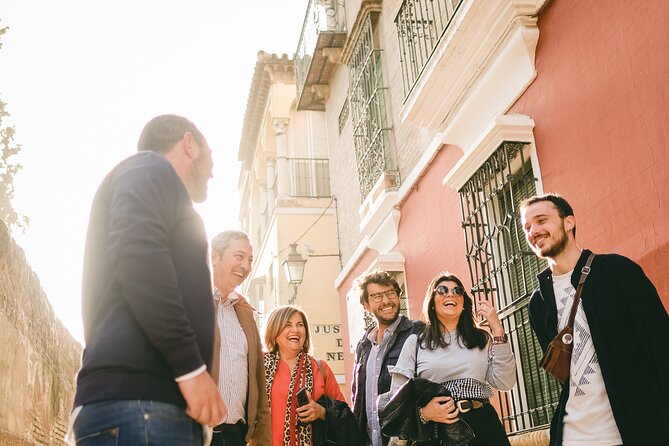
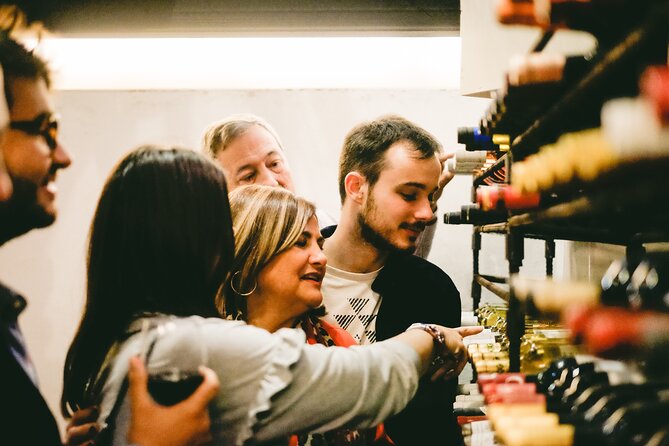
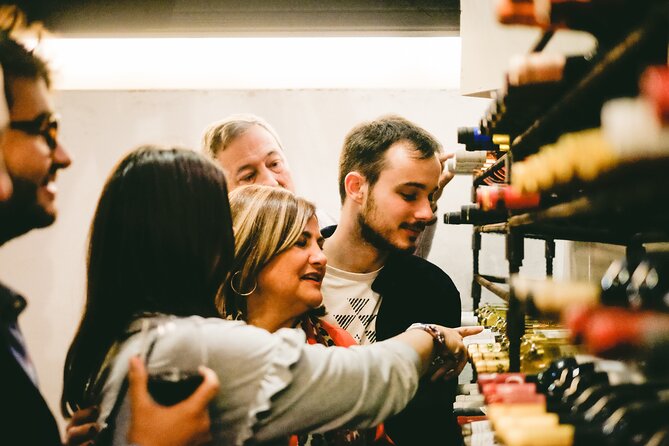
History tastes better with tapas. This three-hour walk through Seville’s Jewish Quarter pairs small-group storytelling with a proper Andalusian meal, and I love the way it reaches beyond the polished sights around the Alcazar. I also like the maximum group size of 10, which gives you a better chance to ask questions and keep up with the guide. The main drawback is that much of the Jewish Quarter’s physical past has disappeared, so this is a tour of places, clues, and stories rather than a parade of surviving monuments.
The guides are the heart of the experience. Miguel, Marta, Barbara, Valentín, Carmen, Clara, Carlos, Jose, and others have been praised for making complex history clear and lively. You should expect narrow lanes, small squares, urban history, and a meal of three traditional tapas with two drinks. Rain need not ruin it, but comfortable shoes and a little patience with the walking pace will help.
Key Points to Know Before Booking
- The tour begins beside the Alcazar: You start at Plaza del Triunfo and learn how the royal fortress shaped the nearby Jewish Quarter.
- The group is capped at 10 people: This keeps the walk personal and makes questions easier.
- The Jewish Quarter is read through clues: Streets, old boundaries, religious sites, a cemetery structure, and local legends fill in what time has erased.
- Three tapas and two drinks are included: The final meal usually features Andalusian dishes such as salmorejo, croquetas, oxtail, or spinach with chickpeas.
- The guides bring different strengths: Marta and Miguel are praised for clear explanations, while Barbara, Valentín, Carmen, Carlos, Clara, and Jose are noted for warmth and strong storytelling.
- It is a compact walk with a flexible food finish: The walking portion is about an hour and a half, followed by dinner at a local tapas bar.
Starting at Plaza del Triunfo and the Alcazar
Your meeting point is Plaza del Triunfo, beside Seville’s cathedral, the Alcazar, and the Archive of the Indies. It is one of the city’s busiest sightseeing areas, but this tour uses it as a doorway into a quieter part of Seville.
The opening talk covers Seville’s story in broad strokes before turning toward the Jewish Quarter. You will also hear about the origins of the Alcazar and its importance to the area. This is useful context because the Jewish Quarter was not an isolated pocket. Its location beside a fortified royal complex affected its borders, status, and daily life.
I like this opening because it helps you read the city as a connected place. The Alcazar is not just a grand palace to photograph. Its walls and political role help explain why the nearby streets developed as they did.
Plaza del Triunfo can be crowded, so arrive early enough to locate the guide without rushing. The start is near public transportation, and the end is on Calle Lope de Rueda in the old center, close to the cathedral area.
A few more tapas tours around Seville worth a look
- Sevilla Food Tour: Tapas, Wine, History & Traditions
★ 5.0 · 3,468 reviews - Ultimate Seville Tapas, Wine & History Small Group Tour
★ 5.0 · 1,766 reviews - Seville: Tapas Crawl
★ 4.9 · 1,705 reviews
Reading the Streets Instead of Looking for Big Monuments
One of the most useful parts of the walk is the explanation of Seville’s urban changes. The guide does not simply point at old buildings and recite dates. You learn how the area changed over time and how those changes shaped the city you see today.
This matters because very little of medieval Jewish Seville survives in an obvious form. You may walk through a lane without seeing a sign that announces its former purpose. The value here comes from learning how to notice street patterns, tucked-away entrances, small plazas, and the relationship between homes, religious buildings, and defensive walls.
The quarter is known for winding streets and compact squares. That layout can feel confusing if you explore alone, especially when modern Seville has covered or altered older traces. With a guide, the streets become evidence. A turn, a boundary, or an unusual building can point toward the area’s earlier life.
The walking is not described as difficult, and the route is compact. Still, Seville’s old center has stone and uneven surfaces, so wear sensible shoes. The experience is better when you can look up at balconies and walls instead of concentrating on every step.
The Story of Susona and the Street of Death
The legend of Susona is one of the tour’s more memorable stories. It belongs to the medieval Jewish Quarter and is linked with the atmospheric name Street of Death.
This section gives the walk a human scale. Political and religious changes can feel distant when presented only through rulers and dates. A local legend brings those forces into the lives of individuals and families. You will hear a story tied to betrayal, fear, and the tension of a community living through uncertain times.
As with any old legend, it is best to treat the tale as part of Seville’s cultural memory, not as a simple factual report. That distinction makes it more interesting, not less. The guide’s job is to show how stories survive in streets and names, even when the original buildings have changed.
This is also a good example of why a guide helps in the quarter. Without the explanation, a narrow street may look like just another pretty passage. With the story attached, the setting gains a sharper edge.
Fortifications, Boundaries, and the Alcazar
The route returns to the relationship between the Jewish Quarter and the Alcazar’s fortified area. Seville’s royal center was both a place of power and a physical presence beside the neighborhood.
You will learn why defensive walls mattered and how fortified spaces affected movement around the quarter. The point is not to turn the walk into a military lecture. Instead, the walls help explain the neighborhood’s position within medieval Seville.
I find this kind of context especially helpful if you have already visited the Alcazar. The palace visit shows you courtyards, gardens, and royal rooms. This walk adds the surrounding streets and the people who lived near that center of authority. One experience gives you the grand view; the other helps you understand the city around it.
The tour does not include a separate Alcazar admission, so plan that visit on its own if you want to see the palace interiors. The walk explains the Alcazar’s origin and role from outside as part of the neighborhood story.
Same city, a different plate:
- Authentic Flamenco Show with Tapas & Wine Guided Tour
★ 5.0 · 1,476 reviews - Flamenco Show at Tablao El Arenal with Drink and Optional Dinner or Tapas
★ 4.5 · 1,415 reviews - The Seville Tapas Crawl Tour by Food Lover Tour
★ 5.0 · 1,213 reviews - Seville Ultimate Food Tour
★ 5.0 · 898 reviews
A Medieval Cemetery Hidden in Plain Sight

Another stop focuses on the old medieval Jewish cemetery. Today, the site is preserved in an unusual structure, which gives the guide a chance to explain how sacred places can survive in altered form.
This is not the sort of stop that offers a large, intact cemetery to explore. The remains are limited, and that is part of the lesson. Seville’s Jewish past has been covered, rebuilt, or repurposed over the centuries. You are asked to imagine the earlier setting while looking at what remains now.
For me, this is where the tour’s approach works best. It does not pretend the physical evidence is more complete than it is. Instead, it shows you how historians and local guides piece together a vanished community through location, documents, street plans, and fragments.
If you want a long stop at preserved Jewish monuments, this may feel too brief. If you want to understand why Seville requires interpretation, it is an important part of the route.
A Place Used by Three Mediterranean Cultures
The walk also visits a location used for worship by three cultures of the Mediterranean. The stop places Seville within the wider pattern of religious and cultural change that shaped Andalusia.
The exact value of this point is not just the building itself. It is the repeated change of purpose. A site can carry traces of different communities, beliefs, and political periods, even when later use has changed its appearance.
Your guide will connect the location to the broader history of the city and region. This keeps the Jewish Quarter from being presented as a sealed-off story. Jewish, Christian, and Muslim influences all form part of the setting in which Seville developed.
The explanations are likely to be the strongest part of this stop, since the physical remains do not always speak clearly on their own. Guides such as Valentín and Carlos have been praised for linking local details to the larger story of Spain without losing sight of the street in front of you.
Medieval Homes and a Preserved Secret
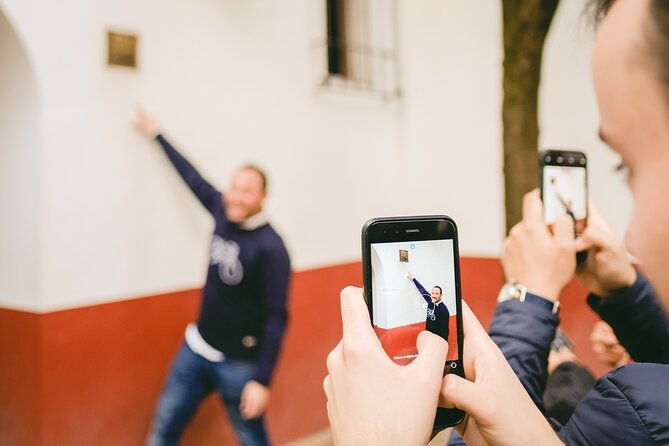
The route points out homes connected with one of the quarter’s lesser-known medieval secrets. The site is now preserved within an interesting hotel, creating one of those odd overlaps between old Seville and modern city life.
You will not be entering a time capsule. The point is to understand how later buildings can contain traces of earlier homes and how the old quarter has been reused. This stop also shows why looking above eye level matters. Doors, walls, and building lines can tell part of the story, but a guide gives those details meaning.
The neighborhood’s narrow lanes make photography easy and rewarding. You will find plenty of framed views, small courtyards, and textured walls. Just remember that this is a living district, not an open-air museum. Keep voices low near homes and avoid blocking doorways while taking pictures.
Santa Cruz, the Square That Names the Quarter
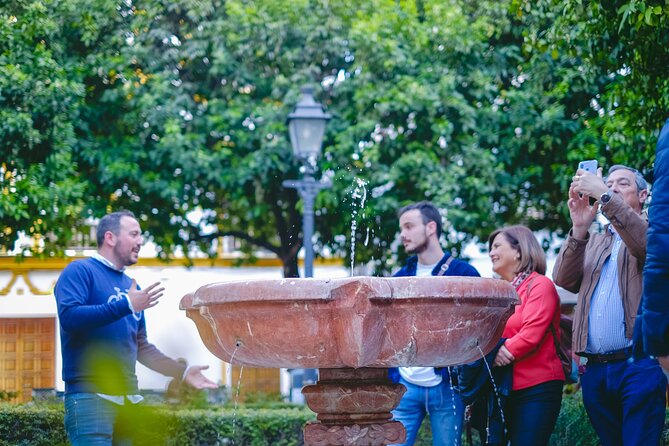
The square that gives the neighborhood its name provides another turning point. It is tied to the first church of the area, a building transformed over the centuries.
This stop helps explain the shift from Jewish quarter to the district now known as Santa Cruz. Names can preserve one period while the surrounding buildings reflect several others. The square gives you a clear place to discuss those changes.
The area is scenic, but it can also be busy and photogenic. The group may need to pause at the edge of the flow rather than gather directly in the middle. That is a small practical point, but it matters in Seville’s old center.
Several guides have been praised for making this part accessible to families. One guide patiently handled questions from three children, while Marta adjusted the pace so one family could translate for Korean-speaking relatives. That suggests the tour can work well for mixed ages and mixed levels of background knowledge.
Three Tapas and Two Drinks to Finish
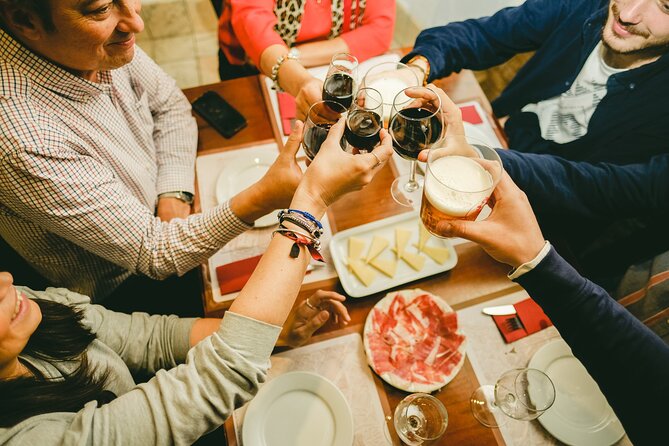
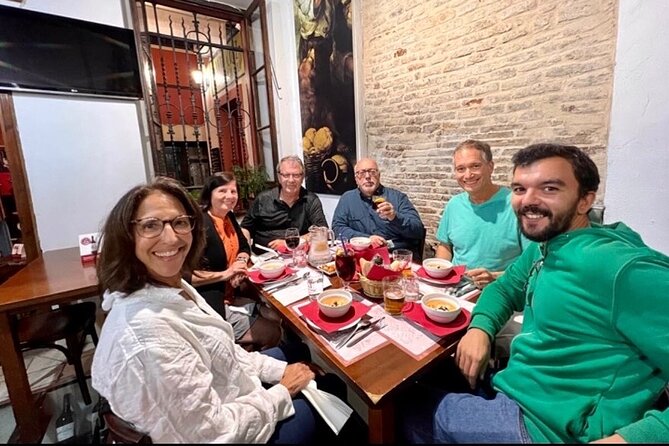
The walk ends at a local tapas bar for a full meal of three traditional Andalusian dishes and two drinks. This is more substantial than a quick snack stop. You should arrive ready to sit down and eat.
The menu changes from session to session, but dishes may include:
- Salmorejo
- Croquetas
- Oxtail
- Spinach with chickpeas
- Pisto
- Pork cheeks
- Aubergines
- Anchovies
- Calamari
- Gazpacho
- Mushrooms
The meal usually combines vegetables with meat, fish, or other local ingredients. Because the exact menu varies, do not book this expecting one specific dish. The appeal is the chance to try a small range of Andalusian food after hearing how the neighborhood developed.
I like that the meal is built into the experience rather than tacked on as an optional suggestion. The tapas give you time to keep talking with the guide and ask questions that came up during the walk. Several guides, including Marta and Valentín, have been praised for making this final conversation feel relaxed and personal.
The restaurant can accommodate dietary needs when you report allergies or intolerances at booking. Gluten-free, no-pork, and no-shellfish requests have been handled successfully, but you should provide those details in advance. Do not assume every dish can be changed at the table.
Price, Group Size, and Overall Value
At $71.35 per person, the cost is reasonable if you want both a guided walk and dinner. You are paying for about three hours, a small group capped at 10, a history-focused route, three tapas, and two drinks.
The value depends on what you want from Seville. If you only want a cheap walk through Santa Cruz, you can explore the lanes yourself. If you want a meal in addition to a guide who can explain the missing pieces of the Jewish Quarter, the price is easier to justify.
The small group is important. A 10-person limit gives the guide room to answer questions and keeps the experience from feeling like a marching line. It also helps in tight lanes where a large group would be awkward.
The tour is offered in English and uses a mobile ticket. Confirmation arrives when you book. It is generally suitable for most people, and service animals are allowed. Free cancellation is available up to 24 hours before the start time. If the minimum number is not reached and the tour is canceled, you can receive another option or a full refund.
Who Will Get the Most From This Walk
I would choose this tour if you enjoy local stories, urban history, and food in equal measure. It is especially useful early in a Seville visit because the route helps you understand an area you may otherwise see only as a collection of attractive lanes.
History fans will get the most from the cemetery, religious site, fortified boundary, and Susona story. Families can also manage it, especially with a guide who welcomes questions and keeps a steady pace.
You may want a different experience if you need extensive access to preserved Jewish buildings or a long museum-style presentation. Much of the quarter’s earlier life survives through interpretation, not intact structures. That is the honest tradeoff.
The guide can make a big difference. Miguel has been praised for enthusiasm and broad local context. Barbara is noted for clear pacing and a strong food finish. Marta brings warmth, humor, and flexibility. Valentín is especially strong at connecting Seville’s Jewish past with the wider cultural story of Spain. Carmen, Clara, Carlos, and Jose have also been praised for making the material engaging and easy to follow.
Should You Book It?
Book this experience if you want Seville explained through its streets, not just photographed from a plaza. The combination of the Alcazar’s political setting, the Jewish Quarter’s surviving clues, local legends, and a three-course tapas meal gives you a useful three-hour introduction to this part of the city.
I would book it early in your stay, especially since it is often reserved about a month ahead. Bring comfortable shoes, arrive at Plaza del Triunfo with time to spare, and share food restrictions when booking. If you accept that the quarter’s story is partly invisible, you will come away with a clearer sense of how much history can hide behind an ordinary-looking street.
FAQ
How long does the Seville Jewish Quarter tour last?
The experience lasts approximately three hours, including the walking tour and the tapas meal.
Where does the tour start?
It starts at Plaza del Triunfo in Seville’s old center, near the Alcazar and cathedral.
Where does the tour finish?
The tour ends on Calle Lope de Rueda in the Casco Antiguo area of Seville.
What food and drinks are included?
The meal includes three courses of traditional Andalusian food and two drinks. Possible dishes include salmorejo, croquetas, oxtail, spinach with chickpeas, pisto, aubergines, anchovies, calamari, gazpacho, and mushrooms. The menu changes by session.
Can dietary restrictions be accommodated?
You should report food allergies or intolerances when booking so the restaurant can be informed. Dietary requests such as gluten-free, no pork, and no shellfish have been accommodated.
How many people can join the tour?
The group has a maximum of 10 travelers, and the tour is offered in English.
Just added around Seville
- Triana Market Tapas Tour★ 4.9 · 12 reviews
- Seville Wine & Gourmet Tapas Tour by Food Lover Tour★ 5.0 · 50 reviews
- The One and Only Nuevo Tapas Tour★ 5.0 · 15 reviews
- Tapas Tour★ 4.5 · 3 reviews
- Tapas and Flamenco in Seville★ 4.5 · 34 reviews
- Sizzle and Savor Seville’s Tapas Expedition★ 5.0 · 2 reviews
- Private off the beaten path Tapas Tasting in Seville★ 5.0 · 2 reviews
- Tapas Tour Sevilla★ 4.5 · 2 reviews
Seville Tapas Tours, compared.
Sevilla Food Tour: Tapas, Wine, History & Traditions
Read our review →
Ultimate Seville Tapas, Wine & History Small Group Tour
Read our review →
Authentic Flamenco Show with Tapas & Wine Guided Tour
Read our review →
Flamenco Show at Tablao El Arenal with Drink and Optional Dinner or Tapas
Read our review →
The Seville Tapas Crawl Tour by Food Lover Tour
Read our review →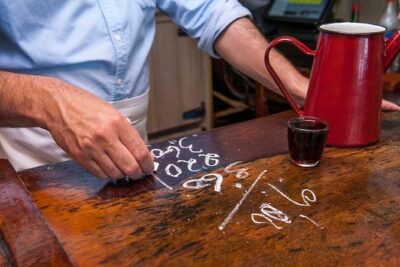
Browse the lists this tour appears in