
Review · TAPAS
Budapest: Hungarian Wine Tasting with 8 Wines and Tapas
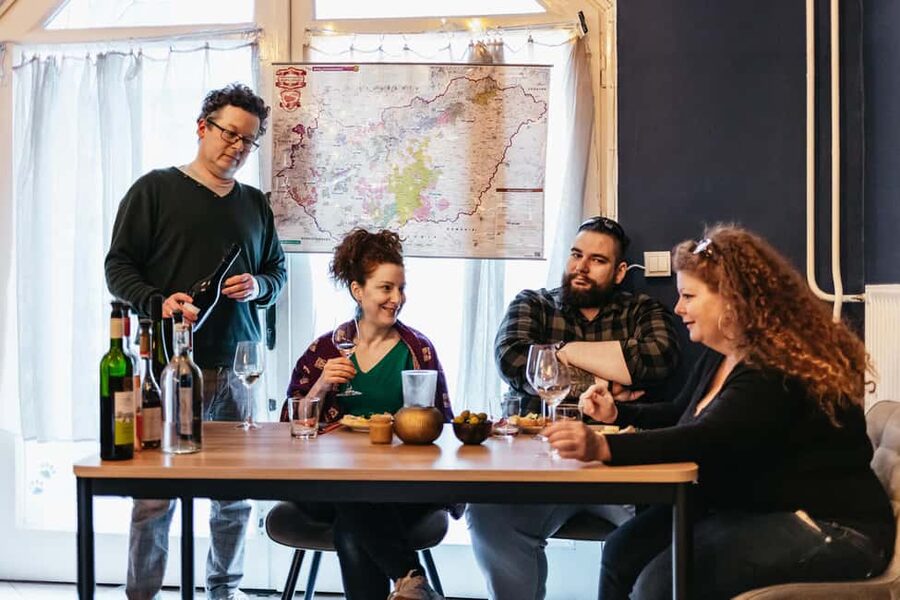
Hungary makes far more than sweet wine. At Wine the Gap, you spend two hours tasting local bottles while an English-speaking wine expert explains the country’s grape varieties, wine regions, and long connection with winemaking. I like the clear sense of place here: the wines come from different parts of Hungary, and the guide uses a map to show you where each bottle belongs.
I also like the generous local food pairing, with cheeses, ham, sausages, olives, tomatoes, and other farm products from outside Budapest. The main consideration is that the tasting is for adults only, and the exact wine count needs checking before you book: the experience title says eight wines, while the details describe seven, and several recent sessions included eight.
Key points to know before booking
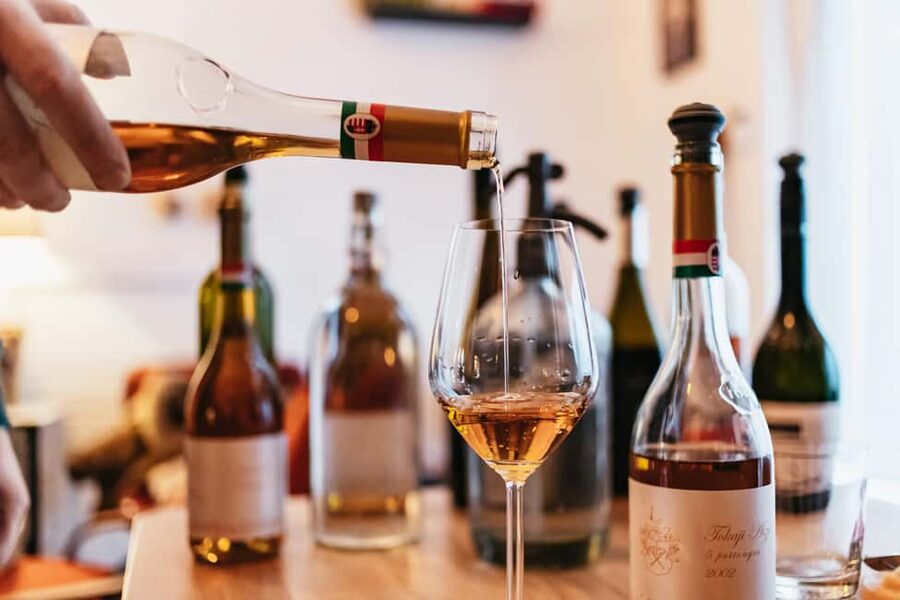
- A two-hour introduction to Hungarian wine: You taste several regional styles without leaving central Budapest.
- A guide-led experience: Miki, Miklos, Bianca, Luca, and other hosts have led sessions, with Miki receiving especially warm praise for his stories and enthusiasm.
- Local grapes and regional context: You learn about cserszegi fűszeres, furmint, kadarka, Bull’s Blood, and the areas where Hungarian wine is made.
- Farm-sourced tapas included: Cheese, cured meats, sausages, olives, and tomatoes make this more filling than a bare tasting.
- Small-group atmosphere: Some sessions have been intimate enough for personal questions, including one attended by a single participant.
- Good value at $68: The price covers the guided tasting, food, water, tasting notes, and a map of Hungary’s wine regions.
Why this Budapest wine tasting is worth your evening
Budapest has no shortage of wine bars, but it is easy to drink Hungarian wine without understanding what makes it different. This experience gives you a useful framework. Instead of ordering a random bottle and hoping for the best, you learn how grapes, regions, production methods, and local history shape what is in your glass.
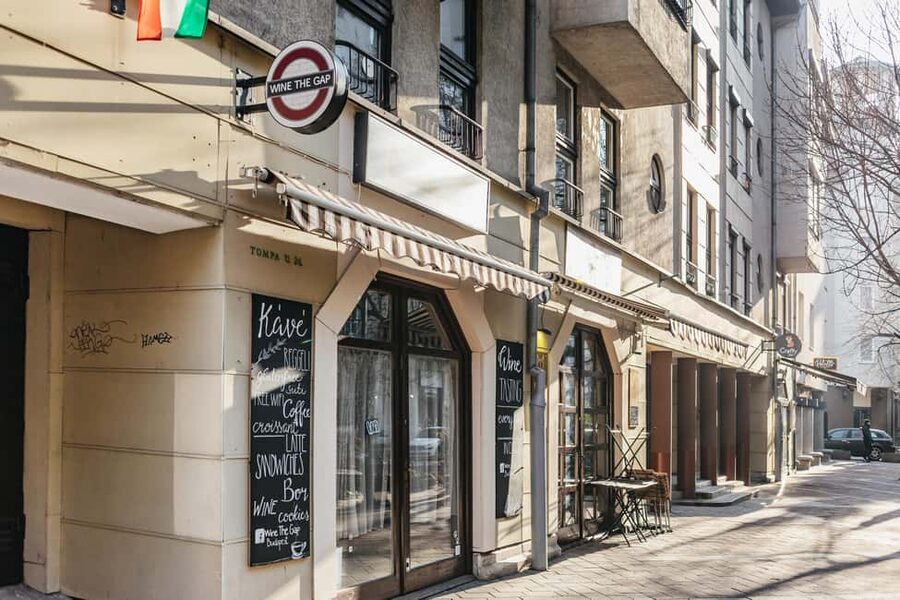
The setting is Wine the Gap, a central wine bar and event space. You meet your guide there, settle in, and begin with an introduction to Hungarian wine and its main growing regions. The atmosphere appears relaxed rather than formal. Several sessions have felt more like a friendly gathering than a classroom, which matters if wine education normally makes you nervous.
Miki is the guide most often praised for his lively delivery, but other hosts, including Bianca and Luca, have also led enjoyable tastings. The important point is that this is not a silent flight of samples. Your guide explains what you are tasting, answers questions, and adds stories about Hungary, its producers, and its wine culture.
If you already know a good deal about wine, you should still find useful detail in the focus on less familiar Hungarian bottles. If you know very little, the format is welcoming. You do not need to arrive with technical knowledge or a list of grape names memorized.
More Tapas and Wine Tours in the world:
- Montserrat Half-Day Tour with Tapas and Gourmet Wines
★ 5.0 · 7,359 reviews - Montserrat & Cogwheel Train, Gourmet Wine Tasting & Tapas/Lunch
★ 5.0 · 6,290 reviews - Barcelona Tapas and Wine Experience Small-Group Walking Tour
★ 5.0 · 5,804 reviews
Seven or eight wines from across Hungary
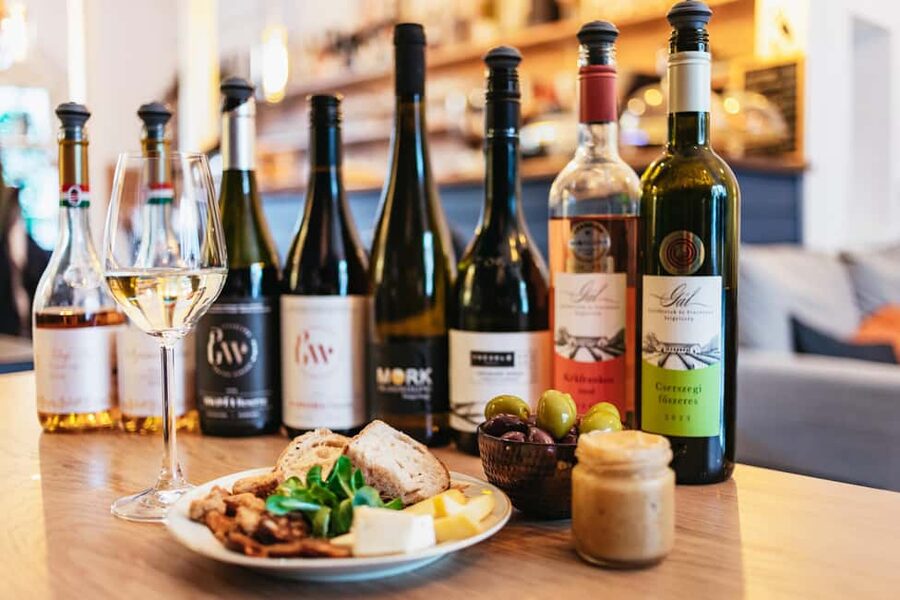
The tasting includes a broad selection from larger producers and smaller, less familiar makers. The supplied details describe seven wines, while the experience title promises eight, and several sessions included eight pours. I would confirm the final count when booking, but either way, the purpose is variety rather than one long look at a single vineyard.
The first part focuses on Hungarian wine regions and geography. A map is provided, which helps you connect each wine to a place. That simple visual guide is useful because Hungary’s wine areas can otherwise blur together after a few glasses.
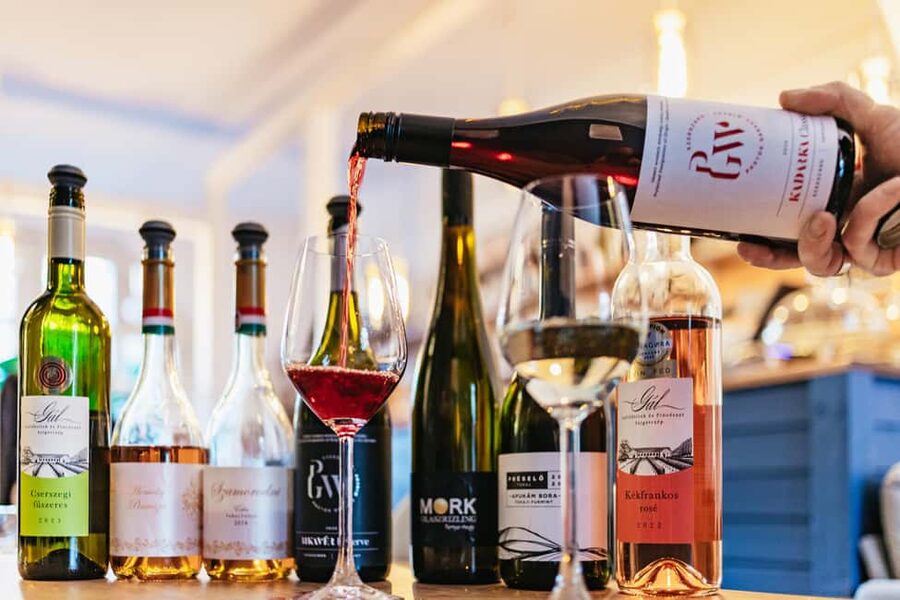
You taste whites made from cserszegi fűszeres, a grape with a name that is not exactly designed for casual conversation. It is sometimes called the unpronounceable grape in the experience description. Learning the local name is part of the fun, and the tasting gives you a chance to compare several wines made from it rather than judging one bottle in isolation.
The program also introduces furmint, described here as Hungary’s best-known grape, along with red wines such as kadarka and Bull’s Blood. The supplied description groups furmint with the red tasting portion, so you should treat the session as a broad exploration of Hungarian styles rather than a strict white-versus-red lesson. The exact lineup can vary.
That variety is one of the strongest reasons to book. You can compare crisp whites, fruity rosés, nutty reds, and other styles in one sitting. You may discover a bottle you would never have selected from a wine list simply because the grape name or region was unfamiliar.
Local food makes the tasting feel like dinner
The food is not an afterthought. Small plates include olives, ham, sausages, tomatoes, and several types of cheese, all sourced from farms just outside Budapest. The selection gives the tasting a distinctly Hungarian feel and helps keep the evening from becoming a parade of empty glasses.
The portions are described as tapas, so I would not book this as a full dinner replacement if you arrive very hungry. Still, the combination of cured meat, cheese, and other savory bites should make the two-hour session more comfortable and give you a practical lesson in pairing.
Some of the farm products are memorable enough that you may want to buy them afterward. One participant purchased smoked cheese and seasoned lard, along with several bottles of wine. That detail says something useful about the format: you are not just shown products for display. You get to taste items that may be available to take home.
The food also gives the guide another way to explain local habits. Wine becomes part of Hungarian daily life rather than an isolated subject. You taste, talk, and snack at the same table, which is a better way to understand food culture than a list of facts.
The guide is the heart of the experience
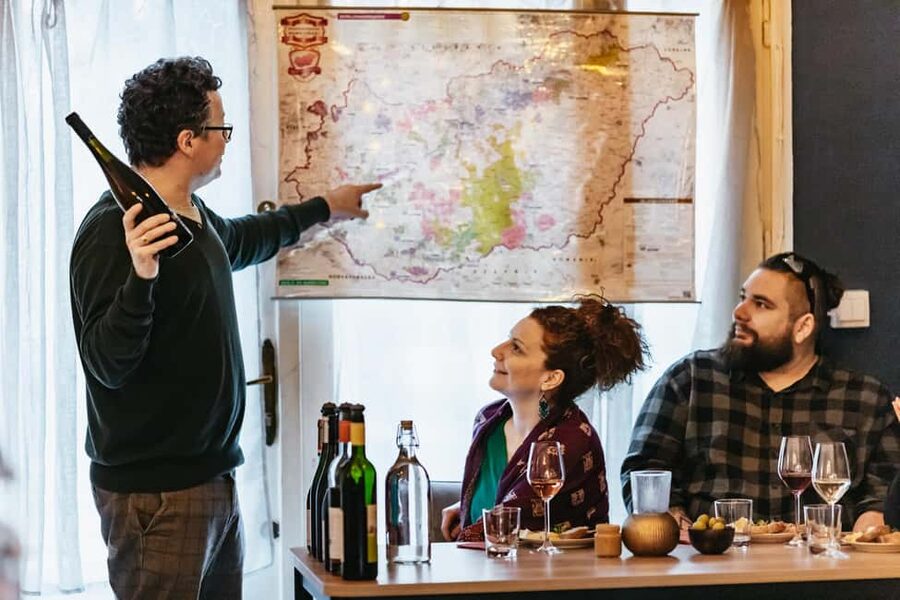
Wine tastings depend heavily on the person leading them. Here, the guide appears to make the difference between a pleasant sampling and a memorable evening.
Miki is repeatedly praised for his energy, humor, and ability to explain wine without making the subject feel stiff. He covers grape varieties, cultivation, production, regional differences, and the history of wine in Hungary. He also uses stories and anecdotes, so you are not left listening to technical terms without context.
His teaching style suits beginners particularly well. You learn how to taste, how whites and reds behave differently, and what to look for in the glass. You also get answers to ordinary questions, which can be more helpful than a polished speech.
The experience is not dependent on Miki alone. Bianca and Luca have also hosted sessions, and both received strong praise for their warmth and command of the subject. If you book on a date led by another guide, the focus should remain the same: Hungarian wine, regional explanation, and food pairing.
A useful feature is the social setup. The group can include couples, solo participants, and people from several countries. One solo participant was paired with a couple and found the evening comfortable. Another session had just one person, yet the host kept it engaging rather than making it feel like a canceled group tour.
That makes this a good choice if you are traveling alone, though the social side will naturally vary with the group on your date.
A few more tapas tours around the world worth a look
- Montserrat with Black Madonna & Medieval Winery with Tapas/Lunch
★ 5.0 · 5,209 reviews - Barcelona: Montserrat and Winery Tour with Tapas or Lunch
★ 4.8 · 4,695 reviews - Barcelona: Tapas Walking Tour with Food, Wine, and History
★ 4.8 · 4,261 reviews - Madrid Tapas & Wine Tasting Walking Tour – Small Group Local Bars
★ 5.0 · 3,644 reviews
A central wine bar, not a countryside vineyard trip
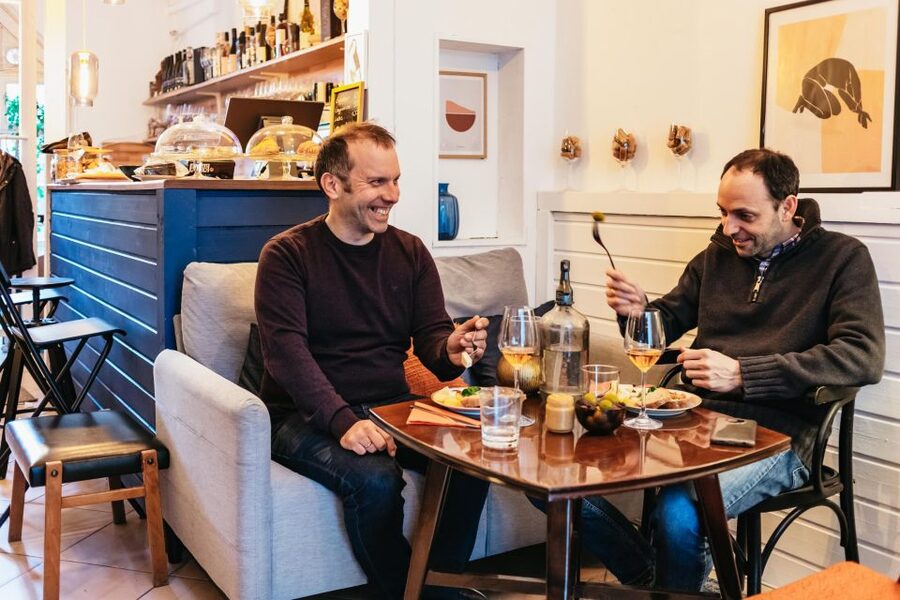
You meet at Wine the Gap in central Budapest, so there is no hotel pickup and no drive out to a rural winery. This is both a strength and a limitation.
The strength is convenience. You can fit the tasting into a city break without giving up most of a day. There is no bus ride, no distant cellar, and no need to arrange transport back to Budapest after drinking wine. The experience lasts about two hours, leaving you free to continue your evening.
The limitation is that you will not see vineyards, winery equipment, or the countryside where the grapes are grown. If your main goal is a day among vines, this is not the right format. Instead, think of it as a Budapest introduction that can help you choose a later winery visit or bottle.
The wine bar itself is described as cozy and charming. One person continued drinking there after the tasting because the prices were appealing. That option adds value if you want to stay for another glass, though any extra drinks are not included in the $68 price.
Some sessions have also taken place outdoors when the weather was good. Do not assume that will happen, since the meeting point remains the wine bar and the format may change with conditions.
What the $68 price really includes
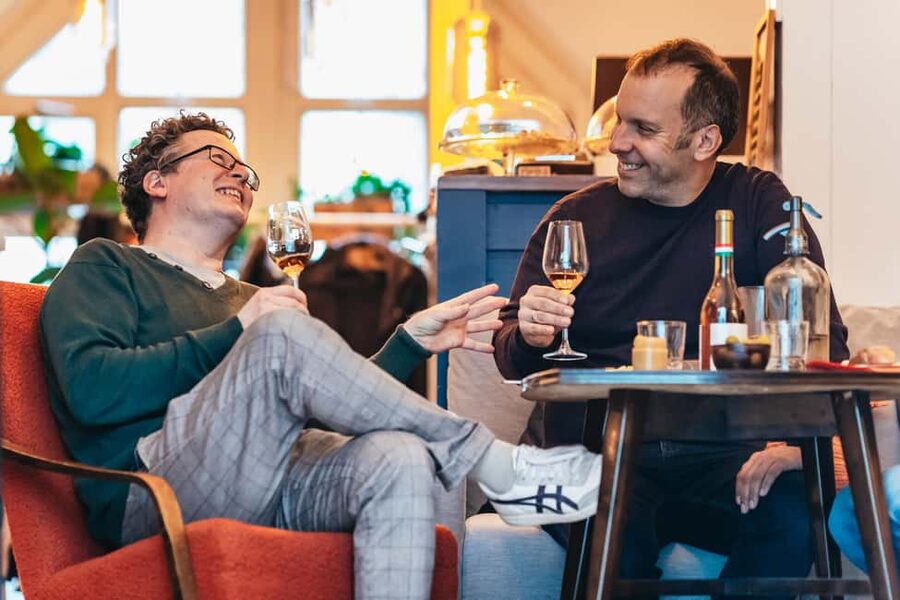
At $68 per person, this is not the cheapest way to drink wine in Budapest. A casual glass or two at a wine bar will cost much less. The value comes from the guided structure and the number of included elements.
Your price covers:
- A two-hour guided tasting
- Seven wine tastings according to the detailed inclusions, with the title and some sessions indicating eight
- Tapas made with local products
- Bottled water
- Tasting notes
- A map of Hungarian wine regions
- An English-speaking live guide
That is a solid package for someone who wants instruction rather than just alcohol. You are paying for the guide’s selection, explanation, and local knowledge, as well as the food and printed material.
The value is strongest if you are curious about Hungarian wine but do not know where to start. It is also useful early in your trip. One couple wished they had scheduled it before a potential winery day outside Budapest, because the regional background would have helped them understand later tastings.
For serious wine collectors, the price may feel less compelling if you already know Hungarian producers and prefer private cellar visits. For most visitors, though, the two-hour format is a sensible middle ground between a casual bar stop and a full-day excursion.
Who should book this experience
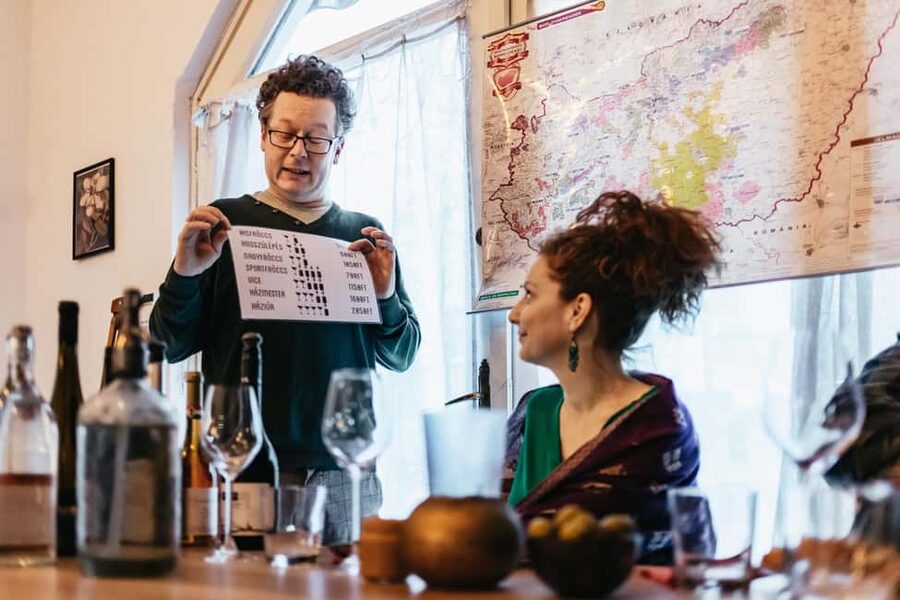
I would recommend it to adults who enjoy food, wine, and cultural explanation. It suits first-time visitors who want an activity with local character, as well as repeat visitors looking for something beyond the usual Budapest sights.
You will get the most from it if you are happy to taste several styles and ask questions. The guide is there to teach, not simply pour, so curiosity improves the experience.
It is also a strong option for:
- Solo visitors who want a social evening
- Couples seeking a relaxed Budapest activity
- Friends who enjoy sharing food and comparing wines
- Wine beginners who want a clear starting point
- Experienced drinkers who want to discover lesser-known Hungarian bottles
The activity is not suitable for children under 18 or pregnant women. The tour is offered in English, and wheelchair access is available.
One practical note: because the tasting includes several alcoholic drinks, plan your evening around it. You do not need hotel transport, but you should be comfortable making your own way to and from the central wine bar.
Small details that improve the evening
Book this early in your Budapest stay if wine is a major interest. The map and regional explanations can help you make better choices at restaurants and wine bars for the rest of your visit.
Ask your guide which bottles are available to buy. Several participants left with wine or local food products, and the tasting gives you a better basis for choosing than a quick purchase from a shop shelf.
Pay attention to the regional notes, not only your favorite glass. The point is not to crown one wine a winner. It is to understand how Hungarian producers use different grapes and styles.
Finally, check the expected number of pours. The experience is promoted with eight wines, while the detailed information says seven. That difference may reflect a changing lineup, but it is worth confirming so your expectations match the current session.
Should you book Wine the Gap?
Yes, if you want a friendly, useful introduction to Hungarian wine without leaving Budapest. The strongest parts are the engaging guides, the unusual grape selection, the map-based regional explanation, and the local tapas. The food and wine together make the $68 price easier to justify.
Skip it if you want a vineyard visit, a long countryside lunch, or a private tasting focused on one producer. For everyone else, this is a smart two-hour addition to a Budapest itinerary, especially near the beginning of your stay. You may arrive knowing little about Hungarian wine and leave with a few favorite grapes, a better sense of the country’s regions, and a short shopping list.
FAQ
Where does the Hungarian wine tasting take place?
It takes place at Wine the Gap wine bar, also called Wine the Gap Borbár és Rendezvénytér, in central Budapest.
How long does the experience last?
The tasting lasts two hours.
How many wines are included?
The experience title says eight wines, while the detailed inclusions say seven. Several sessions have included eight wines, so confirm the current lineup when booking.
What food is served?
The tasting includes tapas with items such as olives, ham, sausages, tomatoes, and different types of cheese sourced from farms outside Budapest.
Is a guide included?
Yes. An English-speaking wine expert leads the tasting and explains Hungarian wine history, grape varieties, production, and regional differences.
Is the tasting offered in English?
Yes. The listed tour language is English.
Is the experience suitable for children?
No. It is not suitable for children under 18.
Is the activity wheelchair accessible?
Yes, the experience is listed as wheelchair accessible.
Just added around the world
- Zaragoza: Midday Market and Tapas Tour★ 5.0 · 8 reviews
- Wine Tasting and local tapas delight in Cordoba★ 4.9 · 3 reviews
- Zaragoza: Wine Tasting and Tapas★ 5.0 · 15 reviews
- Winery Visit and Tasting in Elche with wines and tapas from Alicante in Van★ 5.0 · 9 reviews
- Valencia Old Town flavour walk: tapas & drinks by local★ 5.0 · 11 reviews
- Valencia: City Tour with Tapas Shore Excursion★ 5.0 · 9 reviews
- Valencia: Tapas and Sightseeing guided tour★ 4.9 · 9 reviews
- Valencia: Guided Private Bike Tour with Tapas and Drinks★ 4.6 · 2 reviews
Tapas and Wine Tours, compared.
Montserrat Half-Day Tour with Tapas and Gourmet Wines
Read our review →
Montserrat & Cogwheel Train, Gourmet Wine Tasting & Tapas/Lunch
Read our review →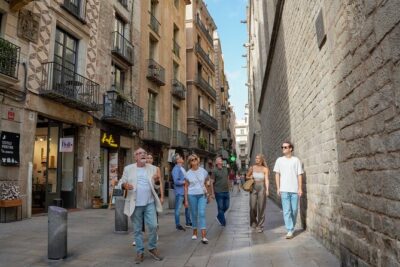
Barcelona Tapas and Wine Experience Small-Group Walking Tour
Read our review →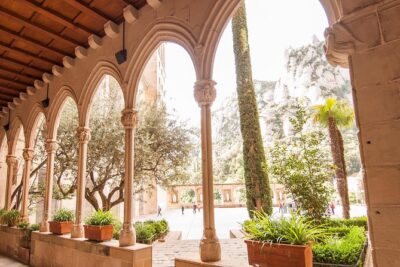
Montserrat with Black Madonna & Medieval Winery with Tapas/Lunch
Read our review →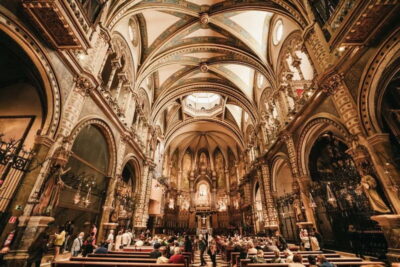
Montserrat and Winery Tour with Tapas or Lunch
Read our review →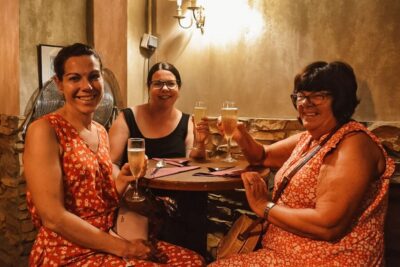
Tapas Walking Tour with Food, Wine, and History
Read our review →
Madrid Tapas & Wine Tasting Walking Tour – Small Group Local Bars
Read our review →
Sevilla Food Tour: Tapas, Wine, History & Traditions
Read our review →Browse the lists this tour appears in