
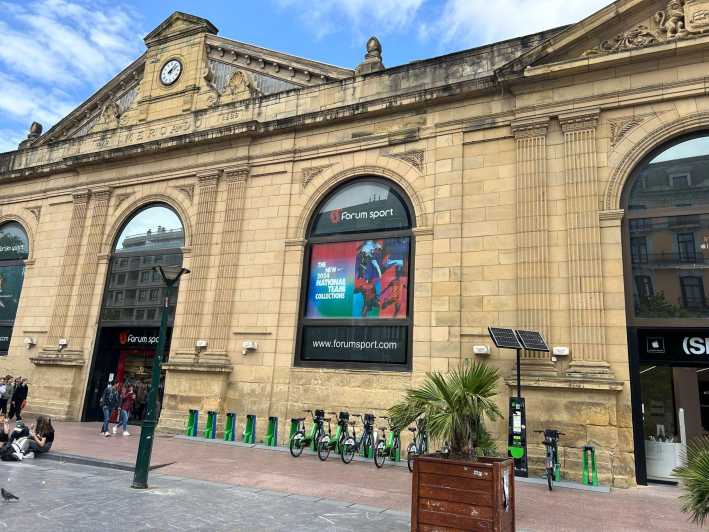
Review · SPAIN
San Sebastian Food Tour with Pintxos & Drinks with a Local
Come hungry, leave better oriented. This 3.5-hour walking meal links at least four San Sebastian bars and food stops, pairing classic pintxos with Basque drinks and a useful introduction to the city. I like the small group size, capped at 12, and the fact that the tour includes food and drinks rather than charging you separately at every stop. The possible drawback is that the menu and exact venues change with the season, and the food allowance is fixed rather than unlimited.
I also like the way the tour mixes eating with sightseeing. You move through central San Sebastian, stopping at places connected to local food culture instead of sitting in one restaurant for the whole afternoon. Guides such as Kaya, Gonzalo, and Gonzo have been praised for making the city’s past and daily life easy to understand. You should be comfortable walking, though, since this is not suitable for people with mobility impairments.
Key points to know before booking
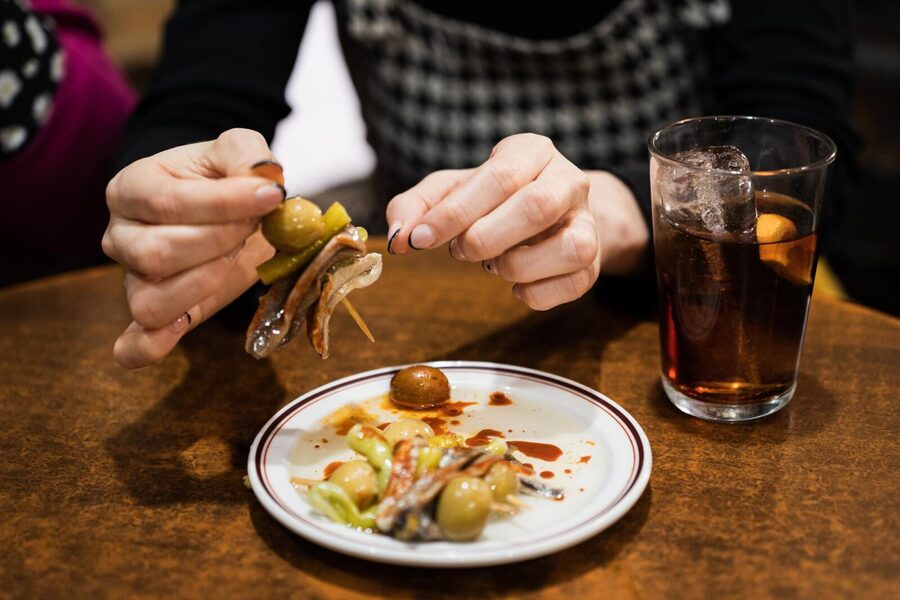
- At least four food stops: You visit several bars or locations, sampling pintxos at each one rather than ordering a full meal in one place.
- Classic Basque flavors: Possible tastings include gildas, Spanish ham, spider crab, other local tapas, Basque cheesecake, and seasonal pintxos.
- Drinks are part of the price: Expect water plus alcoholic choices such as txakoli, Rioja red wine, beer, and Basque sloe berry liquor.
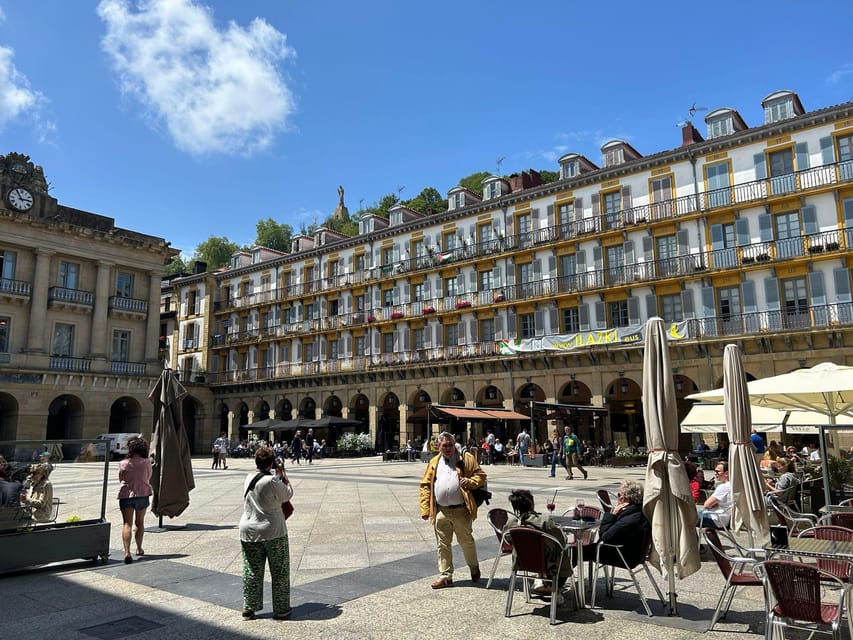
- A compact city walk: The route begins near San Sebastian Town Hall, passes Plaza de la Constitución, and finishes at the Church of San Vicente.
- Small-group format: The tour operates with at least two people and accepts no more than 12, giving you a better chance to ask questions.
- Useful local guidance: The guides explain food customs, local life, and San Sebastian’s past, while also offering ideas for meals during the rest of your stay.
Why pintxos are best understood one stop at a time
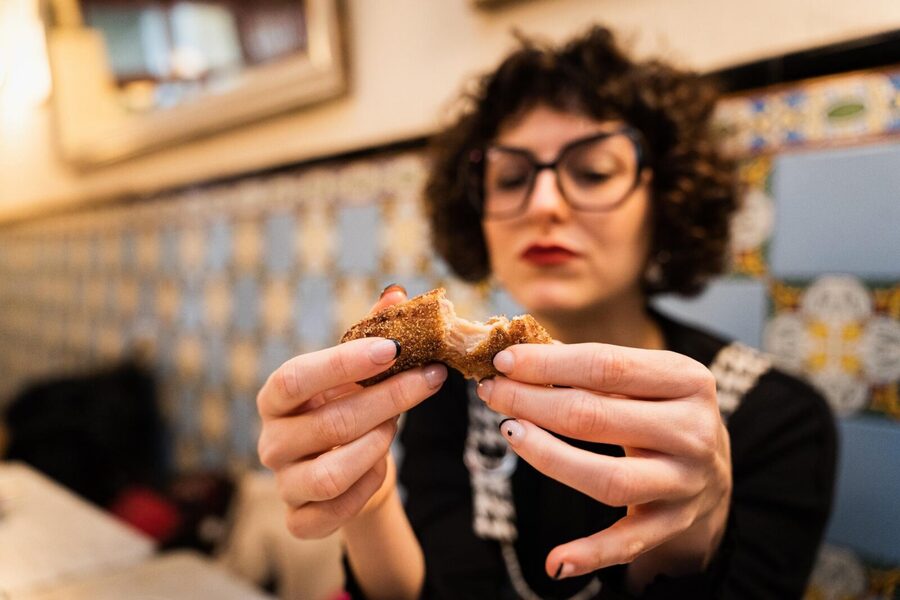
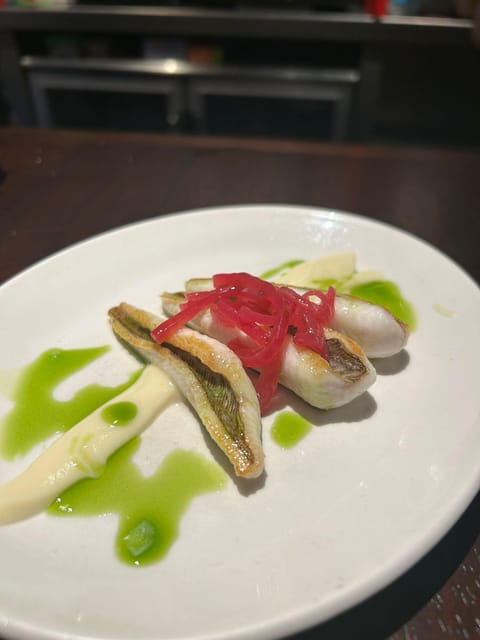
San Sebastian is known for pintxos, the small portions that make a meal feel more like a string of discoveries than a single plate. This tour uses that format well. Instead of asking you to choose from a long bar menu on your own, the guide leads you to several stops and explains what makes each bite worth trying.
That matters because pintxos can be easy to misunderstand at first. Some are simple combinations of bread, seafood, meat, or vegetables. Others are more polished creations. The tour gives you a starting point, helping you notice the difference between a traditional bite such as a gilda and a more elaborate seasonal dish.
I like the way the experience turns the Old Town into part of the meal. The streets between stops are not wasted time. They give the guide room to explain local habits, the city’s past, and how food fits into everyday life in the Basque Country.
You should not expect a fixed tasting menu. The available dishes and partner venues can change, so the exact lineup depends on the season and what is being served that day. That is a fair trade for a food walk, but anyone seeking a guaranteed list of restaurants should know this before booking.
More Pintxos Tours in Spain:
- San Sebastian Old Town Pintxos & Wine Tour Small Group Tour
★ 5.0 · 1,102 reviews - San Sebastian Pintxo Food, Wine & Market Foodie Tour(Small Group)
★ 5.0 · 621 reviews - Discover San Sebastián’s Best Pintxos on a Unique Culinary Tour
★ 5.0 · 602 reviews
Starting near Town Hall on Ijentea Kalea
The meeting point is a tobacco shop in front of San Sebastian Town Hall, at Ijentea Kalea 4. This is a practical central location for a walking tour, but you should allow time to find the exact shop and guide. The tour does not include hotel pickup or drop-off.
The experience begins with sightseeing and food rather than a long formal introduction. From the start, you can expect the guide to frame the city through both its streets and its cooking. This is useful if San Sebastian is new to you, since the route gives you early bearings in the central area.
The group size is important here. With a maximum of 12 people, the guide can usually keep the group together in busy streets and explain each tasting without turning the stop into a lecture. The tour needs at least two participants to operate, and if that minimum is not reached, the date may be rescheduled.
Wear comfortable shoes. You will be on foot for about three and a half hours, with repeated stops, standing, and movement through the city. Large bags and luggage are not allowed, and pets cannot join the tour.
Plaza de la Constitución and the city walk
Plaza de la Constitución is one of the named stops along the route. It adds an important change of pace to the food portions. You are not simply moving from bar to bar without context. The guide uses the square and nearby streets for sightseeing while keeping the meal moving.
The precise order of stops is not guaranteed, but this part of the route gives you a chance to connect San Sebastian’s public spaces with its food culture. The city sightseeing is especially useful for people who want more than a list of dishes. Several guides have been praised for explaining local life and the story of San Sebastian along the way.
I would pay attention here to the guide’s recommendations for the rest of your stay. Carmen Liliana specifically valued Gonzalo’s suggestions for future days, while other visitors appreciated how the guides brought the area to life. That is one of the practical benefits of taking this tour early in a visit: you can use the advice later when choosing your own bars and restaurants.
The food stops themselves remain the focus. At least one serving is included at each stop, along with drinks. Since the food amount is fixed, you should think of the tour as a substantial tasting route, not an all-you-can-eat event. If you have a large appetite, you may want another meal later.
Gildas, ham, and the first taste of Basque tradition
One possible tasting is the gilda, a familiar Basque pintxo made with anchovies and olives. Its flavor is direct and salty, with the sort of sharpness that works well beside a drink. A gilda is not meant to be delicate or complicated. It is a compact example of how a few strong ingredients can make a memorable bite.
Spanish ham is another possible tasting. The tour lists a ham tasting as part of its food range, giving you a chance to compare cured meat with the seafood and olive flavors found in other pintxos. The guide can also help explain how these small portions are ordered and enjoyed.
Because the menu changes, I would not book this experience only for one specific dish. Think of the named foods as a picture of what may appear, not a guarantee. Seasonal availability and partner schedules affect the final selection.
This is also where a guide can make a real difference. A dish can taste good on its own, but a short explanation of its place in Basque food culture makes it easier to remember. The strongest feedback about Kaya, Gonzalo, and Gonzo points to that combination of food knowledge, local stories, and an easy manner.
More Food Tours in Spain:
- Barcelona: Tapas Walking Tour with Food, Wine, and History
★ 4.8 · 4,261 reviews - Sevilla Food Tour: Tapas, Wine, History & Traditions
★ 5.0 · 3,468 reviews - Madrid Tapas & Taverns Small Group Food & History Tour
★ 5.0 · 2,664 reviews - Barcelona: Food Walking Tour with Tapas and Wine
★ 4.9 · 2,180 reviews
Txakoli, Rioja, beer, and Basque sloe liquor
The drink pairings are a major part of the experience. Txakoli, the traditional Basque wine listed for the tour, may be served with the pintxos. Rioja red wine, beer, water, and Basque sloe berry liquor are also possible inclusions.
You should expect the guide to choose from the available drinks rather than receive every option in large quantities. The description says food and drinks are included in a fixed amount, so this is a tasting experience with included beverages, not a free-flowing bar crawl.
Txakoli gives the tour a clear local identity. Rioja adds a familiar Spanish wine reference, while sloe berry liquor offers something different at the end or alongside a tasting. Alcohol is part of the experience, but water is included too. If you do not drink alcohol, check the current arrangements before booking, since the stated drink package focuses on alcoholic choices plus water.
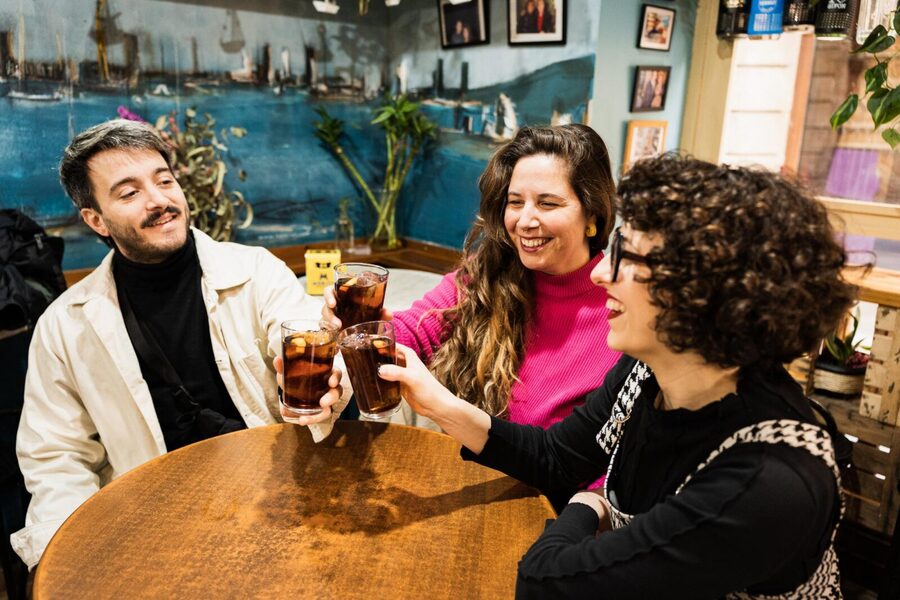
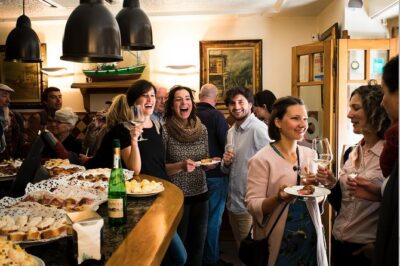
The drink stops also help pace the walk. A little time at each location lets you taste, listen, and ask questions before heading to the next address. Several people have valued the social side of the tour, including one group from Ireland that ended up sharing the route with visitors from New Zealand. The small group can make this feel more like a shared evening out than a formal class.
Seafood, seasonal pintxos, and Basque cheesecake
Spider crab is among the possible seafood tastings, along with other local tapas. This gives the food route more range than a series of ham and cheese bites. Seafood is a natural fit for a coastal city, though the exact preparation is not specified and may vary.
You might also receive original or seasonal pintxos chosen by the food partners. That uncertainty can be a strength if you like trying what is good that day. It is less convenient if you have strict dietary needs or want a precise menu in advance.
The tour finishes its food progression with Basque cheesecake as a possible dessert. This is a useful final note because it shifts the focus from salty snacks and wine to a soft, sweet specialty associated with the region. Do not count on it as a guaranteed dessert, but it is clearly one of the intended highlights.
I would tell you to pace yourself. With at least four stops and at least one serving at each, the food adds up. The drinks add up too, especially if several alcoholic tastings are offered. A relaxed approach will serve you better than trying to rush through each plate.
What the guides add beyond the food
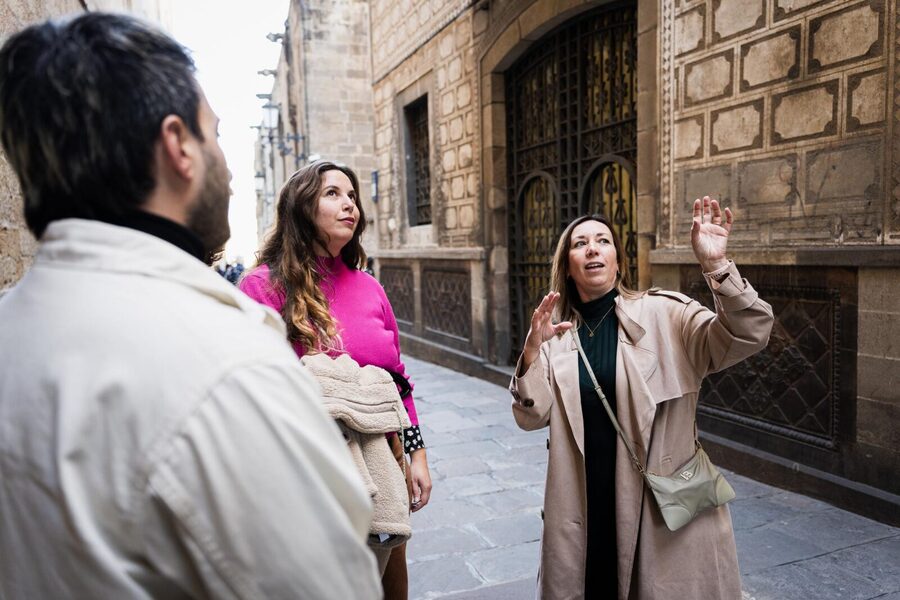
The guide is not just there to point at the next bar. The strongest comments about this experience focus on the human side of the tour. Kaya was singled out for making the outing enjoyable, while Gonzalo and Gonzo were praised for passion, local knowledge, humor, and useful suggestions.
The guide may speak in both English and Spanish during the tour. That can be helpful for a mixed group, but it also means the presentation may move between languages. If you need every explanation in English, ask about the language arrangement when booking.
The history and local-life material gives the walking route more value. You learn how to read the streets, understand what you are eating, and make better choices later. I especially like that the tour can help you get oriented without turning into a long museum-style talk.
The guide’s personality will still shape your experience. Food tours are social by nature, and the tone may depend on the group. The limit of 12 keeps things manageable, but it cannot guarantee a private or quiet outing.
Is $105 a fair price?
At $105 per person, this is not a cheap way to grab a few snacks. It is a paid introduction to San Sebastian’s food scene that includes three and a half hours of guiding, at least four tasting locations, food at every stop, and drinks.
The value makes more sense if you want help choosing what to eat. You are paying for the route, the explanations, the local recommendations, and the chance to try several specialties without making each ordering decision yourself. The cost also covers the social convenience of joining a small group.
The fixed food and drink amount is the main limitation. You should not assume that every possible dish and beverage listed will be served, or that the included portions will replace every meal that day. The tour is best treated as a generous tasting session, with room in your schedule for a later meal if needed.
For someone new to San Sebastian, the price can be reasonable if the tour prevents several poor food choices and gives you confidence for the rest of your stay. For an experienced pintxos fan who already knows the Old Town well, the value depends more on the guide and the specific stops.
Who will enjoy this tour most?
I would recommend it to first-time visitors who want a friendly introduction to San Sebastian’s food customs and central streets. It also suits people who prefer a planned food route over standing at a bar and guessing what to order.
It is a good choice for couples, friends, and solo visitors who enjoy meeting a small group. The feedback from groups from Ireland and New Zealand suggests that the social setting can become part of the fun.
You should think twice if you have limited mobility, dislike walking, cannot carry on a three-and-a-half-hour route, or need a guaranteed menu. The tour is not suitable for people with mobility impairments, and large bags are not permitted.
If you have food allergies or dietary restrictions, ask for current details before reserving. The supplied information lists seafood, anchovies, ham, dairy-based cheesecake, wine, beer, and liquor, but it does not give a substitute menu.
Practical tips for a smoother afternoon
Book this near the beginning of your stay if you want recommendations for later meals. The guides have offered advice about where to eat during the following days, and the route can help you understand the city before exploring on your own.
Arrive at the tobacco shop in front of Town Hall with comfortable shoes and without luggage. The tour is central, so hotel pickup is not part of the plan.
Keep an open mind about the menu. The named tastings include gildas, ham, spider crab, local tapas, Basque cheesecake, txakoli, Rioja, beer, and sloe liquor, but the season and partner availability decide what appears.
Finally, pace your drinking. Water is included, and using it will make the walking and tasting more comfortable.
Should you book this San Sebastian food tour?
I would book it if you want a guided introduction to pintxos, local drinks, and San Sebastian’s central streets in one outing. The mix of at least four stops, included tastings, and strong guide feedback gives the experience real value for a first visit.
I would skip it if you want a fixed restaurant list, unlimited food, or a private tour. The menu changes, the food and drinks come in a fixed amount, and the group may include English and Spanish speakers.
For most curious eaters, this is a practical way to get started. You taste the local staples, learn how the city fits together, and leave with better ideas for the rest of your meals.
FAQ
How long does the San Sebastian food tour last?
The tour lasts about 3.5 hours.
Where does the tour begin?
It begins at a tobacco shop in front of San Sebastian Town Hall, at Ijentea Kalea 4.
Where does the tour finish?
The route finishes at the Church of San Vicente.
How many food stops are included?
You visit at least four different restaurants or locations, with at least one serving of food included at each stop.
Are drinks included in the price?
Yes. Food and drinks are included in a fixed amount. Possible drinks include water, txakoli, Rioja red wine, beer, and Basque sloe berry liquor.
What languages are available?
The tour is offered in English and Spanish. The guide may speak both languages during the experience.
Just added around Spain
- Zaragoza: Midday Market and Tapas Tour★ 5.0 · 8 reviews
- Wine Tasting and local tapas delight in Cordoba★ 4.9 · 3 reviews
- Zaragoza: Wine Tasting and Tapas★ 5.0 · 15 reviews
- Winery Visit and Tasting in Elche with wines and tapas from Alicante in Van★ 5.0 · 9 reviews
- Valencia Old Town flavour walk: tapas & drinks by local★ 5.0 · 11 reviews
- Valencia: City Tour with Tapas Shore Excursion★ 5.0 · 9 reviews
- Valencia: Tapas and Sightseeing guided tour★ 4.9 · 9 reviews
- Valencia: Guided Private Bike Tour with Tapas and Drinks★ 4.6 · 2 reviews
Pintxos Tours, compared.
San Sebastian Old Town Pintxos & Wine Tour Small Group Tour
Read our review →
San Sebastian Pintxo Food, Wine & Market Foodie Tour(Small Group)
Read our review →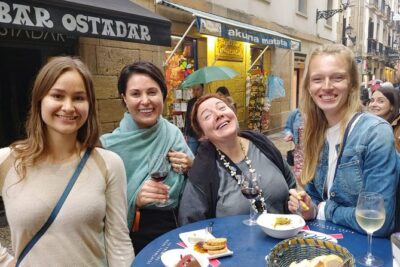
Discover San Sebastián’s Best Pintxos on a Unique Culinary Tour
Read our review →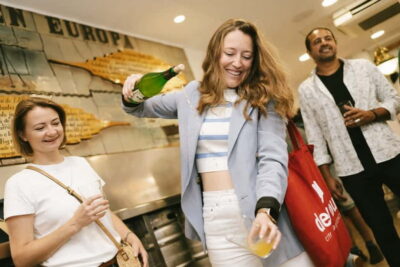
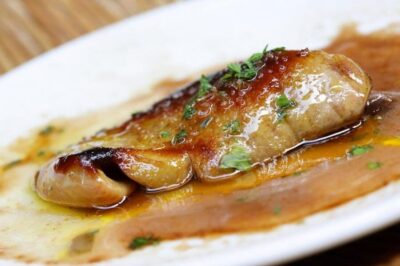
San Sebastian Food Tour: Pintxo Tasting Paired with Wines
Read our review →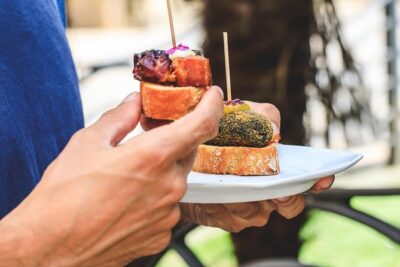
The Authentic Bilbao Pintxos, Food & Wine Tour with a Local
Read our review →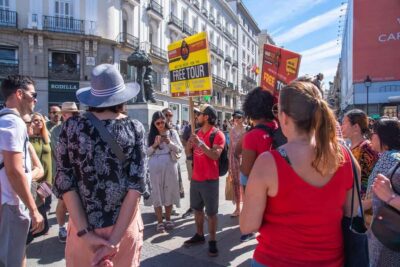
Browse the lists this tour appears in