Review · SPAIN
Santiago: Guided Foodie Tour with Drinks, Tapas & Live Music
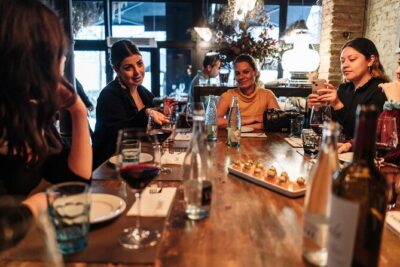
Come hungry, leave with better bar instincts. This Santiago food tour pairs three local bars with Galician tapas, drinks, stories, and music, giving you a friendly way to get beyond the main square. I especially like the small groups of up to eight and guide Alex’s warm, personal approach. I also like that the tour brings together food, the Camino de Santiago, local customs, and tucked-away corners of the old town instead of treating tapas as a simple eating stop.
The main consideration is that the exact experience can change by day. Monday is not the best choice if live music matters to you, and the market visit is offered around midday rather than on every tour. The music stop can also be optional or require you to buy an extra drink, so check the schedule before booking.
Key things to know before you book
- Three bars, three drinks, and tapas: You stop at three local places, with a drink and food included at each stop.
- A small group by design: The maximum group size is eight, which makes conversation with Alex and the other participants much easier.
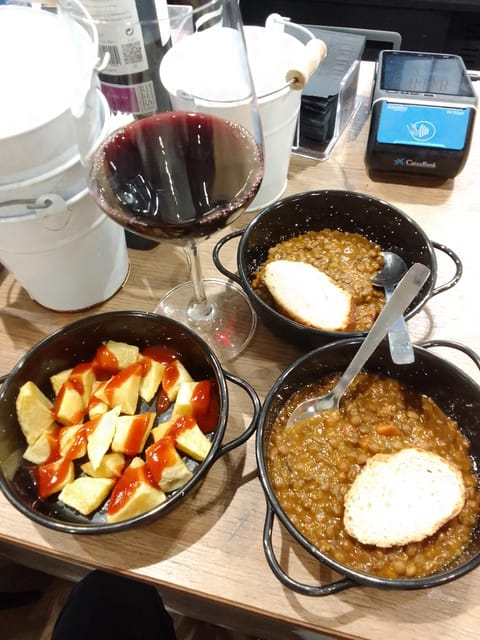
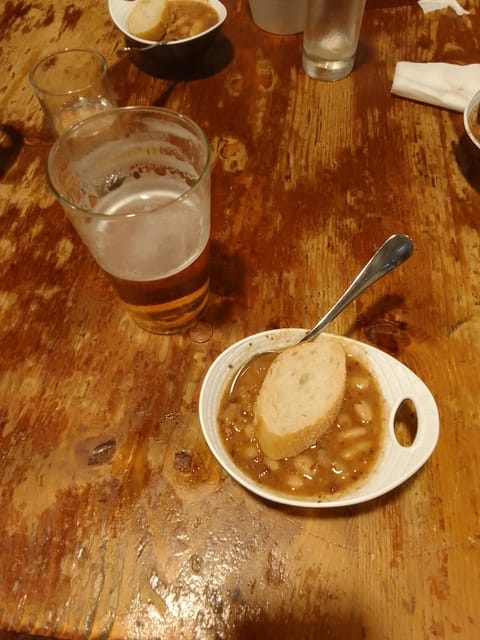
- Galician flavors: Expect possible servings such as tortilla, mussels, seafood rice, chorizo, cheese, Padrón peppers, chickpea stew, lentils, or soup with seafood.
- Live music depends on the day: Evening tours generally include music from Tuesday through Sunday, with a special Galician music event on some Wednesdays.
- More than a food crawl: Alex talks about Galician culture, wine, Santiago, the Camino, and local legends as you walk.
- Good value at $47: Three drinks, three tapas, a guide, and a small-group introduction to Santiago’s food scene make the price fair, especially early in your stay.
Starting at Cervantes Square
The tour begins at Praza de Cervantes, by the fountain, unless your chosen option gives a different meeting point. This is a useful place to start because you are already in Santiago’s old center, close to the streets where much of the evening unfolds.
You will meet Alex, who has led the experience in English, Spanish, and French. His style, based on the tour’s feedback, is friendly and conversational rather than lecture-heavy. He talks about food and wine, but also brings in his personal enthusiasm for Santiago and the Camino de Santiago.
That balance matters. A food tour can easily become a list of dishes and restaurant names. Here, you get context about how people eat, what makes Galician food different, and how the city’s pilgrimage culture shapes its bars and social life.
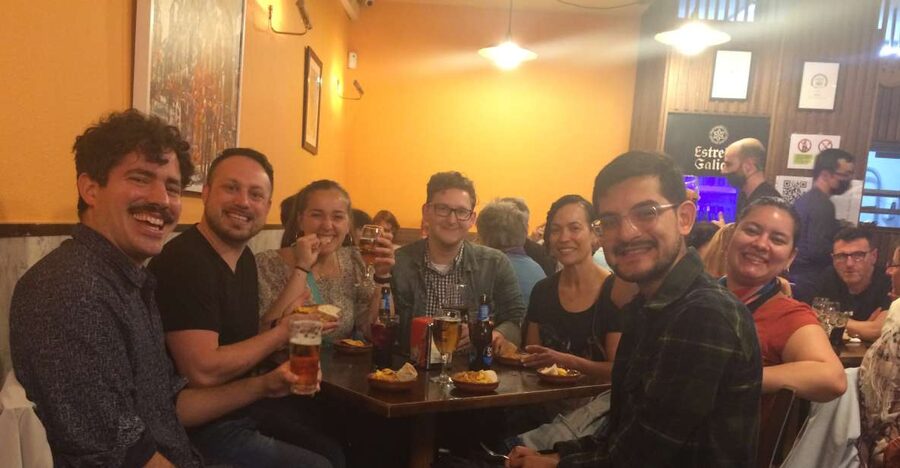
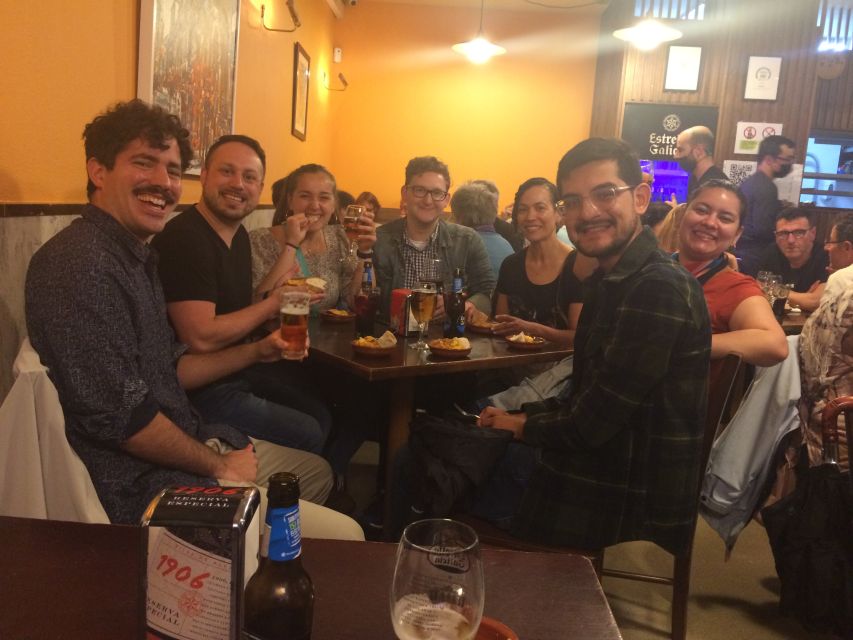
The group limit of eight is one of the strongest features. You can ask about a dish, get advice about ordering later, or talk with people from other countries without having to shout across a large crowd. Several participants have also joined alone and found the format comfortable, which is useful if you are visiting Santiago on your own.
More Food Tours in Spain:
- Barcelona: Tapas Walking Tour with Food, Wine, and History
★ 4.8 · 4,261 reviews - Sevilla Food Tour: Tapas, Wine, History & Traditions
★ 5.0 · 3,468 reviews - Madrid Tapas & Taverns Small Group Food & History Tour
★ 5.0 · 2,664 reviews
Three local bars, three different stops
The main part of the tour moves through three bars. You receive one drink and one tapa at each stop, creating a simple rhythm: walk, eat, talk, and move on before the meal becomes too heavy.
The bars are selected for a local feel rather than for a formal restaurant setting. You might visit places you would otherwise pass without noticing. That is a real benefit in Santiago, where streets in the old town can look similar to first-time eyes and the best stop is not always the one with the most obvious sign.
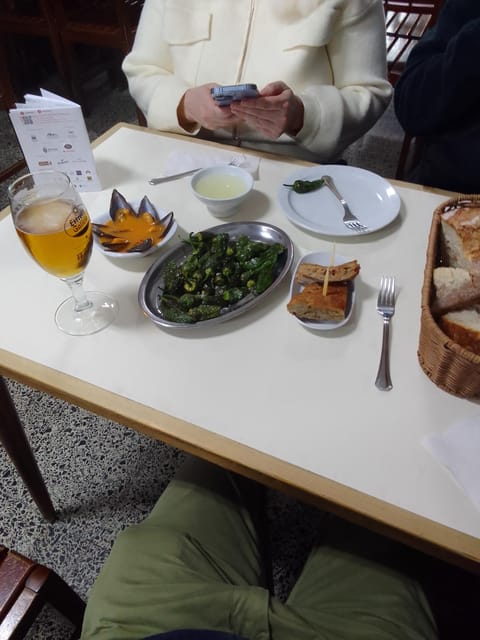
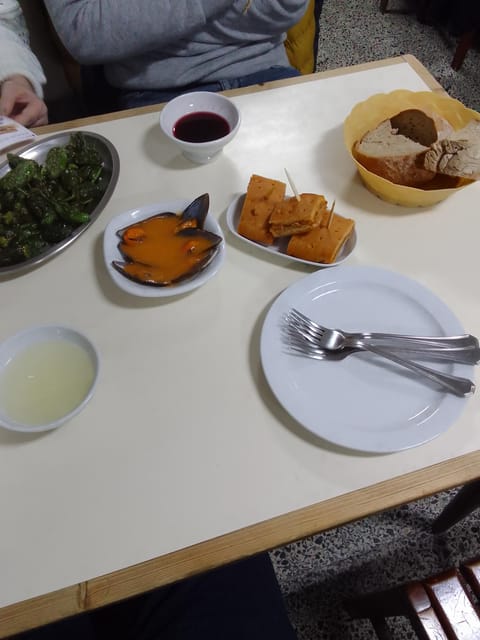
At the first bar, Alex introduces the basic idea of ordering in Galicia and helps explain the food placed in front of you. Depending on the day and the kitchen, your tapa may be tortilla, chorizo, cheese, Padrón peppers, or another regional dish.
The second stop adds another taste and another drink. Possible choices include mussels, seafood soup, chickpea stew, lentils, or rice with seafood. The menu is not presented as a fixed tasting list, so you should expect some variation. That is normal in a bar-based tour, where the available food depends on the day.
The third bar completes the included tasting. There may be a seafood dish, a meat dish, or another classic tapa. The portions are described as generous enough to make the tour feel like a substantial snack or light meal, but you should not think of it as a full multi-course dinner.
This is also where Alex’s drink advice becomes useful. The included choices can include local wine, beer, soft drinks, water, sparkling water, cola, or orange soda. Depending on the arrangement, the drink program can also involve liqueur or vermouth. You may not receive every drink named in the general description, so ask what is planned on your date.
Galician food without the restaurant formality
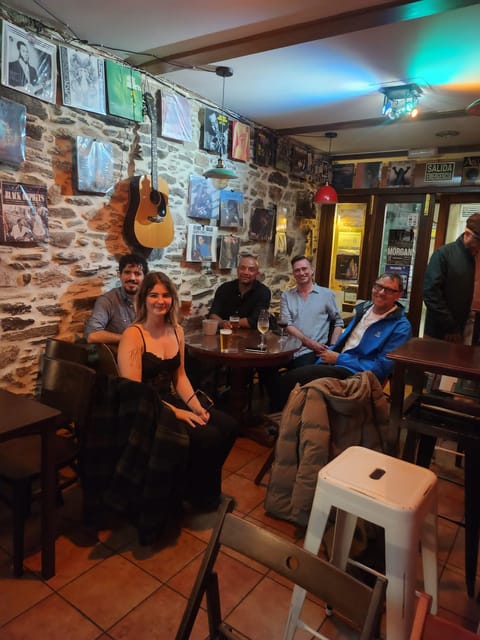
Galicia is often associated with seafood, but this tour gives you a wider picture. Mussels and seafood rice may appear alongside tortilla, chorizo, cheese, peppers, stews, and lentils. That mix is valuable because it shows how local eating moves between the sea, the farm, the market, and the neighborhood bar.
Padrón peppers are a good example of why a guide helps. Their small size makes them easy to overlook, but they are a familiar Galician food and part of the pleasure of eating here. The same goes for tortilla, which looks simple until you start comparing versions from one bar to another.
Wine is another strong part of the experience. Alex explains local wines and helps you read a wine menu, a small skill that can save you from ordering blindly later. If you like wine, ask questions about the pairing at each stop rather than simply accepting the glass and moving on.
The tour also includes a liqueur tasting in a traditional shop. This gives the drinks section a change of pace and lets you try something beyond beer and table wine. Vermouth may also feature, depending on the route and day.
You should tell the guide about any dietary needs before you begin, but the supplied information does not promise a particular allergy, vegetarian, or gluten-free arrangement. Since the dishes can change, it is sensible to ask what is being served at each stop.
The market option and the daytime route
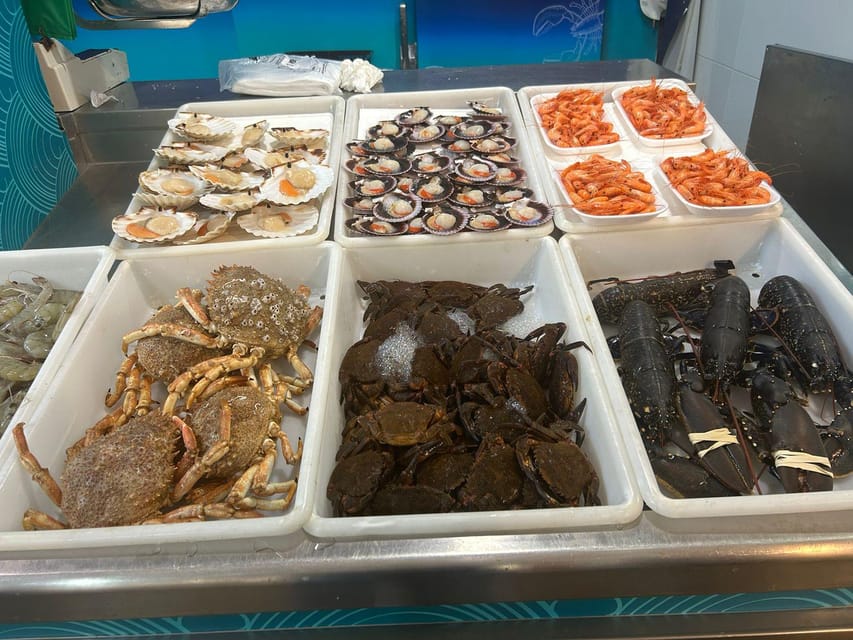
A market visit is offered around midday from Monday through Saturday. It is not necessarily part of every departure, so check the time when you book.
The market adds a useful layer to the food experience. Instead of only tasting finished dishes, you get a chance to connect the tapas with the ingredients sold in Santiago. The visit is not described as a long market lesson, so you should see it as an introduction rather than a full guided food-market tour.
The daytime version may be the better fit if you want food and city orientation without staying out late. It also suits you if live music is not a priority or if you prefer to leave your evening free.
Past participants have found the tour useful early in a Santiago stay because Alex can suggest places to eat and things to do afterward. I agree with that timing. A food walk near the beginning of your visit can help you recognize local dishes and feel less hesitant when you later order on your own.
More Concerts in Spain:
- Alicante:Evening Spanish Tapas Cooking Class with Live Music
★ 4.6 · 3 reviews
Live music and the evening atmosphere
The evening route adds music after the food stops. Live music is generally offered Tuesday through Sunday, with a special Galician music event on some Wednesdays. The exact venue and performance can change, so do not treat it as a guaranteed concert by a particular band.
The final music stop may be an open-mic setting or a small local venue. At times, the music is free, but you may need to purchase your own drink after the included tour drinks have been used. That extra cost is modest in practical terms, but it is worth knowing before you arrive.
The atmosphere can also be different from a normal bar. One account of the experience describes a venue where people were expected to listen quietly rather than chat during the performance. If you want a social night centered on conversation, this might feel restrictive. If you enjoy hearing local performers without a loud room competing with them, it can be a welcome change.
There is also a practical group dynamic to consider. A large or noisy group may not fit every music venue. Alex has sometimes had to skip or adjust the music stop when the group was too loud for the setting. That is not a flaw in the idea, but it shows that the final part depends on the venue and the group’s behavior.
Stories about Santiago and the Camino
Alex’s role is not limited to carrying you from bar to bar. He talks about Santiago, Galician customs, food traditions, legends, and the Camino de Santiago.
The walking portions are not a formal sightseeing tour, but they add useful orientation. You may pass small streets and places you would not have chosen on your own, with short explanations along the way. The result is a better sense of how the old center works as a living neighborhood rather than just a backdrop for the cathedral.
Some tours have included details such as a chestnut stop or the pilgrim’s shadow near the end. These touches are not presented as fixed parts of every departure, so think of them as possible extras rather than promises.
The best part of the commentary is its scale. You get stories and local background without spending the whole evening standing still while someone recites dates. Alex has been praised for keeping the information interesting and for answering questions without making the tour feel like a classroom.
Is $47 a fair price?
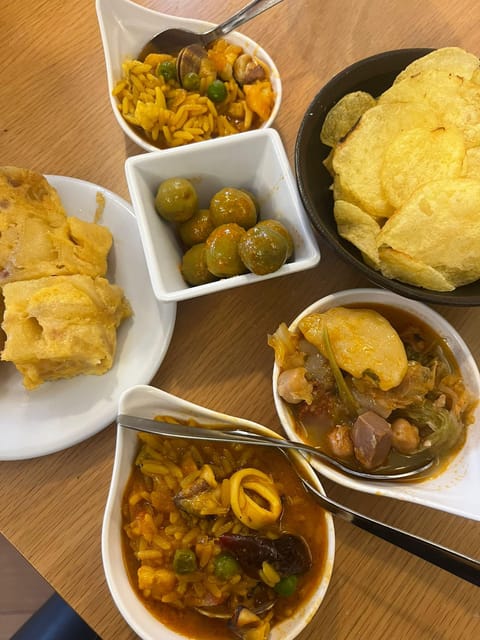
At $47 per person, the price is reasonable if you make full use of what is included. You receive three drinks, three tapas, a guide, the walking route, and access to a small group. Buying three drinks and several substantial bar snacks separately could approach that amount, especially in the center of Santiago.
The value is not only in the food. You are paying for help finding local bars, explanations of Galician wine, a social evening, and the chance to hear about places you might not discover alone. The live music adds further value when it is available and included without a performance charge.
Still, I would not book this solely as a bargain meal. The food is served in bars, portions and dishes can vary, and the music stop may require an extra drink. If you want a carefully matched tasting menu or a specialist wine seminar, this is not that kind of experience.
For most people, it works best as a light dinner or generous evening snack. You can always eat more afterward if needed, though many people will find the three stops sufficient.
Timing, group size, and practical planning
The usual route lasts about two and a half hours, while the booking system lists departures ranging from two and a half hours to a full day depending on the option. Check the specific time before you reserve, especially if you want the market visit or live music.
The meeting point can vary by booking option, even though Praza de Cervantes is the main starting location. Confirm the final meeting instructions and arrive near the fountain with enough time to find the group.
The tour returns to Praza de Cervantes or another listed drop-off point in the square. You will be walking between bars, so comfortable shoes are sensible. The activity stays in Santiago’s central area, but the route includes streets and stops rather than a single seated venue.
Cancellation is free up to 24 hours before the start, and you can reserve while paying later. That flexibility is useful when your Santiago plans depend on Camino timing, train schedules, or changing weather.
Who will enjoy this tour most?
I would recommend it to you if you want a friendly introduction to Galician food without spending an entire day on a formal culinary program. It is especially well suited to solo visitors, couples, and small groups who like meeting other people over drinks.
You will get the most from it if you enjoy trying unfamiliar dishes and are happy with a changing menu. The tour is also a good match if you want local wine advice, a few cultural stories, and a night that combines food with music.
It may not suit you if you need a fixed menu, dislike walking between venues, or want an in-depth market visit. It is also less suitable on Monday if live music is central to your plans.
Should you book the Santiago tapas tour?
I would book this tour early in a Santiago visit, preferably Tuesday through Saturday if the music matters to you. The small group, three included stops, local drinks, and Alex’s personal approach give you a useful and enjoyable introduction for $47.
Choose the daytime option for the market and city orientation. Choose the evening option for the best chance of live music. Just remember that the food, bar selection, and final music venue can change, and the most memorable part may be the conversation and local advice rather than one specific dish.
If you want to feel more at ease ordering in Santiago, find bars you might miss, and learn how Galician food fits into the city’s daily life, this is a strong choice.
FAQ
Where does the tour start?
The main meeting point is Praza de Cervantes, next to the fountain. The meeting point can vary depending on the option booked.
How long does the experience last?
The standard food route is about two and a half hours. The booking information also lists options ranging from two and a half hours to one day, so check the available departure details for your chosen date.
How many people are in the group?
The group is limited to eight participants.
Which languages are available?
The live guide can conduct the tour in English, Spanish, or French.
How many drinks are included?
Three drinks are included. Options can include beer, local wine, soft drinks, water, sparkling water, liqueur, or vermouth, depending on the tour arrangement.
What food is included?
Three tapas are included. Possible dishes include tortilla, mussels, seafood rice, chorizo, cheese, Padrón peppers, chickpea stew, lentils, and seafood soup.
Is live music included every day?
Live music is advertised from Tuesday through Sunday, with a special Galician music event on some Wednesdays. It is not offered on Monday according to the activity details.
Can I cancel the booking?
You can cancel up to 24 hours before the experience for a full refund. You can also reserve now and pay later.
Just added around Spain
- Zaragoza: Midday Market and Tapas Tour★ 5.0 · 8 reviews
- Wine Tasting and local tapas delight in Cordoba★ 4.9 · 3 reviews
- Zaragoza: Wine Tasting and Tapas★ 5.0 · 15 reviews
- Winery Visit and Tasting in Elche with wines and tapas from Alicante in Van★ 5.0 · 9 reviews
- Valencia: City Tour with Tapas Shore Excursion★ 5.0 · 9 reviews
- Valencia: Tapas and Sightseeing guided tour★ 4.9 · 9 reviews
- Valencia Old Town flavour walk: tapas & drinks by local★ 5.0 · 11 reviews
- Valencia: Guided Private Bike Tour with Tapas and Drinks★ 4.6 · 2 reviews
Guided, compared.
Madrid Tapas & Wine Tour with Rooftop Views and Local Guide
Read our review →

3 h. Guided Highlights Bike Tour with Optional Tapas
Read our review →
Authentic Flamenco Show with Tapas & Wine Guided Tour
Read our review →
Highlights Guided Vintage Bike Tour and Tapas Option
Read our review →
Royal Palace Expert Guided Tour with Optional Tapas
Read our review →