
Review · BARCELONA
Barcelona Food Tour: Tapas, Drinks and Delights with a Local
Barcelona is best understood one bite at a time. This small-group Gothic Quarter food tour combines old tapas bars, Catalan specialties, local drinks, and street-level history in about three and a half hours. I especially like the four food stops and the chance to try vermouth, cava, croquetas, anchovies, tortilla, and crema Catalana without planning a restaurant crawl yourself. The main drawback is that menus and venues can change with the season, and the guide may split time between English and Spanish.
The tour costs $65.33 per person, which is fair if you value a full meal, several drinks, and a local guide who helps you make sense of Barcelona’s narrow medieval streets. Guides such as Andrea, Ophelie, Miguel, Daiam, Dianne, and Thomas have been praised for making the walk friendly and informative. Just arrive early at Plaça de l’Àngel, since finding one another at the meeting point has caused occasional confusion.
Key points at a glance
- Four food stops in the Gothic Quarter: You eat your way through Carrer de la Mercè, Carrer del Regomir, Plaça de Sant Josep Oriol, and the area around Plaça Sant Jaume.
- A full meal, not just samples: The included food can add up to croquetas, fried anchovies, tortilla, pimientos del Padrón, sausage montaditos, tomato salad, pintxos, and dessert.
- Local drinks are part of the plan: Vermouth, wine, cava, sangria, water, and nonalcoholic choices are available, with alcohol reserved for people aged 18 and over.
- A group capped at 12 people: This keeps the stops more personal and makes it easier to ask questions.
- Useful for first-time Barcelona visits: You get food advice, neighborhood orientation, architecture, and a few ideas for where to eat later.
- Dietary planning matters: Vegetarian options are available, but severe or life-threatening food allergies cannot be accommodated.
Why this Gothic Quarter food tour works
The best feature here is the combination of eating and walking. You are not simply moved from restaurant to restaurant. The route passes through the Gothic Quarter, where narrow lanes, old squares, churches, public buildings, and small bars make the city feel close-up and human.
The food gives the walk a purpose. At each stop, the guide explains what is on your plate and how it fits into Catalan or Spanish eating habits. That context matters. Vermouth is not just a sweet, herb-flavored wine. In Catalonia, fer un vermut is a social ritual, often enjoyed before a meal with small salty bites.
The format also solves a common Barcelona problem: too many restaurants and too little time. You can spend an hour reading menus and still wonder if you chose well. Here, the guide selects several established local places, including an old tapas bar and a bakery near Plaça Sant Jaume.
The tour is limited to 12 people, though some departures may be much smaller. Several outings had only two or three participants, which made the experience feel closer to walking around with a local friend. A group of nine still leaves room for conversation, but a larger party could feel less intimate.
More Food Tours in Barcelona:
- Barcelona: Tapas Walking Tour with Food, Wine, and History
★ 4.8 · 4,261 reviews - Barcelona: Food Walking Tour with Tapas and Wine
★ 4.9 · 2,180 reviews - Barcelona Tapas Walking Tour: Food, Wine & History
★ 4.5 · 1,928 reviews
Starting near Plaça de l’Àngel
The meeting point at Plaça de l’Àngel puts you in the heart of Ciutat Vella, Barcelona’s old city. This is a busy urban location, so I would arrive a few minutes early and look carefully for the guide rather than assuming the group will be obvious.
The opening portion introduces the Gothic Quarter and sets up the food theme. You may hear about artists, architecture, Catalan customs, and the way people eat and drink in Barcelona. The walk is not designed as a full architectural tour, but guides often add useful background as the group moves between bars.
That balance is one of the tour’s strongest points. Guides Andrea, Ophelie, Miguel, Daiam, Dianne, and Thomas have each been praised for being friendly, clear, and engaged. Ophelie in particular was appreciated for sharing metro tips along with food and local history. Andrea was praised for connecting the dishes with the buildings and streets around them.
One caution: the guide may speak both English and Spanish during the tour. That can add local flavor, but it may also mean that explanations take a little longer or feel less polished for some English-only participants.
Carrer de la Mercè and the first vermouth
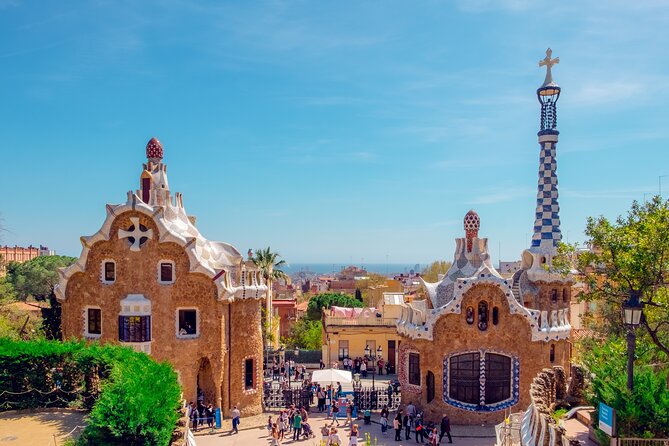
The first food stop takes place on Carrer de la Mercè, a lively Gothic Quarter street near the Basilica of La Mercè. The basilica dates from the 17th century, so even the short walk here gives you something to look at before the eating begins.
The bar is described as one of Barcelona’s oldest still-operating tapas bars. Your first drink is generally local wine, paired with several small dishes. The planned selection may include fried anchovies, tomato salad, and a sausage-topped montadito.
This is a good opening because the food is familiar but distinctly local. Fried anchovies connect the meal to Barcelona’s coastal setting. Tomato salad offers something cool and fresh, while the sausage montadito gives you the Spanish answer to a small sandwich.
The tour also introduces vermouth as part of the local routine. Vermouth is flavored with herbs and usually served as a relaxed pre-meal drink. It is sweet, aromatic, and easy to enjoy slowly. If you prefer not to drink alcohol, nonalcoholic choices are available.
Do not expect a full plate at this first stop. The portions are designed to build across several venues. By the end, however, the included food is intended to equal a complete meal.
Carrer del Regomir, pan con tomate, and cava
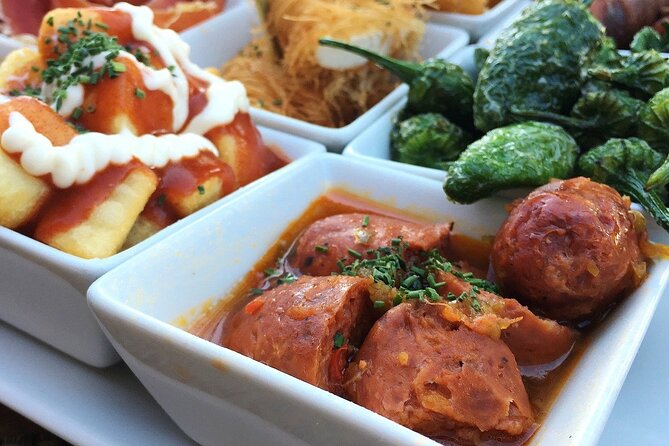
The next stop is around Carrer del Regomir, where the focus shifts to some of the most recognizable Spanish and Catalan bar foods. You may receive pan con tomate, pimientos del Padrón, and potato tortilla, accompanied by cava.
Pan con tomate is simple and effective: fresh bread spread with tomato, often finished with olive oil and seasoning. It shows how Spanish cooking can turn basic ingredients into something satisfying. The tomato should not be treated as a side detail. It is one of the clearest tastes of Catalonia on the tour.
Pimientos del Padrón are small green peppers fried in olive oil and sprinkled with salt. Their appeal is partly their simplicity. The soft peppers work well beside a drink, and they offer a break from heavier fried or egg-based dishes.
The tortilla is the familiar Spanish potato omelet, served as a starter, snack, or light meal. It is one of those dishes where texture matters. A good version is soft inside rather than dry, though the exact preparation depends on the bar.
Cava adds a festive note. It is a sparkling wine made in Spain and is often compared informally with Champagne. Pairing it with tortilla and peppers gives you a sense of how local drinks fit naturally into tapas culture.
This stop lasts about an hour, making it one of the longer pauses. That gives you time to eat without rushing, though the pace may feel slow if you prefer a quick meal. The food is shared in a social setting, so this part works best if you enjoy chatting with the guide and other people in the group.
A few more tapas tours around Barcelona worth a look
- Montserrat Half-Day Tour with Tapas and Gourmet Wines
★ 5.0 · 7,359 reviews - Montserrat & Cogwheel Train, Gourmet Wine Tasting & Tapas/Lunch
★ 5.0 · 6,290 reviews - Barcelona Tapas and Wine Experience Small-Group Walking Tour
★ 5.0 · 5,804 reviews - Montserrat with Black Madonna & Medieval Winery with Tapas/Lunch
★ 5.0 · 5,209 reviews
Plaça de Sant Josep Oriol and pintxos
Plaça de Sant Josep Oriol sits behind the Basilica of Santa Maria del Pi. It is a small square, but it can be especially pleasant on weekends, when artists may set up and paint outdoors.
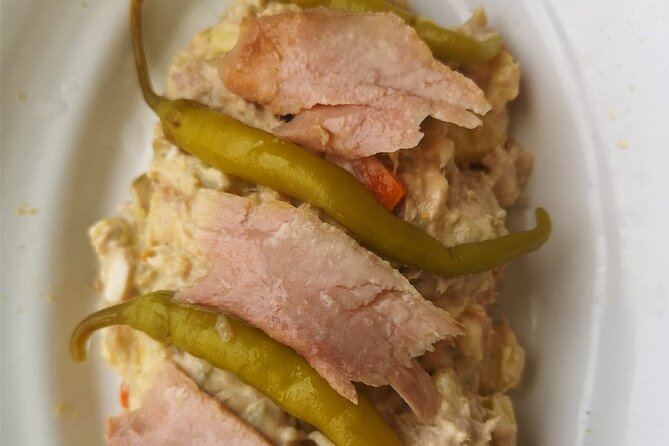
The food stop nearby features pintxos, small pieces of bread topped with various ingredients. Pintxos are related to tapas but often presented in a more arranged, bite-sized form. They are a useful way to try several flavors without ordering a large dish.
This is also one of the more atmospheric parts of the route. The square offers a pause from the tighter streets, and the nearby basilica gives the guide another chance to explain the area. If you enjoy photography, the combination of the church, square, artists, and food makes this a rewarding stretch.
The limitation is that the exact pintxos selection is not fixed. Seasonal supply and the partner venues determine what appears. That flexibility can work in your favor, since it lets the guide use what is freshest, but it also means you should not book the tour expecting every item in the sample menu.
Plaça Sant Jaume and the final sweet course
The last part of the route reaches Plaça Sant Jaume, the administrative center of Barcelona. From the outside, you can see the city hall and the headquarters of the Catalan government. The tour does not include entry to these buildings, so this is a quick exterior visit rather than a formal sightseeing stop.
The square is also home to one of Barcelona’s oldest bakery shops. At lunch departures, dessert is crema Catalana, the region’s famous custard with a soft center and crisp, caramelized top. It is similar in spirit to crème brûlée, but it has its own Catalan identity and place in local food culture.
Evening departures may finish with handmade ice cream flavored with local ingredients such as turron. Turron is a traditional Spanish nougat, usually made with nuts and honey or sugar. The ice cream gives the evening a lighter finish, especially after several savory dishes and drinks.
The timing affects the dessert. If crema Catalana is important to you, check whether you are booking a lunch tour. Dinner departures use ice cream instead. Neither option is a problem, but the distinction is worth knowing before you choose a time.
The official ending point is Carrer de Jaume I, though it may shift slightly depending on the partner venues. That places you near public transportation and the old city, making it reasonably easy to continue exploring or head back to your hotel.
What you actually eat and drink
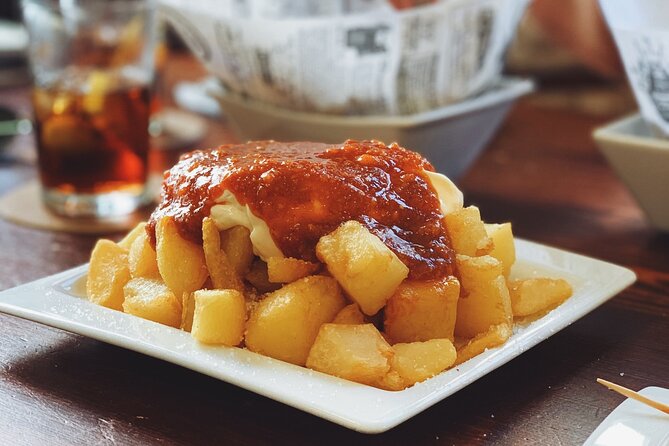
The menu is broad enough to give you a useful introduction to local bar food. The exact lineup can change, but the planned dishes include:
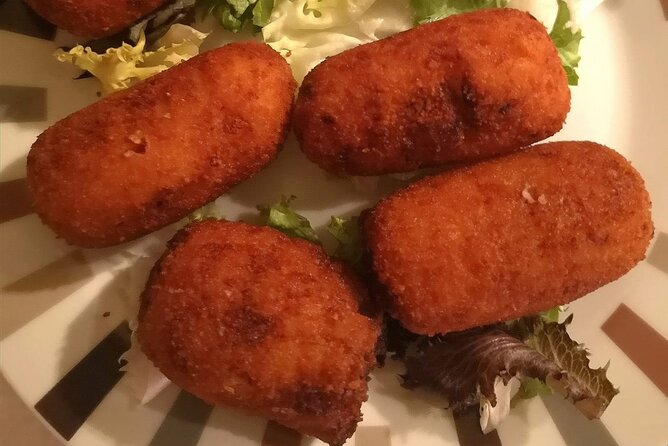
- Croquetas made with béchamel and cured ham
- Vermouth flavored with herbs
- Fried anchovies
- Spanish potato tortilla
- Sausage montaditos
- Tomato salad with onions and olives
- Pimientos del Padrón
- Crema Catalana at lunch
- Handmade ice cream at dinner
The variety is more important than any single dish. You move from creamy croquetas to crisp anchovies, fresh tomato salad, soft tortilla, salty peppers, and sweet dessert. The drinks also change the character of each stop, with wine, vermouth, cava, and possibly sangria included in fixed amounts.
Food is provided at a minimum of four stops, and the overall amount should be enough to replace a full meal. I would still avoid eating a large lunch before an afternoon departure. Arriving hungry makes the pacing work better.
Additional food and drinks are not included. Alcoholic drinks are included only for people over 18, and nonalcoholic alternatives are available. If you have a vegetarian diet, notify the provider before booking so the stops can be prepared properly.
People with severe or life-threatening food allergies cannot participate for safety reasons. That is a firm restriction, not a minor menu adjustment.
Is $65.33 a fair price?
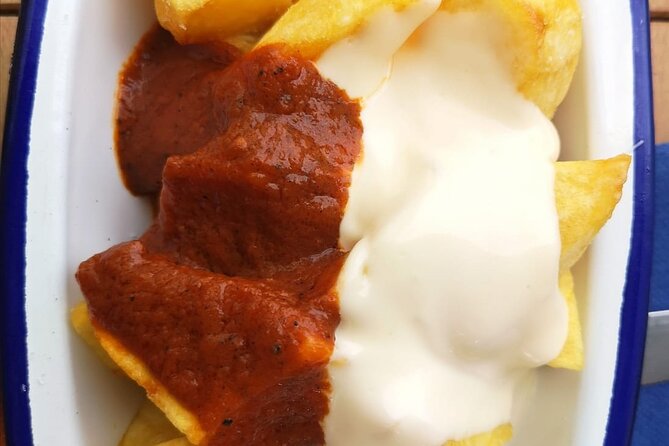
At $65.33, this tour offers solid value if you would otherwise pay for dinner and several drinks in the Gothic Quarter. You are also paying for the guide, the route planning, and the chance to enter places you might not choose on your own.
The value is strongest for a first visit. You get a meal, basic neighborhood orientation, and a list of foods to look for during the rest of your stay. Several people found the experience useful for deciding where and what to eat later.
The price is less appealing if you mainly want an in-depth history walk or a fine-dining meal. The history is woven into the route rather than presented as a formal lecture, and the food comes from casual tapas bars and bakeries. One less enthusiastic assessment found the food decent but not especially memorable and wanted more historical detail and better organization.
That criticism is worth keeping in mind. The tour depends on the individual guide and the condition of the venues that day. Most guides were praised for being warm, informative, and engaging, but one outing had trouble locating a selected venue. Another complaint involved a guide arriving late and ending early, though the provider stated that the experience normally lasts at least three hours.
Who should book this experience?
I would recommend it to first-time visitors who want an easy introduction to Barcelona’s food customs. It also suits people who enjoy walking, small bars, shared plates, and conversation more than formal restaurant service.
Families can take part. One group enjoyed the experience with children from ages 8 to 17, though parents should remember that the route includes alcoholic drinks for adults and several unfamiliar foods.
It is a good choice for solo visitors and couples because the small group makes it easier to talk with others. It is also useful at the start of a Barcelona stay, when you can use the guide’s food and transportation tips for the days ahead.
I would be more cautious if you need a fully fixed menu, have serious food allergies, dislike shared tastings, or want a major architectural tour. The route is moderate in physical effort, but you will walk through old-city streets and remain on your feet for much of the three-and-a-half-hour experience.
Book at least a little ahead if your dates are fixed. This tour is often reserved about 54 days in advance, suggesting that popular departure times can fill early.
Practical details before you go
You receive confirmation when booking, and a mobile ticket is accepted. The experience is offered in English, though the guide may also speak Spanish during the walk.
Wear comfortable shoes. The route covers several Gothic Quarter streets, and the main pleasure comes from walking between food stops rather than sitting in one place.
Arrive early at Plaça de l’Àngel and keep your phone available in case you need to identify the guide. The tour ends near Carrer de Jaume I, but the precise final point can change slightly.
Free cancellation is available up to 24 hours before the start time for a full refund. Changes made within 24 hours are not accepted, and poor weather or failure to meet the minimum group size can lead to a rescheduled experience or full refund.
Should you book the Barcelona tapas tour?
Yes, if you want a friendly introduction to Barcelona through food rather than a long list of monuments. The strongest reasons are the small group, the broad food selection, the local drinks, and the way the route connects each dish with the Gothic Quarter.
I would book it early in your stay, preferably when you can eat a full meal and still have time afterward to use the guide’s suggestions. Choose lunch if crema Catalana matters most, or evening if you prefer handmade ice cream and a relaxed night walk.
The tour is not flawless. The menu changes, the history portion depends on the guide, and organization may occasionally be less polished than expected. Still, at this price, it offers a practical way to get fed, oriented, and introduced to Barcelona’s everyday food culture.
FAQ
How long does the Barcelona food tour last?
The experience lasts approximately three hours and 30 minutes. The listed food stops add up to about three hours, with walking and neighborhood orientation included in the overall experience.
Where does the tour begin and end?
It begins at Plaça de l’Àngel in Ciutat Vella. The planned ending is on Carrer de Jaume I, though the final point may change slightly depending on venue availability.
What food is included?
The planned menu includes croquetas, vermouth, fried anchovies, potato tortilla, sausage montaditos, tomato salad, pimientos del Padrón, and dessert. Lunch departures may include crema Catalana, while evening departures may include handmade ice cream with local flavors such as turron.
Are drinks included?
Yes. The tour includes a fixed selection of alcoholic drinks, which may include wine, vermouth, cava, or sangria, along with water. Nonalcoholic options are available.
Can I join if I am vegetarian?
Yes, vegetarian options are available. You should inform the provider about dietary restrictions before booking so the food stops can be arranged.
What happens if I need to cancel?
You can receive a full refund by canceling at least 24 hours before the local start time. Cancellations or changes made less than 24 hours before the tour are not accepted for a refund.
Just added around Barcelona
- Barcelona: Guided Rooftop Wine Tasting – Enjoy 6 Spanish Wines★ 4.5 · 61 reviews
- Barcelona Sailing Experience: Spanish Tapas and Premium Open Bar★ 4.5 · 34 reviews
- Wine & Cava Penedes Tour: Wineries, Wine Tasting and Tapas★ 5.0 · 5 reviews
- Barcelona: Bike or eBike Tour, Top Sights & Local Insights★ 5.0 · 47 reviews
- Barcelona’s Most Terrific of Tapas Tours in the Gothic quarter★ 5.0 · 2 reviews
- Barcelona Morning Tapas Crawl by Food Tour★ 5.0 · 45 reviews
- Barcelona Tapas & Wine Private Tour in Traditional Taverns★ 4.5 · 60 reviews
- Tapas and Wine Walking Tour in Barcelona★ 5.0 · 47 reviews
Food, compared.
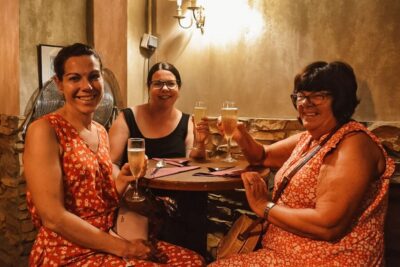
Tapas Walking Tour with Food, Wine, and History
Read our review →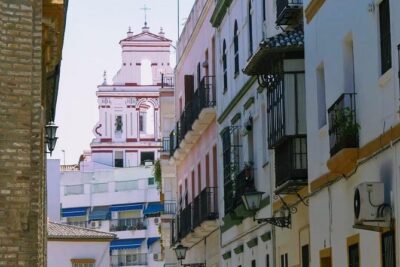
Sevilla Food Tour: Tapas, Wine, History & Traditions
Read our review →
Madrid Tapas & Taverns Small Group Food & History Tour
Read our review →
Barcelona Tapas Walking Tour: Food, Wine & History
Read our review →
Barcelona Gothic Quarter Tapas & Taverns Food & Wine Tour
Read our review →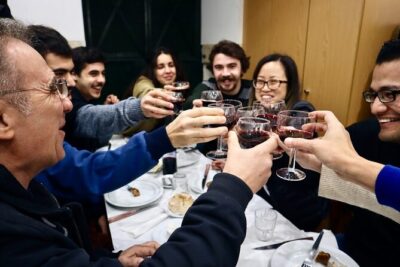
Lisbon Food Tour with 10+ Tastings of Local Delicacies & Wines
Read our review →
Barcelona Food Tour: Tapas, Paella, Sangria & 8+ Local Tastings
Read our review →Browse the lists this tour appears in