
Review · BARCELONA
Barcelona Side Streets Tapas & Wine Tour
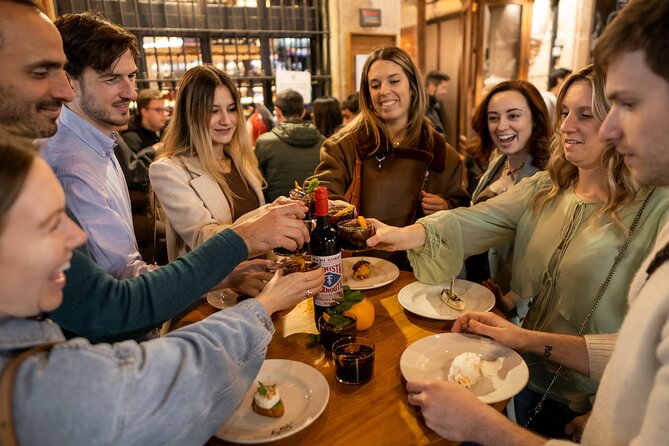
Barcelona tastes best one small plate at a time. This 3.5-hour tour links Catalan food and local drinks with the medieval lanes of El Born, the waterfront streets of Barceloneta, and some of the city’s oldest surviving sights. I like the focus on regional dishes rather than a broad menu of generic Spanish favorites. I also like that the route includes several different drinks, from vermut and cava to wine poured from a traditional porrón.
The main thing to consider is the price: $112 per person is fair only if you value the guide, history, and several food stops as much as the meal itself. Vegetarian choices may be limited, and the tour is not suitable for vegans. Reviews praise guides Lindsey and Lindsay for their stories, food choices, and easy way of connecting the dishes to Barcelona’s culture.
Key details worth knowing
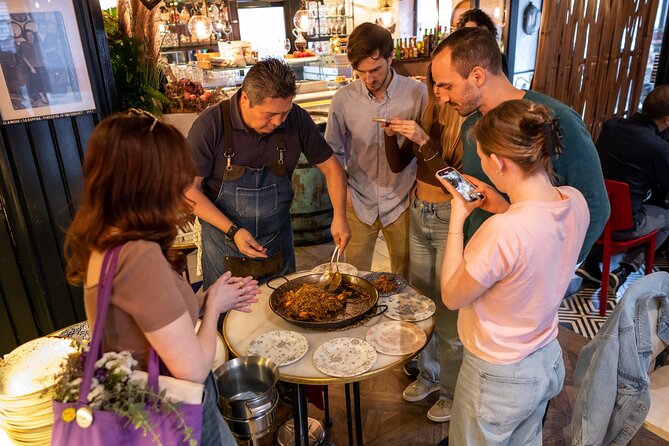
- Five food stops in 3.5 hours: You get a steady tasting route rather than one long restaurant meal.
- Catalan dishes take center stage: Expect Bomba de Barceloneta, Fideuà, aubergine dishes, tomato bread, and a traditional pastry.
- Three local drinks are included: Vermut, cava, and white wine served from a porrón.
- The route covers three distinct areas: El Born, Barceloneta, and the Old Town near major historic sights.
- The food is tied to local history: Roman, Moorish, and Latin influences help explain why the dishes taste the way they do.
- Vegetarians need to ask questions: Vegetarian food may be limited, and vegans should choose another tour.
Why this Barcelona food tour feels different
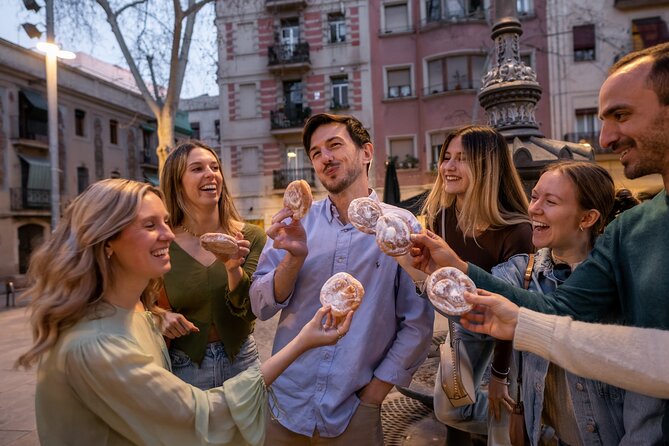
Barcelona has no shortage of tapas walks. Many stick to familiar Spanish standards and rush you between crowded bars. This one takes a more local Catalan angle, which is its strongest feature.
You will still encounter dishes that feel familiar, but the emphasis is on food connected to Catalonia. Catalan tomato bread, aubergine tortilla, Bomba de Barceloneta, and Fideuà give the meal a clear regional identity. I like that approach because it helps you understand the difference between eating in Barcelona and simply eating Spanish food in Barcelona.
The history adds useful context without turning the tour into a lecture. You move through medieval El Born, pass a 2,000-year-old wall, visit the Gothic church of Santa Maria del Mar, and continue toward Barceloneta. The food gives you reasons to pay attention to the streets around you.
The tour also includes local characters and small human details. One stop may feature a bar’s resident seabird, a memorable touch that gives the route some personality. These details matter because good food tours are not only about what lands on the plate. They are also about the people, places, and habits that make the meal feel rooted in the city.
More Tapas and Wine Tours in Barcelona
- Montserrat Half-Day Tour with Tapas and Gourmet Wines
★ 5.0 · 7,359 reviews - Montserrat & Cogwheel Train, Gourmet Wine Tasting & Tapas/Lunch
★ 5.0 · 6,290 reviews - Barcelona Tapas and Wine Experience Small-Group Walking Tour
★ 5.0 · 5,804 reviews
Starting with Catalan flavors, not generic tapas
The opening dishes set the tone. You may begin with something such as aubergine tortilla or fried aubergine, followed by Catalan tomato bread. These are simple foods, but they show how much character can come from a few ingredients prepared well.
The aubergine course is especially useful for understanding the tour’s style. It is a regional specialty, not just a predictable potato omelet or plate of cured meat. If you like vegetables, this may be one of the more interesting early tastes. If you prefer meat-heavy tapas, you may find the first part of the meal a little light.
Catalan tomato bread is another small dish with a big place in local eating. Bread is rubbed with tomato and finished with seasoning and oil, creating a fresh, savory bite. It is not flashy, but it tells you something about Catalan cooking: the best-known foods often rely on quality produce and simple preparation.
The guide connects these foods to the wider story of Catalonia, including Roman, Moorish, and Latin influences. You should not expect a full culinary history course in a few hours, but the background gives each stop more meaning.
El Born, Santa Maria del Mar, and the old city walls
The route through El Born is one of the tour’s best assets. Its narrow lanes and medieval buildings create the right setting for a food walk. You are not simply eating in a modern commercial district, then hearing a few facts about the past. The old streets are part of the experience.
Santa Maria del Mar adds a major architectural stop. This Gothic church is one of the most recognizable buildings in the area, and seeing it along the route gives the tour a strong sense of place. The walk also includes a 2,000-year-old wall, a reminder that Barcelona’s story reaches far beyond its medieval quarter.
I like this mix of food and sightseeing because it keeps the tour moving. You are not asked to spend three and a half hours seated at a table. Instead, the guide uses the walk between stops to explain the city, point out landmarks, and introduce the next part of the meal.
Bring comfortable shoes. The route includes historic streets and walking between food stops, so this is not the right choice if you want a completely seated experience. A water bottle is also sensible, especially in warm weather.
Vermut, cava, and wine from a porrón
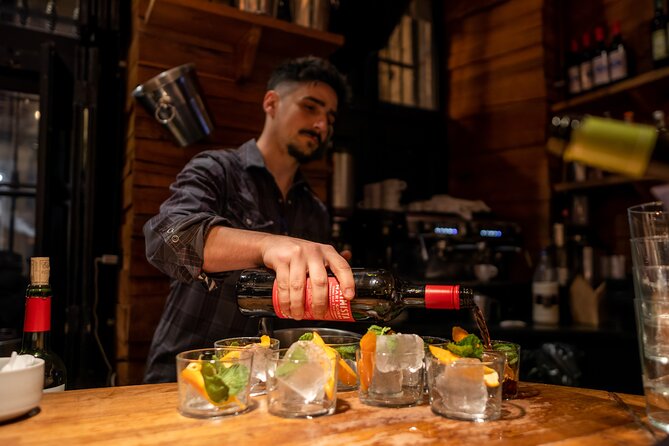
The drinks are more than an extra perk. They help explain how people in Catalonia enjoy food.
Vermut is a traditional pre-meal drink with a strong place in local social life. Here, you may receive a Basque vermut cocktail, giving you a chance to try a variation beyond the usual wine and beer routine. It adds a slightly more grown-up start to the tasting.
Cava brings the familiar Spanish sparkling wine tradition into the meal. It works well with small plates and offers a clear regional connection, since Catalonia is closely associated with its production.
The most playful drink is white wine poured from a porrón. This traditional glass vessel has a long spout, allowing you to pour directly into your mouth. It is fun, but it can be messy, so do not wear your finest shirt if you are worried about a wayward splash.
The package includes three local drinks, which helps explain some of the $112 price. Still, you should think of the cost as payment for a guided food and culture experience, not simply a restaurant bill. If you rarely drink or plan to eat a large dinner afterward, the value may feel weaker.
More Tapas and Wine Tours in Spain
- Montserrat with Black Madonna & Medieval Winery with Tapas/Lunch
★ 5.0 · 5,209 reviews - Barcelona: Montserrat and Winery Tour with Tapas or Lunch
★ 4.8 · 4,695 reviews - Barcelona: Tapas Walking Tour with Food, Wine, and History
★ 4.8 · 4,261 reviews - Barcelona: Food Walking Tour with Tapas and Wine
★ 4.9 · 2,180 reviews
Bomba de Barceloneta and the flavors of the port
The Bomba de Barceloneta is one of the signature bites on the route. It is closely linked with the seaside neighborhood of Barceloneta and gives you a dish with a clear local address.
This is the sort of food that makes the tour more useful than a standard tapas sampler. You are not just trying an attractive snack. You are learning that neighborhoods have their own dishes and food traditions. The name itself connects the bite to Barceloneta, which makes the later walk through the seaside area feel more connected to the meal.
Barceloneta brings a different mood from El Born. The old alleys give way to the seaside setting, and the tour shows how Barcelona’s food culture is shaped by its relationship with the port. This part of the route is especially appealing if you want more than an indoor meal.
The food stops are family-run restaurants with generations of history. Specific restaurant names and exact seating arrangements are not provided, so you should not expect a fixed restaurant itinerary you can easily recreate on your own. The value is in having the guide connect the places and dishes as one story.
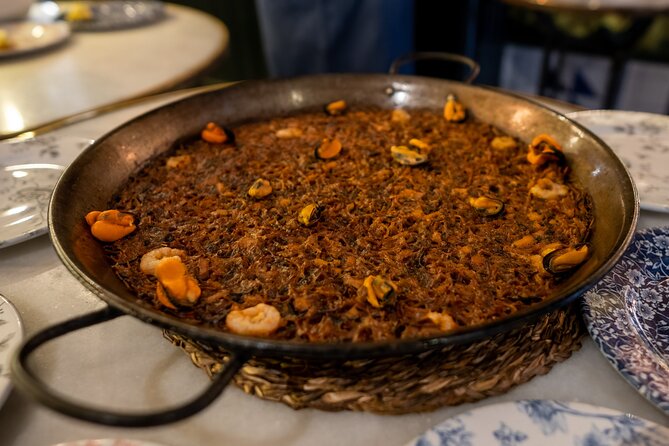
Fideuà, often called Catalan paella
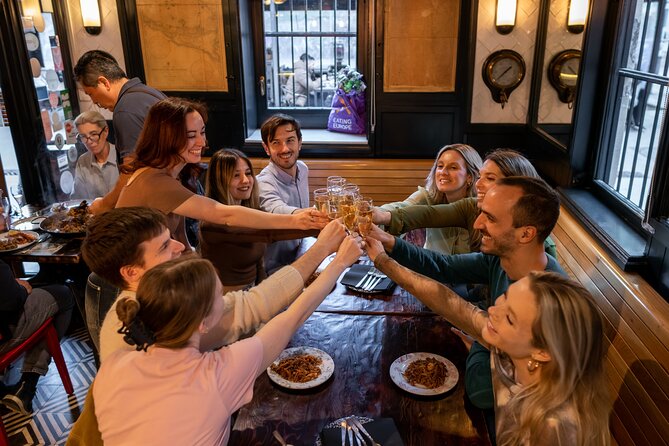
Fideuà is another major food stop. It is often described as a Catalan version of paella, though it uses noodles rather than rice. That difference makes it worth trying, especially if you have already eaten paella elsewhere in Spain.
The dish adds a fuller, more substantial course to the tasting. Early snacks such as tomato bread and aubergine may leave you curious, but Fideuà gives the meal more weight. It is also a useful reminder that Catalan cooking has its own identity within Spain.
I appreciate that the tour includes both famous food and less obvious regional specialties. You get the recognizable Bomba de Barceloneta, then dishes such as aubergine tortilla and Fideuà that may not appear on every Barcelona food walk.
Because the tour includes five food stops, portions are likely designed for tasting rather than a full plate at each place. The supplied details do not promise exact serving sizes, so do not book this expecting a large sit-down lunch. You should arrive ready to sample several dishes and drinks at a measured pace.
A sweet Catalan finish
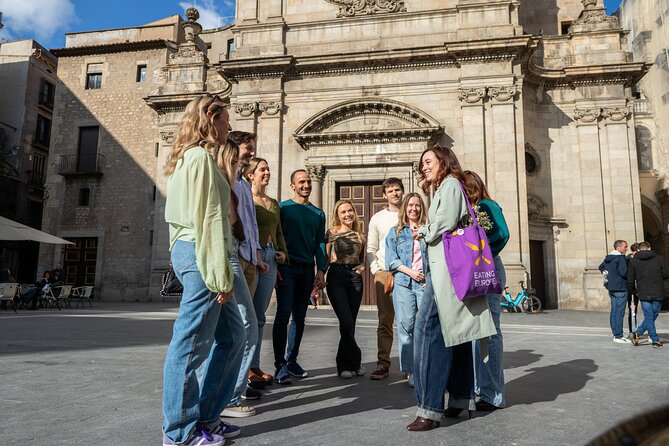
The final stop is a traditional Catalan pastry. The exact pastry is not specified, so you should treat this as a regional sweet rather than expect one named dessert.
A pastry ending is a smart way to close the route. After savory dishes, seafood-style noodles, fried aubergine, bread, and drinks, a sweet bite gives the tour a proper finish. It also adds another part of Catalan food culture instead of ending with a standard scoop of ice cream or a generic dessert.
If you have dietary restrictions, ask before booking or at the start. Vegetarian choices may be limited, and the tour is not suitable for vegans. The available information does not specify gluten-free, dairy-free, or allergy accommodations, so you should not assume those options are available.
What the guide adds to the meal
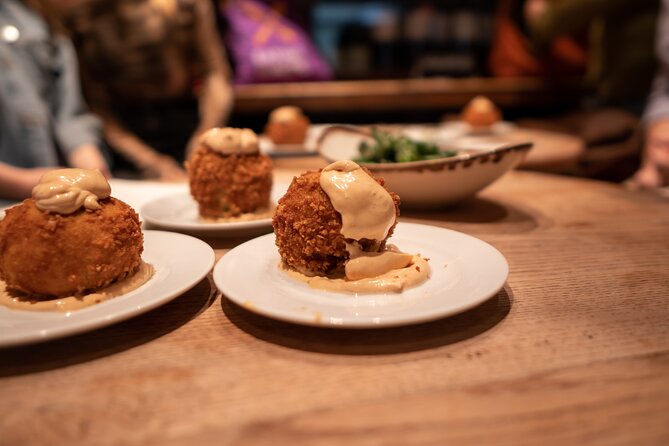
The guide is central to the value here. A food walk can easily become a list of dishes, but the best moments come when someone explains why a local food matters and points out what you would miss alone.
The strongest feedback focuses on Lindsey or Lindsay, who is praised for fun facts, city stories, and selecting stops that represent Barcelona well. The two names appear differently in the available feedback, but the clear point is that the guide received strong praise for the way the food and history were combined.
That combination suits you if you enjoy asking questions and learning as you walk. It may suit you less if you want to eat quietly or choose every dish yourself. The experience is guided, and the food choices are part of the planned route.
A private group option is available. That can be useful if you prefer a more personal pace or are organizing a family, couple, or small group outing. The regular format is in English, with a live English-speaking guide.
Is $112 a fair price?
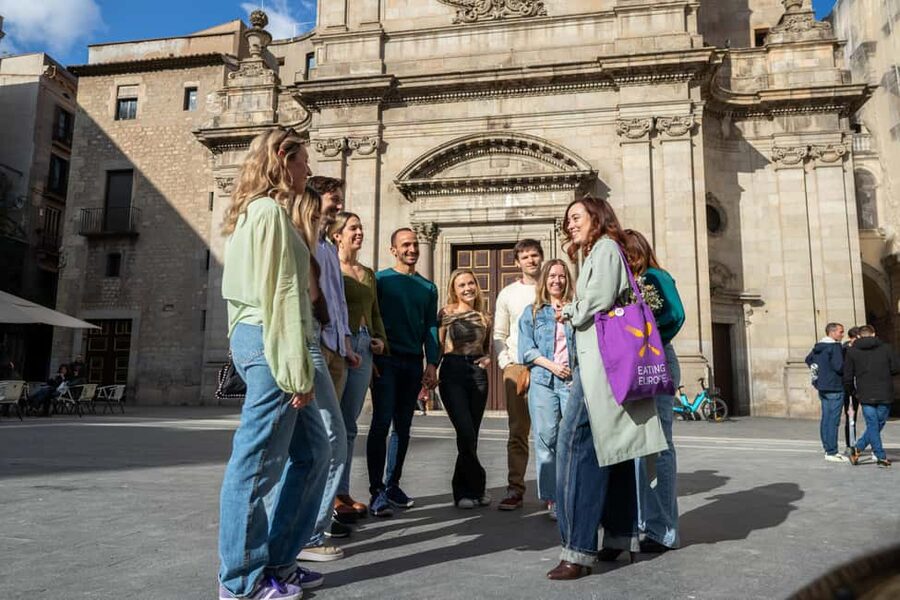
At $112, this is not a budget snack crawl. You are paying for five food stops, three local drinks, a live guide, and a route that combines El Born, Barceloneta, historic walls, Santa Maria del Mar, and the port area.
I would judge the price in three parts:
- Food and drink: Five tastings and three beverages form a substantial sampling menu, though portion sizes are not specified.
- Guiding: The guide adds stories, food context, and local connections that you would not get from ordering dishes alone.
- Sightseeing: The route includes significant historic areas, so you are also paying for a guided introduction to central Barcelona.
The price makes the most sense early in your visit. You can use the tour to learn what dishes and drinks you want to seek out later. It is also a good fit if you want one planned afternoon that combines eating and sightseeing without arranging several restaurants yourself.
The value is weaker if you do not drink, need a vegan menu, or prefer full restaurant portions. In those cases, you may pay for parts of the experience you cannot fully use.
Practical details for your day
Meet the guide with the Eating Europe logo in the middle of the designated square. Hotel pickup and drop-off are not included, so plan your route to the meeting point before the start time.
The tour lasts 3.5 hours, and starting times depend on availability. Comfortable walking shoes are important, and a water bottle will help you stay comfortable. Bring a camera if you want to record the old lanes, church, wall, seaside, and food stops.
The tour is wheelchair accessible, though the route passes through historic areas. You should still confirm the exact meeting arrangements and any personal mobility needs before booking.
Free cancellation is available up to 24 hours in advance for a full refund. You can also reserve now and pay later, which helps if your Barcelona schedule is still changing.
Who should book this food walk?
I would recommend it to you if you want:
- A first taste of Catalan food rather than generic Spanish tapas
- A guided route through El Born and Barceloneta
- Local drinks as part of the meal
- A mix of food, history, architecture, and walking
- A friendly English-language experience with a local guide
- A private group option for a more personal outing
I would hesitate if you are vegan, need a wide range of vegetarian choices, dislike walking, or want a large conventional meal. The experience is best for curious eaters who enjoy tasting several things and hearing the story behind them.
Should you book the Barcelona Side Streets Tapas & Wine Tour?
Book it if you want your Barcelona food experience to have a strong local accent. The focus on Catalan dishes, Barceloneta specialties, Fideuà, vermut, cava, and porrón wine gives the tour more character than a standard tapas sampler.
The best reason to choose it is the blend of food and place. You get the medieval streets of El Born, Santa Maria del Mar, a 2,000-year-old wall, and the seaside character of Barceloneta, all tied together by what you eat and drink.
At $112, it is a considered purchase, not a casual snack. If you value a good guide and want an easy introduction to Barcelona’s food culture, it is a sound choice. If you only want the cheapest way to fill up, spend your money at a local restaurant instead.
FAQ
How long does the Barcelona Side Streets Tapas & Wine Tour last?
The tour lasts 3.5 hours.
How much does the tour cost?
The listed price is $112 per person.
How many food stops are included?
Five food stops are included.
Which drinks are included?
The tour includes three local drinks: vermut, cava, and white wine served from a traditional porrón.
Which foods can I expect to taste?
Food may include Bomba de Barceloneta, Fideuà, aubergine tortilla or fried aubergine, Catalan tomato bread, and a traditional Catalan pastry.
Where does the tour visit?
The route includes the medieval alleys of El Born, the seaside area of Barceloneta, the Old Town, a 2,000-year-old wall, and Santa Maria del Mar.
Is the tour suitable for vegans?
No. The tour is listed as not suitable for vegans. Vegetarian choices may also be limited.
Is the tour wheelchair accessible?
Yes, the activity is listed as wheelchair accessible.
Can I cancel the booking?
Yes. You can cancel up to 24 hours in advance for a full refund. Reserve now and pay later is also available.
Just added around Barcelona
- Barcelona Sailing Experience: Spanish Tapas and Premium Open Bar★ 4.5 · 34 reviews
- Barcelona: Guided Rooftop Wine Tasting – Enjoy 6 Spanish Wines★ 4.5 · 61 reviews
- Wine & Cava Penedes Tour: Wineries, Wine Tasting and Tapas★ 5.0 · 5 reviews
- Barcelona: Bike or eBike Tour, Top Sights & Local Insights★ 5.0 · 47 reviews
- Barcelona’s Most Terrific of Tapas Tours in the Gothic quarter★ 5.0 · 2 reviews
- Barcelona Morning Tapas Crawl by Food Tour★ 5.0 · 45 reviews
- Barcelona Tapas & Wine Private Tour in Traditional Taverns★ 4.5 · 60 reviews
- Tapas and Wine Walking Tour in Barcelona★ 5.0 · 47 reviews
Tapas and Wine Tours, compared.
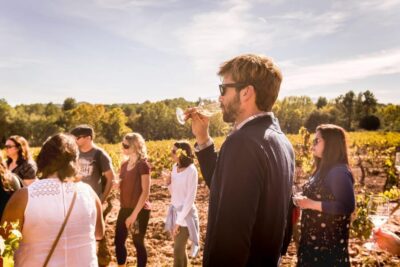
Montserrat Half-Day Tour with Tapas and Gourmet Wines
Read our review →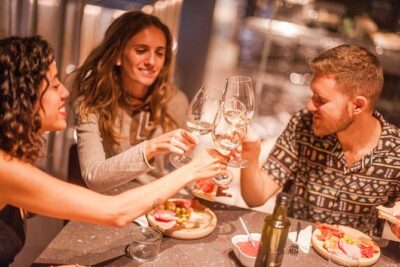
Montserrat & Cogwheel Train, Gourmet Wine Tasting & Tapas/Lunch
Read our review →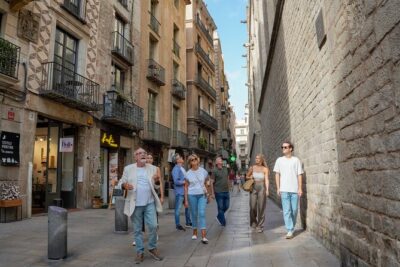
Barcelona Tapas and Wine Experience Small-Group Walking Tour
Read our review →
Montserrat with Black Madonna & Medieval Winery with Tapas/Lunch
Read our review →
Montserrat and Winery Tour with Tapas or Lunch
Read our review →
Tapas Walking Tour with Food, Wine, and History
Read our review →
Madrid Tapas & Wine Tasting Walking Tour – Small Group Local Bars
Read our review →
Sevilla Food Tour: Tapas, Wine, History & Traditions
Read our review →Browse the lists this tour appears in