
Review · BARCELONA
Eat Like a Local: Hidden Gràcia Catalan Tapas Tour Barcelona
Gràcia tastes best away from the main sights. This 2.5-hour walk leads you through a former village now known for local bars, leafy plazas, and Catalan pride. I like the five-stop route and the generous spread of seven or more tastings, especially since the food is served in working neighborhood spots rather than tourist-focused dining rooms.
I also like the small group, limited to 10 people, and the chance to take part in the Catalan vermut ritual. The main consideration is that the tour may not satisfy you if you want a detailed history of every business, and occasional venue changes can affect the flow.
Key points to know before booking
- Seven or more tastings in 150 minutes: Expect tortilla with jamón, botifarra, croquetas, sardine toast, a bomba, and crema catalana.
- Five local stops in Gràcia: The route uses a bodega, vermuteria, croqueteria, tapas bar, and dessert restaurant.
- A small-group feel: The maximum group size is 10, giving you a better chance to speak with the guide.
- Vermut is part of the culture lesson: You receive one glass of house vermut if you are at least 16 years old.
- Three languages are available: Guides lead the tour in English, Spanish, or French.
- A flexible booking policy: You can cancel up to 24 hours before the tour for a full refund and reserve without paying immediately.
Why Gràcia makes a fine food-tour setting

Gràcia has a different rhythm from the streets around Las Ramblas and the Gothic Quarter. It was once an independent village, and its local identity still comes through in its plazas, bars, and everyday neighborhood life.
That matters on a food tour. You are not simply moving from one famous sight to another while eating a snack. You are walking through a part of Barcelona where people meet for a drink, share small plates, and treat food as part of the day’s routine.
The tour begins in front of the Monument a Clavé. From there, your guide leads you through Gràcia to five food stops. The exact walking distance between venues is not specified, but the route is built around the neighborhood rather than around major monuments.
I like that design. Food tastes more useful when you understand where it fits into local life. A stop for vermut, for example, is not just a chance to drink fortified wine. It introduces a social custom that many visitors could miss if they only order sangria and paella.
More Food Tours in Barcelona:
- Barcelona: Tapas Walking Tour with Food, Wine, and History
★ 4.8 · 4,261 reviews - Barcelona: Food Walking Tour with Tapas and Wine
★ 4.9 · 2,180 reviews - Barcelona Tapas Walking Tour: Food, Wine & History
★ 4.5 · 1,928 reviews
Bar Bodega Can Ros: classic Catalan comfort food
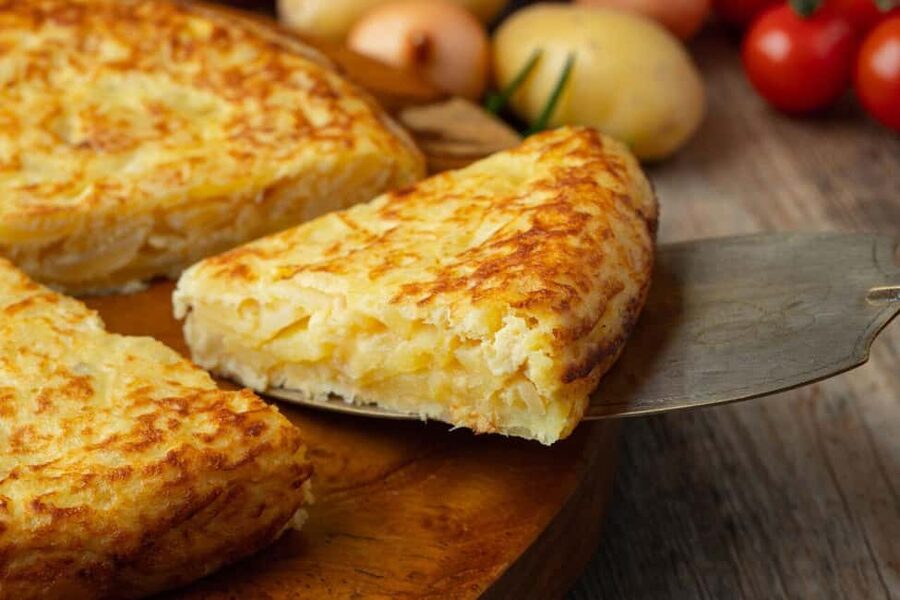
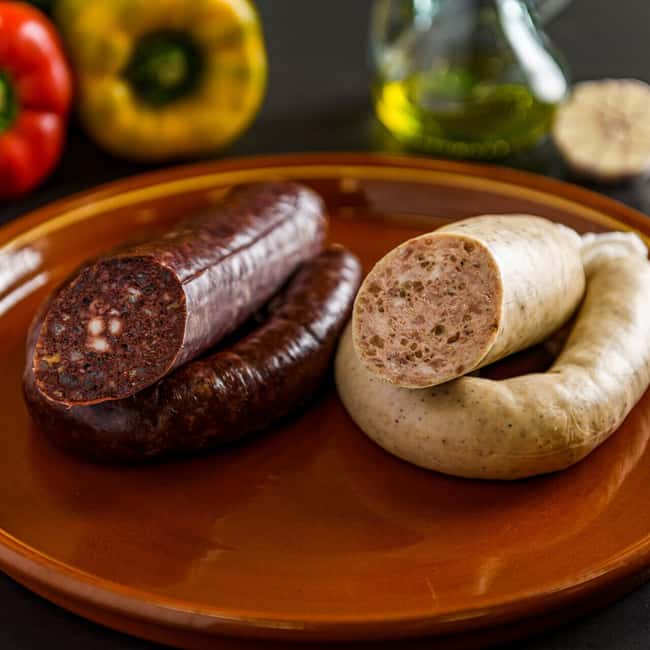
The first food stop is Bar Bodega Can Ros, a traditional bodega where you try tortilla with jamón and grilled botifarra sausage. The stop lasts about 20 minutes.
These are sturdy, familiar foods. Tortilla gives you the soft potato and egg combination common across Spain, with jamón adding salt and depth. Botifarra, a Catalan sausage, brings a more regional touch and gives the opening tasting a clear connection to local cooking.
The setting is part of the appeal. A bodega is the sort of place that helps you understand Barcelona beyond its postcard image. You are tasting dishes associated with everyday meals and casual gatherings, not just polished restaurant fare.
This first stop also sets expectations for the rest of the route. The food is meant to be filling, and the portions are described as generous. If you arrive after a large lunch, pace yourself. Seven or more tastings in 150 minutes can add up quickly.
Vermuteria Puigmartí: a glass of local routine
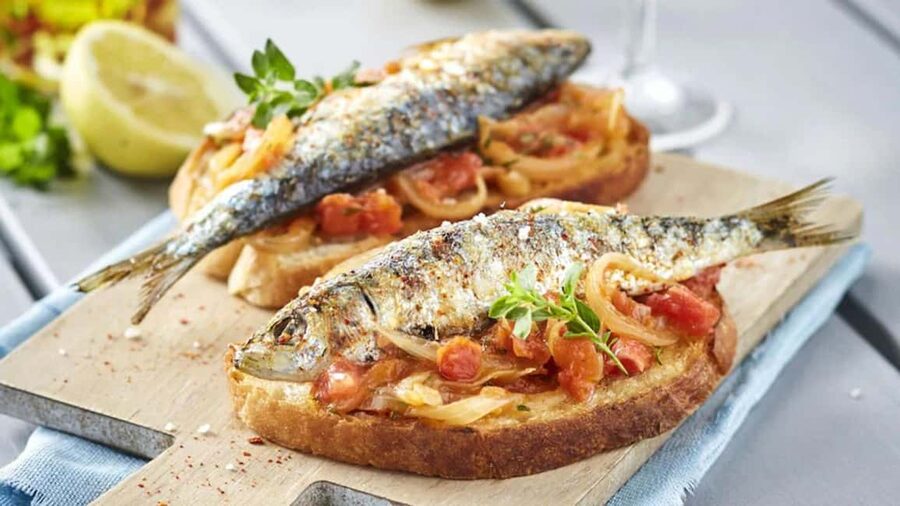
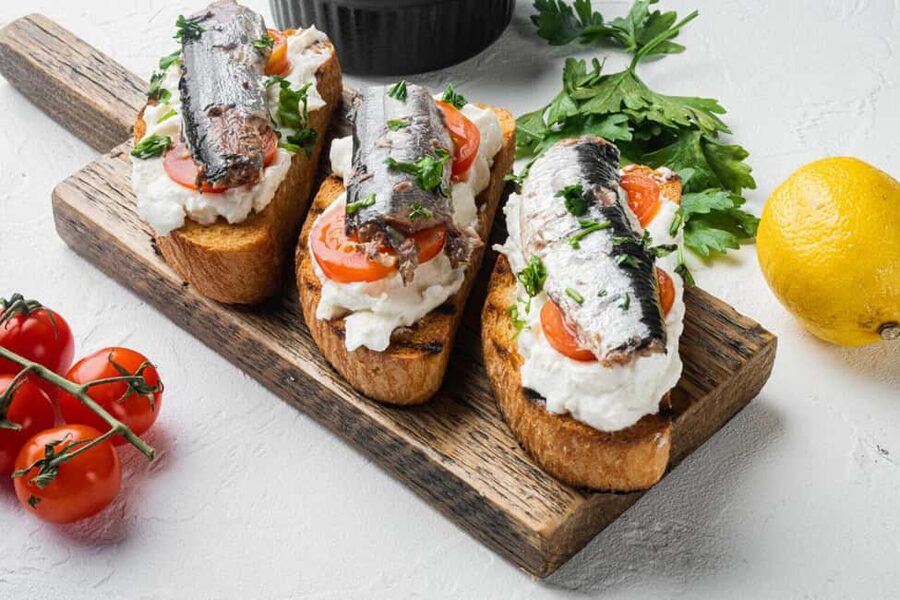
Next comes Vermuteria Puigmartí, with about 25 minutes for wine, vermut, tapas, and local snacks. Here you receive one glass of house vermut if you are 16 or older, along with sardine-topped toast.
Vermut is one of the best subjects for a Barcelona food tour because it connects drink, timing, and social custom. The traditional ritual is often associated with a pre-lunch break, when a glass of vermouth is paired with a small savory bite. Your guide explains how that habit became part of Catalan life.
The sardine toast is a useful pairing. Its salty flavor works with vermut, and it gives you a taste of the preserved seafood and simple snack foods common in a vermuteria.
The age rule is important. Vermouth is served only to people over 16, so younger participants should expect the food but not the alcoholic drink. The supplied details do not specify a replacement beverage, so you should ask the guide or venue directly if that matters to your group.
Croq & Roll Croqueteria: familiar food with a newer twist
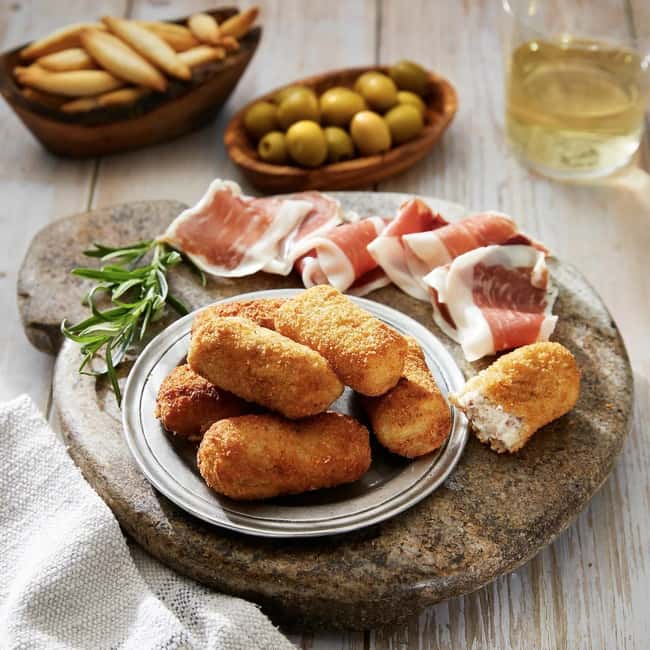
The third stop is Croq & Roll Croqueteria, where you spend about 20 minutes sampling croquetas and tapas.
Croquetas are a useful test of a tapas bar. The outside should be crisp, while the inside should be creamy and substantial. This stop brings a more modern angle to the route, showing how a beloved Spanish snack can be presented in a newer, more creative setting.
I like the contrast with the bodega. Can Ros offers traditional sausage and tortilla, while Croq & Roll gives you a chance to see how local food culture keeps changing. That variety helps prevent the tour from becoming five versions of the same small plate.
Still, croquetas are familiar to many visitors who have already eaten tapas in Spain. The value here is less about discovering an unknown dish and more about trying a well-loved staple in a dedicated croqueteria, with a guide explaining where it fits in local eating habits.
A few more tapas tours around Barcelona worth a look
- Montserrat Half-Day Tour with Tapas and Gourmet Wines
★ 5.0 · 7,359 reviews - Montserrat & Cogwheel Train, Gourmet Wine Tasting & Tapas/Lunch
★ 5.0 · 6,290 reviews - Barcelona Tapas and Wine Experience Small-Group Walking Tour
★ 5.0 · 5,804 reviews - Montserrat with Black Madonna & Medieval Winery with Tapas/Lunch
★ 5.0 · 5,209 reviews
Casa Pagès: the Barcelona bomba

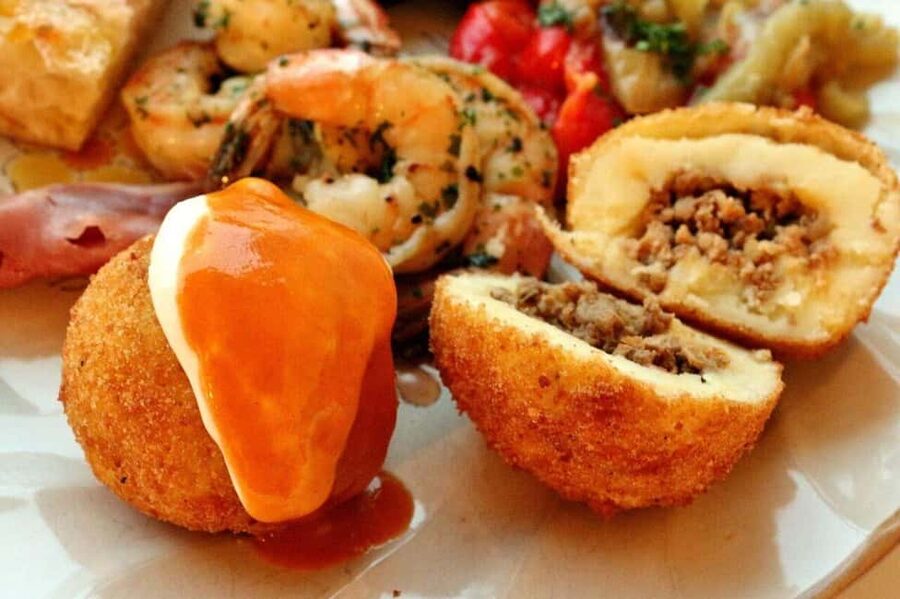
At Casa Pagès, you try the famous bomba during another 20-minute food stop. This golden-fried potato ball is filled with meat and finished with spicy sauce.
The bomba is strongly linked with Barcelona’s casual food culture. It is rich, crisp, soft, and spicy all at once. The dish also gives you a better sense of the city’s preference for bold textures and direct flavors.
This is one of the more memorable tastings on the route because it feels distinct from tortilla, sausage, and croquetas. You get potato again, but the preparation is completely different. The fried shell and sauce make the bomba feel more like a snack built for a bar than a formal regional dish.
If you are sensitive to spice, ask about the sauce before eating. The tour description identifies it as spicy, but it does not provide a heat level or ingredients list.
La Pepita: finishing with crema catalana
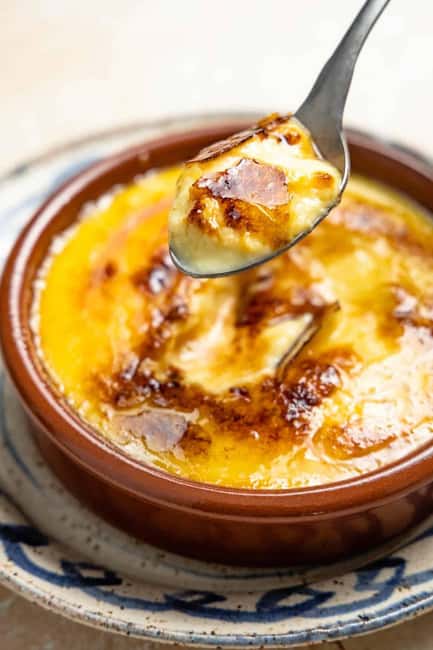
The final stop is La Pepita, where the tour ends after about 20 minutes with crema catalana.
The dessert has a silky custard base and a caramelized top. You crack through the sugar before eating the soft custard underneath, which gives the finale a simple bit of ceremony. It is Catalonia’s best-known dessert and a fitting finish to a route focused on regional identity.
This stop is practical as well as pleasant. Since La Pepita is the ending point, you do not need to return to the meeting location at the Monument a Clavé. If you are making evening plans, remember that the tour finishes at the restaurant rather than back at the starting point.
The route does not include a full meal in the usual restaurant sense, but the tastings are described as generous. You should leave with a good sense of Catalan bar food, though your appetite and portion sizes may determine whether you still want dinner afterward.
What the guide adds to the food
A local guide leads the walk in English, Spanish, or French. The guide’s role is not only to point out the next bar, but to connect the dishes with Catalan customs and neighborhood life.
That cultural explanation is especially useful for vermut, botifarra, and the bomba. Without context, these can look like a series of tasty plates. With context, you begin to see how people use bars for conversation, how regional sausage differs from generic tapas fare, and why a simple pre-lunch drink matters.
Past feedback also points to strong personal interaction. One guide named Fafa was praised for taking the group to quaint, filling places, and other guides were described as friendly, flexible, and easy to talk with. That is a real strength for a small-group tour.
The limitation is worth keeping in mind. The guide may offer cultural stories, but you should not expect a long historical lecture about every bar or family business. Some participants wanted more background on the venues themselves. If you want the business history behind each stop, ask questions as you walk.
Small group size and possible route changes
The maximum group size is 10. That is small enough for the guide to adjust the pace and respond to food preferences more easily than on a large coach-style outing.
It also makes conversation more natural. Several people enjoyed the relaxed mood and the chance to speak with the guides. You may find that the social part becomes nearly as important as the food, especially if you are visiting Barcelona alone or as a couple.
There is one practical warning. A venue can occasionally be closed or unavailable, and the guide may need to adjust the route. That happened on one occasion, with the guide adapting as needed. Flexibility is helpful, but it can also mean the evening does not follow the planned sequence exactly.
The tour is wheelchair accessible, but the supplied details do not explain the exact street conditions, restroom access, or any venue-specific limitations. If you use a wheelchair, contact the provider before booking to confirm the current route.
Is $106 a fair price?
At $106 per person, this is not a cheap way to grab tapas. You are paying for more than the food itself: a 150-minute guided walk, five stops, seven or more tastings, one glass of house vermut for eligible participants, and access to a guide who can explain Catalan food traditions.
The price makes more sense if you value structure and local context. You do not have to research Gràcia’s bars, choose dishes from unfamiliar menus, or guess which neighborhood spots are worth your time. The tour also lets you sample several foods in one evening instead of committing to a full meal at a single restaurant.
The value is weaker if you already know Barcelona’s tapas scene or prefer ordering freely from a menu. Additional food and drinks cost extra, and the tour does not promise a private group or a full dinner.
For a first visit, I think the price can be justified by the range of food and the access to smaller local venues. You should still arrive hungry but not starved, since the route moves at a steady pace and includes several filling dishes.
Who will enjoy this Gràcia food tour?
I would recommend it most to you if you want to:
- Eat Catalan specialties without spending time planning a bar crawl.
- See a local Barcelona neighborhood rather than stay around the main tourist zones.
- Learn how vermut fits into Catalan daily life.
- Try several dishes in small portions or shared tastings.
- Meet a guide and a small group in a relaxed setting.
- Sample traditional food alongside newer tapas ideas.
It may be less suitable if you want a formal culinary class, a detailed account of each restaurant’s history, or complete control over what you eat and drink. It is also worth checking the timing against your dinner plans, since the tour includes substantial tastings.
You can book in English, Spanish, or French. The reserve-now, pay-later option gives you some flexibility, and cancellation is free up to 24 hours before the start time.
Should you book it?
Book this tour if your ideal Barcelona evening includes local bars, generous food portions, a bit of walking, and useful cultural explanation. The strongest parts are the small group, the range from botifarra to bomba to crema catalana, and the chance to experience vermut as a local custom rather than just another drink.
Skip it if you mainly want restaurant history, a private experience, or a full sit-down dinner. Venue changes can happen, and the level of background on individual businesses may vary.
For most first-time visitors who want a friendly introduction to Gràcia, this is a practical and tasty choice. Just arrive ready to eat, keep your schedule flexible, and ask questions when a dish catches your interest.
FAQ
Where does the tour meet?
You meet in front of the Monument a Clavé in Gràcia, Barcelona.
Where does the tour finish?
The tour finishes at La Pepita.
How long does the food tour last?
The experience lasts 150 minutes, or 2.5 hours.
How many food stops are included?
The route includes five local stops: Bar Bodega Can Ros, Vermuteria Puigmartí, Croq & Roll Croqueteria, Casa Pagès, and La Pepita.
What food is included?
The tastings include tortilla with jamón, grilled botifarra sausage, croquetas, sardine-topped toast, a bomba, and crema catalana, with seven or more tastings in total.
Is vermut included?
Yes. One glass of house vermut is included for participants aged 16 and older.
What languages does the guide speak?
The live guide can lead the tour in English, Spanish, or French.
How large is the group?
The tour is limited to 10 participants.
Is the tour wheelchair accessible?
Yes, the activity is described as wheelchair accessible.
Can I cancel for a refund?
You can cancel up to 24 hours in advance for a full refund. You can also reserve now and pay later.
Just added around Barcelona
- Barcelona Sailing Experience: Spanish Tapas and Premium Open Bar★ 4.5 · 34 reviews
- Barcelona: Guided Rooftop Wine Tasting – Enjoy 6 Spanish Wines★ 4.5 · 61 reviews
- Wine & Cava Penedes Tour: Wineries, Wine Tasting and Tapas★ 5.0 · 5 reviews
- Barcelona: Bike or eBike Tour, Top Sights & Local Insights★ 5.0 · 47 reviews
- Barcelona Morning Tapas Crawl by Food Tour★ 5.0 · 45 reviews
- Barcelona’s Most Terrific of Tapas Tours in the Gothic quarter★ 5.0 · 2 reviews
- Barcelona Tapas & Wine Private Tour in Traditional Taverns★ 4.5 · 60 reviews
- Tapas and Wine Walking Tour in Barcelona★ 5.0 · 47 reviews
Food, compared.
Tapas Walking Tour with Food, Wine, and History
Read our review →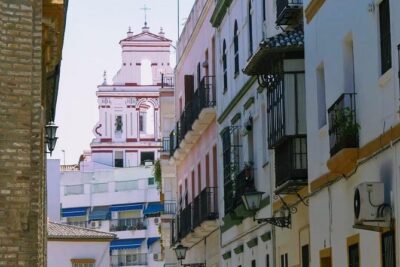
Sevilla Food Tour: Tapas, Wine, History & Traditions
Read our review →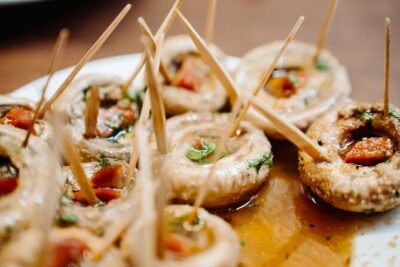
Madrid Tapas & Taverns Small Group Food & History Tour
Read our review →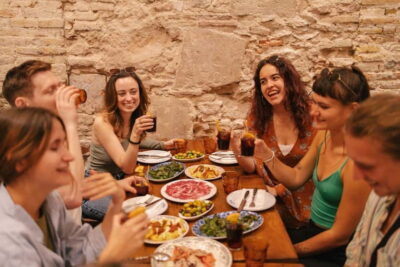
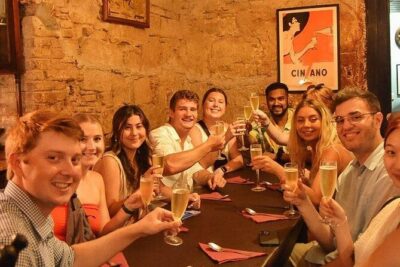
Barcelona Tapas Walking Tour: Food, Wine & History
Read our review →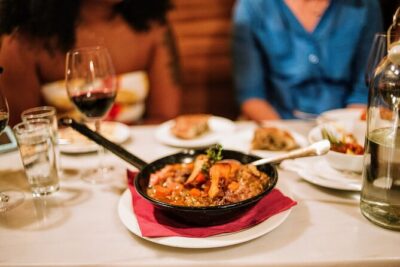
Barcelona Gothic Quarter Tapas & Taverns Food & Wine Tour
Read our review →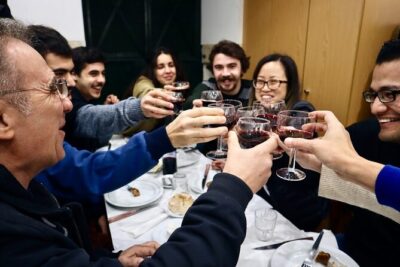
Lisbon Food Tour with 10+ Tastings of Local Delicacies & Wines
Read our review →
Barcelona Food Tour: Tapas, Paella, Sangria & 8+ Local Tastings
Read our review →Browse the lists this tour appears in