
Review · LISBON
Food Tour: Portuguese wine & Tapas with Ginjinha Tasting
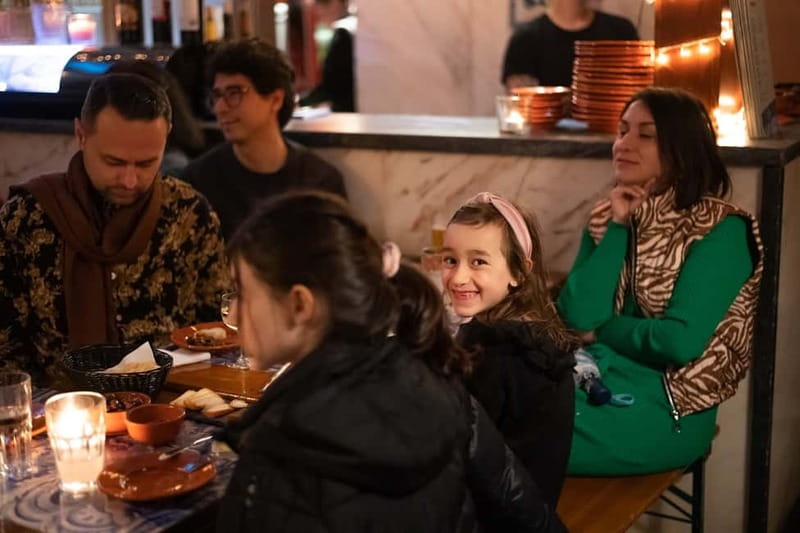
Come hungry for small plates. This 2.5-hour Lisbon food tour links three local restaurant stops with Portuguese wine, traditional petiscos, and a tasting of ginjinha, the country’s famous sour cherry liquor. I like the easy pace and the chance to share food with new people. I also like that the guide adds stories about Portuguese culture instead of simply dropping plates on the table.
The main thing to know is that petiscos are tasting portions, not a full dinner. One evening included excellent fado performers, and the restaurant visits involved little walking between stops. Still, at $40 per person, you should expect a pleasant introduction to Portuguese flavors rather than a large meal.
- Three local stops: Try food and wine at two restaurants, then finish at a third atmospheric stop.
- Petiscos, not full entrees: The three dishes are small plates meant for sharing.
- Ginjinha included: Sample Lisbon’s well-known sour cherry liquor during the tour.
- Relaxed social setting: Sharing dishes gives the experience a friendly, informal feel.
- Helpful guides: Ricardo earned special praise for making everyone comfortable, while Muhammed was noted for his stories and for running longer than expected.
- Simple meeting point: Find the team near the statue in Praça Luís de Camões, marked by yellow shirts, umbrellas, or hoodies.
Starting at Praça Luís de Camões
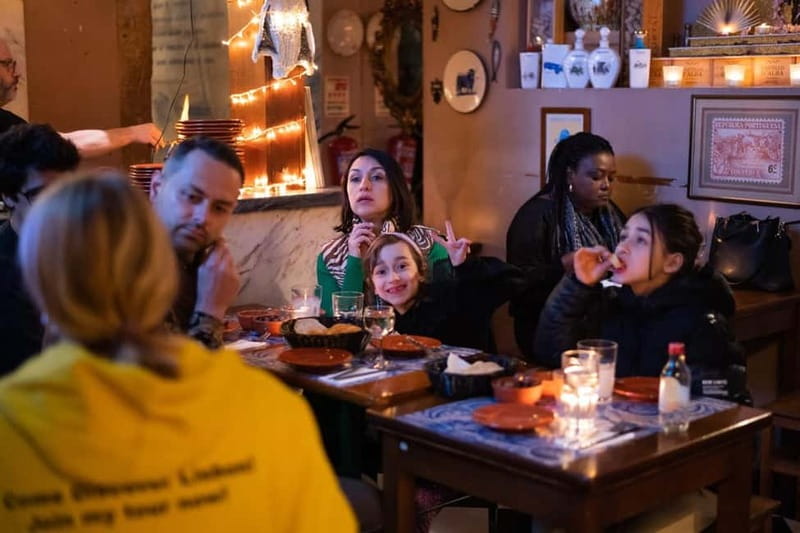
Your evening begins in the center of Praça Luís de Camões, near the statue. Look for the guide in a yellow T-shirt, or for the team’s yellow umbrellas and hoodies. This clear meeting point matters in Lisbon, where a busy square and several nearby streets can otherwise make a first meeting confusing.
The square is in a useful central part of the city, but the tour information does not promise a detailed sightseeing walk before dinner. I would arrive with enough time to locate the statue and settle in, rather than expecting the guide to wait while you search.
The tour is offered in English or Spanish. That makes it a practical choice for mixed-language groups, though you should select the language that lets you follow food stories and cultural explanations comfortably.
The group then moves to three local food stops. The route is described as involving limited walking between restaurants, which is helpful if you want to save your feet for the rest of your Lisbon evening. It is not suitable for people with mobility impairments, so check your own comfort with moving between stops before booking.
What Petiscos Mean at the Table
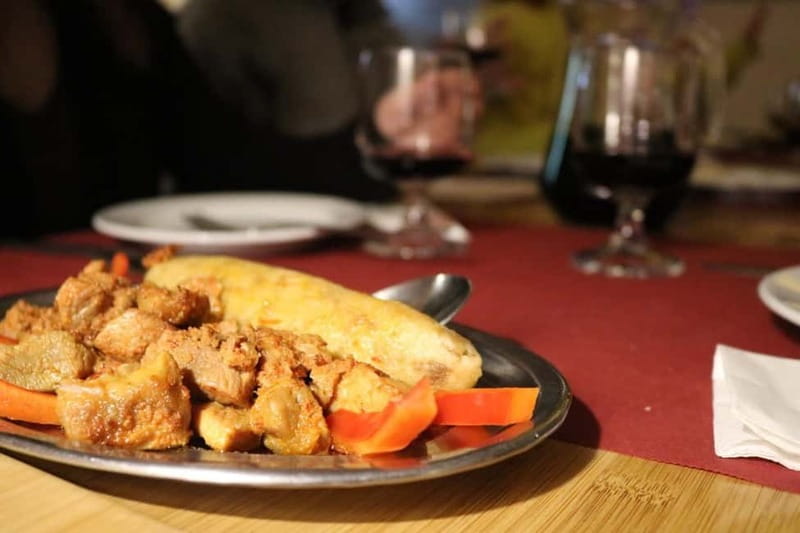
The word petiscos refers to small Portuguese dishes made for sharing. That idea shapes the whole evening. Instead of ordering one main dish for yourself, you taste several items with the people around you and compare reactions as the plates arrive.
I like this format because it gives you a wider look at Portuguese food in a short time. You are not tied to one plate, and the social setup makes it easier to talk with fellow diners. It also reflects a useful part of local dining culture: food can be ordered for the table, passed around, and discussed.
The tradeoff is quantity. Three traditional dishes may give you a good sample, but they are not designed to leave everyone full. One direct assessment of the experience described the food as appetizer-style and advised not expecting a complete dinner. I would plan a small meal afterward if you normally eat a substantial evening dinner.
The exact dishes are not specified in advance. That can be part of the fun, but it also means you should not book this tour expecting a particular dish. The experience is built around tasting a selection chosen for the group and the local restaurants.
More Tapas and Wine Tours in Portugal
- Lisbon Food Tour with 10+ Tastings of Local Delicacies & Wines
★ 5.0 · 1,339 reviews - Lisbon: Premium Wine and Tapas Tasting Session
★ 4.8 · 116 reviews - A True Taste of Lisbon: Portuguese Tapas, Wine & Surprise Drink
★ 4.5 · 110 reviews
First Restaurant: Your Introduction to Portuguese Wine
The first restaurant stop lasts about 30 minutes and includes food and wine tasting. This is your first chance to get a feel for the evening’s format: a small plate, a drink, a little explanation, and time to share the food.
The value here is not just the dish itself. A guide can explain how the food fits into everyday Portuguese eating and how the wine works alongside it. The supplied details promise stories about food and Portuguese culture, so you should expect conversation and context rather than a silent tasting.
Because the stop is only about half an hour, the pace may feel brisk. You will not have time for a long meal or a broad restaurant menu. That short format is useful if you want several tastes in one night, but less suitable if you prefer to sit in one place and dine slowly.
The wine is included, with bottled water also available as an option. Additional food and drinks are not included, so ask the guide about anything beyond the tasting before ordering it.
Second Restaurant: More Tasting, Less Walking
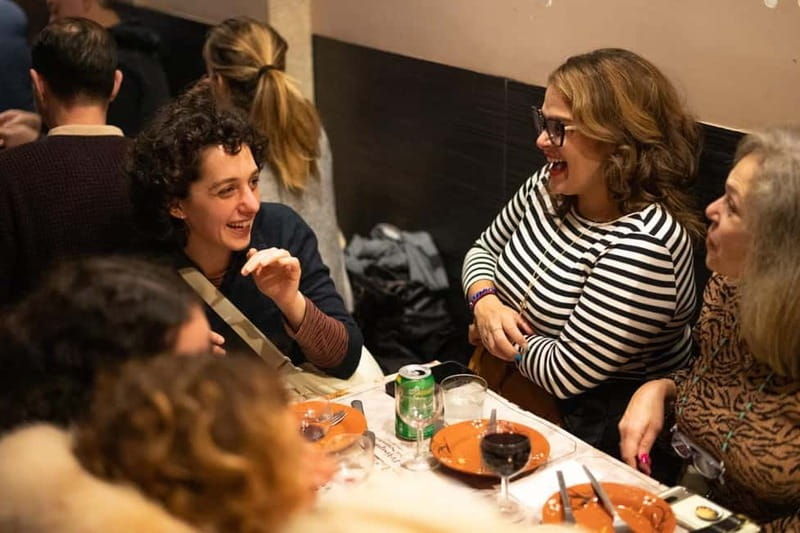
The second restaurant also allows about 30 minutes for food and wine. By this point, you will understand that the evening is a moving tasting rather than a traditional dinner reservation.
I see this stop as a chance to compare two local settings and two small dishes without spending the night on public transport or a long walk. The route keeps the focus on conversation, food, and local advice. The guides also offer suggestions for other places to try tapas-style food in the area, which can help you plan another meal in Lisbon.
Keep the timing in mind. Thirty minutes is enough to taste and talk, but it may not suit you if you want detailed service, several drink choices, or time to study every menu. The tour’s strength is variety and ease, not control over every item served.
The information describes the food as Portuguese petiscos, although the promotional language also uses tapas. In practice, the important point is the small-plate style. This is a useful introduction to shared bites, but I would not treat it as a survey of every major Portuguese dish.
The Third Stop and Ginjinha Tasting
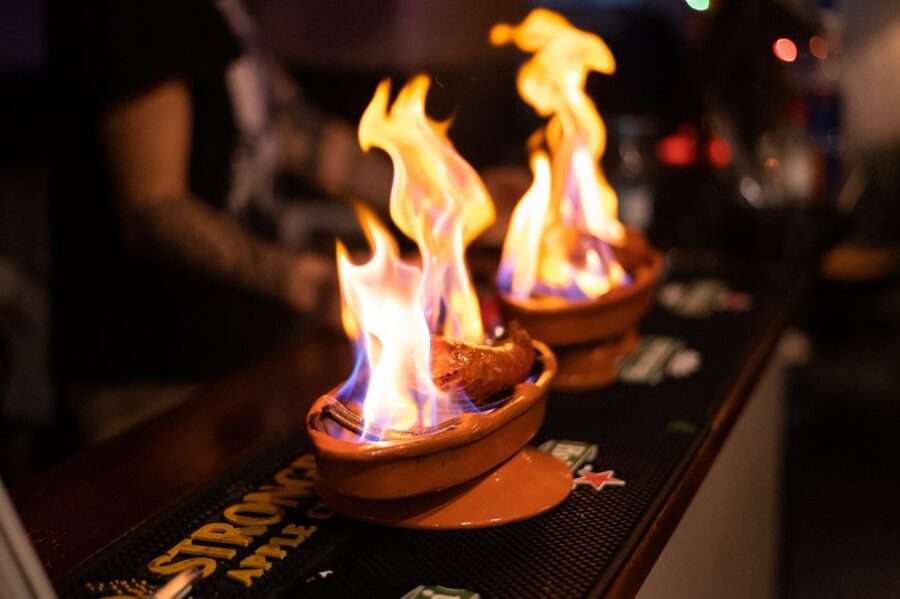
The final food stop lasts about 45 minutes, giving you more time than the first two restaurants. It is described as a special local stop, with food and wine tasting included. That extra time should make the finish feel less rushed and give the guide room for more stories.
This is also where the experience’s drinks become especially memorable, thanks to the ginjinha tasting. Ginjinha is a famous Portuguese sour cherry liquor, and it offers a distinct taste compared with the wine served during the meal. For many people, this will be the most specifically Lisbon-centered drink of the evening.
The experience includes the tasting, but not unlimited servings. Additional drinks are your responsibility. If you do not drink alcohol, the tour information confirms that Portuguese wine or a bottle of water is available, though it does not describe a separate nonalcoholic tasting menu.
One evening also included fado performers, who were praised for their quality. Fado is not listed as a guaranteed part of every departure, so I would treat this as a possible bonus rather than a promise. If it happens during your visit, it can add a strong cultural note to the final stop.
More Portuguese Tapas and Petiscos in Lisbon:
- Lisbon: Fado Vadio Tour with Portuguese Tapas
★ 4.7 · 151 reviews - Private Tuktuk Tour with Portuguese Tapas and Wine
★ 5.0 · 33 reviews - Private Lisbon Tour with Premium Portuguese Wine and Tapas Tasting
★ 5.0 · 33 reviews - Lisbon: Romantic Cruise with Wine & Portuguese Tapas
★ 5.0 · 12 reviews
The Guides Make the Difference
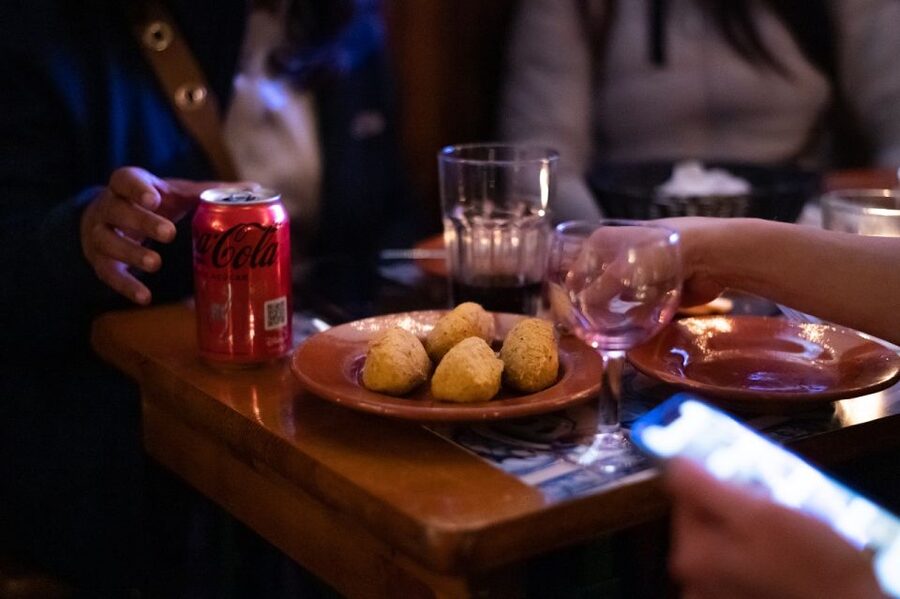
A food tour depends heavily on the person leading it. The guide has to keep the timing under control, explain unfamiliar food clearly, and help a group of strangers feel comfortable sharing a table.
Ricardo received especially strong praise for giving the group his full attention, helping everyone relax, and combining information with humor. That is exactly what you want in a small-plate tour. Good guidance turns a series of tastings into a connected evening.
Muhammed was also praised for having many stories and for extending the tour beyond the scheduled time. That suggests some departures may run longer than the advertised 2.5 hours, which could be welcome if you enjoy a leisurely evening. It could be less convenient if you have a firm dinner booking or a scheduled show afterward.
Guide quality can vary from one departure to another, and the listed languages are English and Spanish. Still, the personal attention and storytelling are among the strongest reasons to book this experience instead of simply ordering petiscos on your own.
How Much Food Do You Actually Get?
You receive three traditional Portuguese dishes. Since petiscos are small plates for sharing, the amount per person depends partly on the group and how the food is divided.
I would describe the included food as a tasting meal. It should give you a sense of several local flavors, but it may not replace dinner. The supplied experience specifically warns that the portions can be small, so plan your expectations accordingly.
This is not necessarily a weakness. Smaller portions let you sample more than one preparation, and the point is to learn how shared plates work. But if you are arriving after a long day without eating, the $40 price does not cover extra food to fill the gaps. You can buy additional food or drinks, but those costs are separate.
Vegetarian options can be accommodated if you request them at least 24 hours before the tour. If you have allergies, religious restrictions, or other food needs, tell the provider in advance. Accommodation is possible, but it is not guaranteed for last-minute requests.
Is $40 a Fair Price?
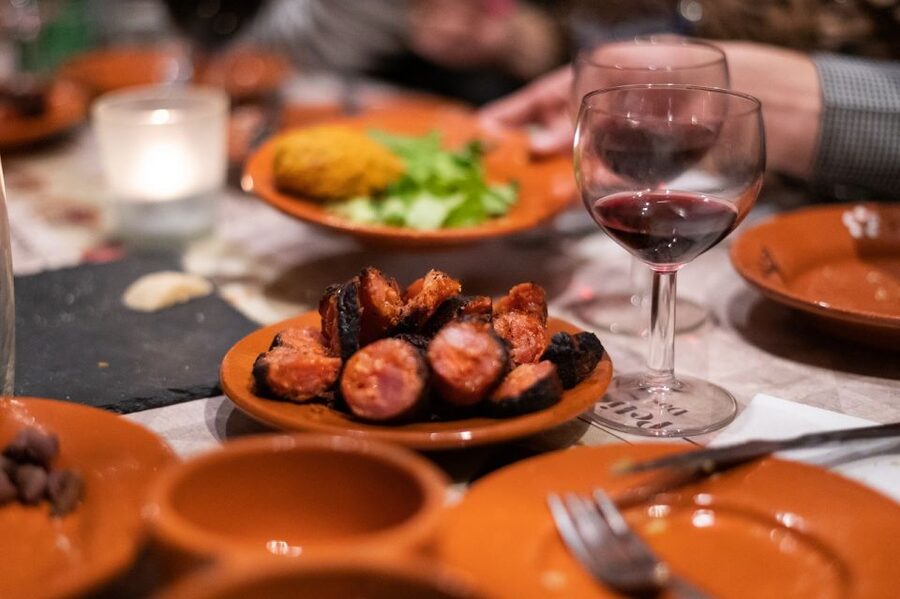
At $40 per person, the price is reasonable if you value a guide, three restaurant visits, three included petiscos, wine or water, and a ginjinha tasting. You are paying for access to a planned route and for the cultural explanation that ties the stops together.
The calculation looks less attractive if you want a large dinner. The food is tasting-sized, and extra dishes or drinks are not part of the price. I would compare it with the cost of ordering three small plates and drinks independently, while also considering the value of having someone choose the stops and explain the food.
The social element is part of the price too. You share dishes with friends or fellow diners, hear local stories, and receive suggestions about places to try later. If you enjoy meeting people over food, that adds real value. If you prefer a private table and complete control over the menu, ordering on your own may suit you better.
The activity also offers free cancellation up to 24 hours before the start time and a reserve-now, pay-later option. Those policies are useful when your Lisbon schedule is still changing.
Pace, Comfort, and Practical Limits
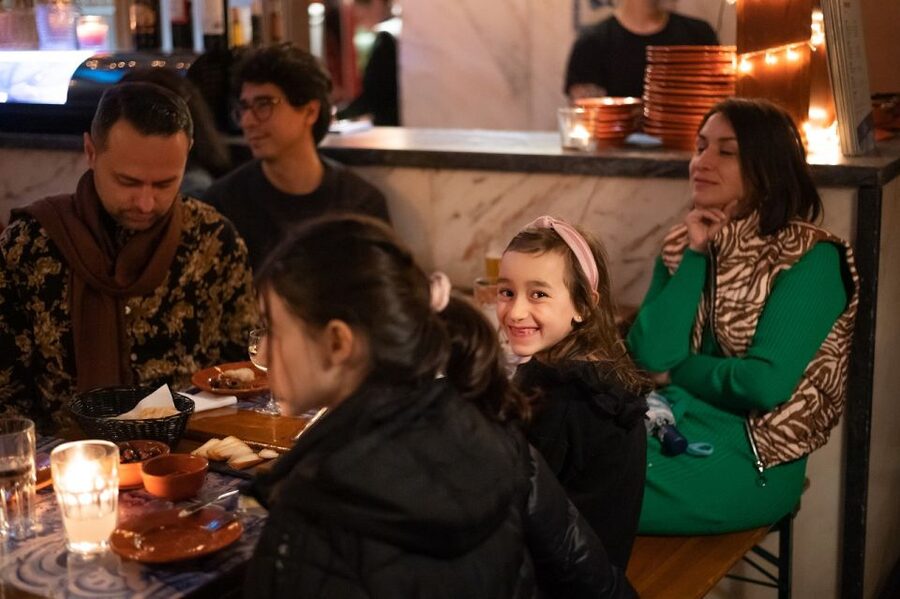
The advertised duration is 2.5 hours, though one departure reportedly lasted longer. I would leave some space afterward rather than booking another activity immediately. A flexible evening fits this tour best.
The walk between restaurants is not extensive, according to the experience details and direct feedback, but the activity is not suitable for people with mobility impairments. Large bags and luggage are not allowed. Leave suitcases at your accommodation and bring only what you need for the evening.
The end point is back at Praça Luís de Camões. That makes the activity easier to combine with nearby plans, though the exact route and restaurant names are not provided in advance. You should think of the meeting square as both the start and the finish, not as a promise of a particular neighborhood tour.
Because the meeting team wears yellow, finding the guide should be straightforward. Still, arrive early enough to identify the statue and look for the yellow clothing rather than waiting at a random entrance to the square.
Who Will Enjoy This Lisbon Food Tour?
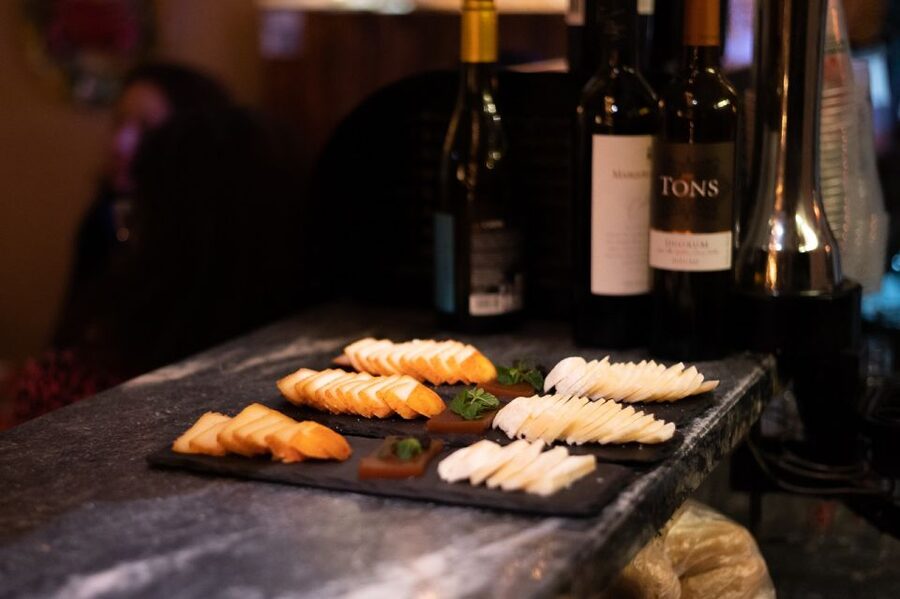
I would recommend this experience to you if you want an uncomplicated introduction to Portuguese food and enjoy sharing plates. It works particularly well for solo visitors, couples, and friends who like a social setting and do not mind trying food selected by the guide.
It is also a good choice for a first night in Lisbon. You get local suggestions, a few food styles, Portuguese wine, and a taste of ginjinha without having to research several restaurants yourself.
You may want to skip it if you need a full dinner, have complex dietary requirements, or dislike moving between restaurants. The tour is also a poor fit if you have limited mobility or need luggage with you.
The experience received an overall rating of 3.8 out of 5 from 67 ratings. I read that as a sign of a generally enjoyable but not flawless activity. The strongest points are the guides, the relaxed social mood, the cultural stories, and the chance to hear fado on some evenings. The clearest limitation is the small amount of food.
Should You Book It?
Book this tour if you want three small tastes, local wine, ginjinha, and friendly guidance more than a full meal. Ricardo and Muhammed were both praised for making the experience personal and story-filled, and the limited walking keeps the evening manageable.
Skip it if you expect generous portions or a guaranteed fado performance. For most people, I would treat it as a food-and-culture introduction, then plan a proper dinner later if needed. At $40, it offers fair value when you count the guide, tastings, and restaurant stops, as long as you understand that petiscos are samples to share, not plates meant to fill you up.
FAQ
Where does the Portuguese wine and petiscos tour begin?
It begins in the center of Praça Luís de Camões, near the statue. Look for the guide in a yellow T-shirt, or for the team with yellow umbrellas or hoodies.
How long does the tour last?
The scheduled duration is 2.5 hours. One departure lasted longer than expected, so avoid making a tightly timed booking immediately afterward.
What food is included?
The tour includes three traditional Portuguese dishes known as petiscos. They are small plates intended for sharing, so they may not amount to a full dinner.
Is ginjinha included?
Yes. A ginjinha tasting is included, along with Portuguese wine or a bottle of water.
Can vegetarian or restricted diets be accommodated?
Vegetarian options can be requested at least 24 hours before the tour. You should also advise the provider in advance about other food restrictions so they can try to accommodate them.
What languages are available, and can I bring luggage?
The live guide is available in English or Spanish. Large bags and luggage are not allowed, and the activity is not suitable for people with mobility impairments.
More Food Tours in Lisbon
- Tapas And Tascas: Private Food Tasting Experience In Lisbon
★ 3.5 · 7 reviews - Barcelona: Tapas Walking Tour with Food, Wine, and History
★ 4.8 · 4,261 reviews - Sevilla Food Tour: Tapas, Wine, History & Traditions
★ 5.0 · 3,468 reviews - Madrid Tapas & Taverns Small Group Food & History Tour
★ 5.0 · 2,664 reviews
More Tapas and Wine Tours in Lisbon
- Private Lisbon Walking Tour with Premium Port Wine and Tapas Tasting
★ 5.0 · 61 reviews - Lisbon: Premium Port Wine Tasting & Tapas
★ 5.0 · 54 reviews - Sintra Cascais (Wine and Tapas) 4X4 Land Rover Panoramic Private Tour
★ 5.0 · 36 reviews - Charms of Lisbon: Alfama Tapas Tour & Sunset Sailing with Wine
★ 5.0 · 25 reviews
Just added around Lisbon
- Private Tuktuk Tour with Portuguese Tapas and Wine★ 5.0 · 33 reviews
- Private tapas tuk tuk tour through Lisbon★ 5.0 · 12 reviews
- Tapas And Tascas: Private Food Tasting Experience In Lisbon★ 3.5 · 7 reviews
- Premium Lisbon Wine and Tapas Tasting★ 5.0 · 20 reviews
- Sintra Cascais (Wine and Tapas) 4X4 Land Rover Panoramic Private Tour★ 5.0 · 36 reviews
- Urban winery tour, premium tasting flight & tapas★ 5.0 · 4 reviews
- Arrábida Palmela Azeitão Private Tour – W/ Wine Tasting & Tapas★ 5.0 · 6 reviews
- Premium Lisbon Port Wine and Tapas Tasting★ 5.0 · 12 reviews
Tapas and Wine Tours, compared.

Montserrat Half-Day Tour with Tapas and Gourmet Wines
Read our review →
Montserrat & Cogwheel Train, Gourmet Wine Tasting & Tapas/Lunch
Read our review →
Barcelona Tapas and Wine Experience Small-Group Walking Tour
Read our review →
Montserrat with Black Madonna & Medieval Winery with Tapas/Lunch
Read our review →
Montserrat and Winery Tour with Tapas or Lunch
Read our review →
Tapas Walking Tour with Food, Wine, and History
Read our review →
Madrid Tapas & Wine Tasting Walking Tour – Small Group Local Bars
Read our review →
Sevilla Food Tour: Tapas, Wine, History & Traditions
Read our review →Browse the lists this tour appears in