
Review · MADRID
Madrid: Guided Food Tour with Authentic Tapas & Delicacies
Madrid tastes best one small plate at a time. This food tour brings you into the Historic Centre for traditional tapas, old taverns, local drinks, and stories that explain why each bite matters. I especially like the iconic squid sandwich and the chance to visit family-run places that you might otherwise walk past. The main drawback is the amount of walking, which makes this a poor fit for anyone with mobility limits.
I also like the choice between a two-hour express route and a three-hour food and culture tour. Guides such as Jorge, Jo, Diego, and Maria José have earned repeated praise for their warmth and local insight. Just remember that the menu and stops can change, and dietary needs should be shared before you arrive.
Key things to know before you book
- The squid sandwich is the signature bite: Madrid’s deep-fried calamari tucked into bread is simple, local, and more filling than it sounds.
- The three-hour route serves eight or more tastings: You get jamón, other cured meats, cheese, tapas, sweets, drinks, olive oil, and the Secret Dish.
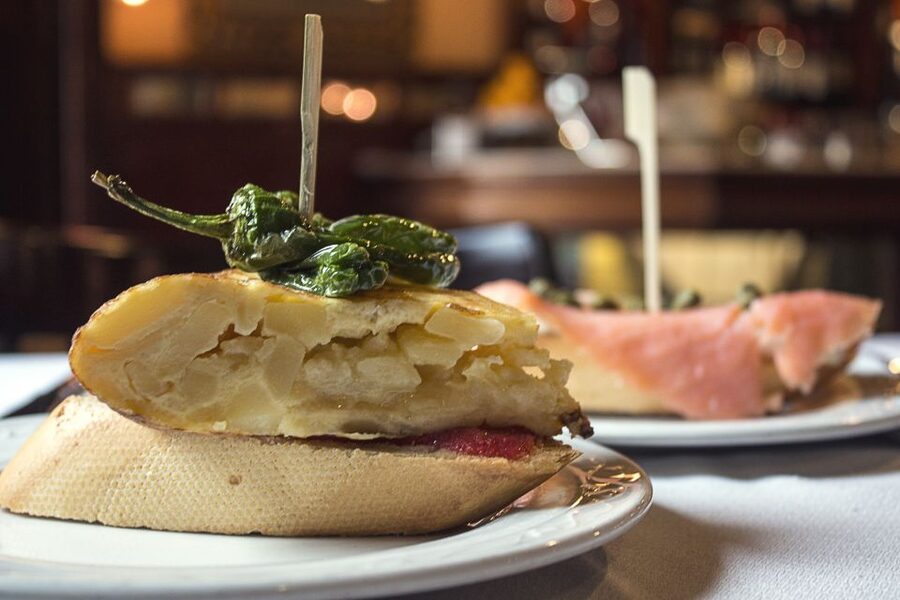
- The express route still covers the classics: Spanish omelet, Manchego, patatas bravas, Padrón peppers, a pastry, and the squid sandwich.
- Small groups make the food stops work better: The full tour is limited to 12 people or fewer, so your guide can keep everyone involved.
- The history is part of the meal: You visit old taverns and a pastry shop with 170 years of history, not just anonymous restaurant counters.
- Come hungry and wear good shoes: Several people found the portions generous, and the route includes a fair amount of walking.
Why this Madrid food tour works
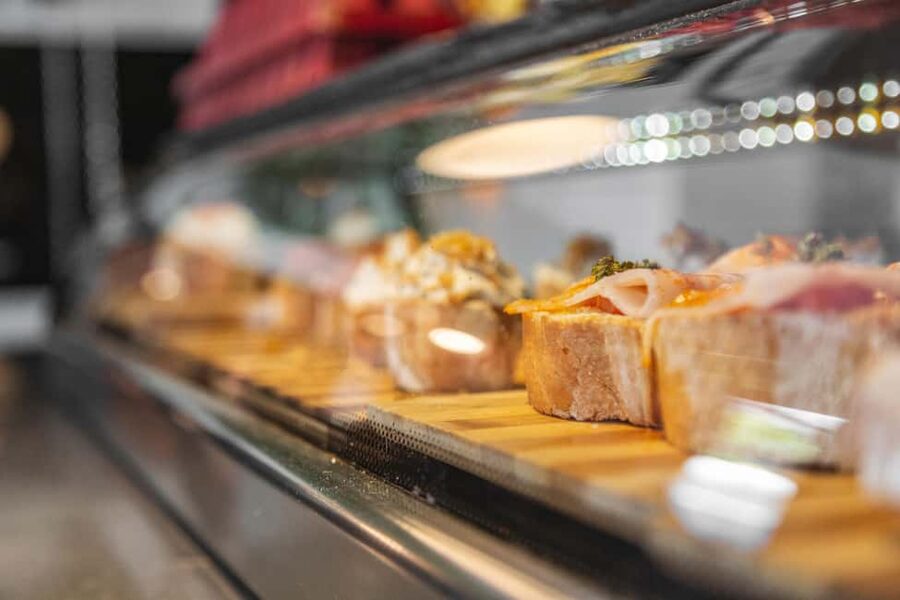
Madrid is a good city for a food tour because its most useful dishes are not hidden behind complicated menus. A tortilla española, a slice of Manchego, or a calamari sandwich gives you a quick lesson in local habits. The guide adds the context, helping you understand what you are eating and where it fits into Madrid life.
The tour takes place around the Historic Centre, where narrow streets lead to old taverns, pastry shops, and bars that have served their neighborhoods for decades. I like this approach because you are not simply seated in one restaurant for a long meal. You move between places, see part of central Madrid, and get a sense of how locals eat from one stop to the next.
At $60 per person, the price is reasonable if you choose the full route and make good use of the food and drink included. You are paying for several tastings, a guide, and access to places that may be hard to identify on your own. The two-hour option is a better fit if you want an introduction rather than a full meal.
More Food Tours in Madrid:
- Madrid Tapas & Taverns Small Group Food & History Tour
★ 5.0 · 2,664 reviews - Madrid: Food & Wine Tour with 10 Tapas & 4 Drinks Included
★ 4.9 · 984 reviews - Madrid Historic Centre Food Tour with Authentic Tapas & Wines
★ 5.0 · 814 reviews
Choosing between two hours and three
The three-hour food and culture tour is the better choice if food is a major reason for your Madrid visit. It includes eight or more tastings in a group of 12 people or fewer, plus more time for neighborhood stories and conversation.
You can expect seasonal pastries, the famous squid sandwich, premium Iberian ham, chorizo, salchichón, lomo, Manchego cheese, and a chef’s tapa of the day. There is also an olive oil tasting and a wider drink selection, including local wine, Spanish vermouth, sangria, beer, or soft drinks depending on the stop and selection.
The full route is not just longer for the sake of being longer. It gives your guide room to compare products and explain why cured meats, olive oil, and bar food matter in Spanish eating culture. It also gives you a better chance to ask questions or request restaurant suggestions for later in your trip.
The two-hour express tour is more focused. It makes a strong introduction for a first afternoon in Madrid, especially if you have limited time or already have dinner plans.
The express route includes a visit to a century-old tavern for Spanish omelet and Manchego cheese. You also try vegetables such as patatas bravas and Padrón peppers, then stop for the squid sandwich and a dessert from a pastry shop with 170 years of history.
I would choose the express option if you want a taste of Madrid without committing half an evening. I would choose the longer route if you want enough food to replace a meal and more time with the guide.
The Historic Centre, one bite at a time
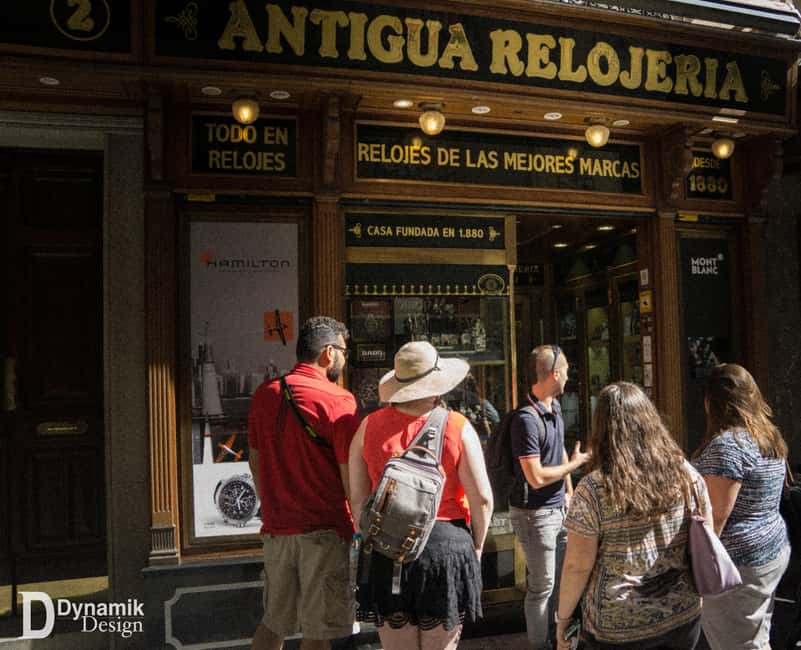
The walking route gives the tour its shape. You are not only moving from one plate to another. You are passing through Madrid’s older streets and learning how taverns, bakeries, and casual bars became part of the city’s daily rhythm.
The exact meeting point can vary by option, so check your booking details carefully. Pickup and drop-off are not included, which is normal for a walking food tour but worth noting if you are staying outside central Madrid.
The pace appears designed to keep the group moving without rushing the food. Several guide accounts describe the stops as well organized and well spaced, with enough time to eat, listen, and ask questions. Still, you should expect regular walking rather than a seated tasting session.
Comfortable shoes are essential. The tour is not suitable for wheelchair users or people with mobility impairments, and the route may include uneven historic streets. If stairs, long walks, or standing are difficult for you, ask about suitability before booking.
Stop one: Spanish omelet and Manchego
The Spanish omelet is one of the most useful foods to try early in your visit. Made with potato and onion, it is soft, filling, and far removed from the dry slices sometimes served outside Spain.
At the tavern stop, the tortilla is paired with Manchego, the firm sheep’s milk cheese associated with Castile-La Mancha. The pairing gives you two very different textures: the warm, tender omelet and the aged, savory cheese.
This is also a good point for your guide to explain regional food traditions. You can ask about how tortilla is prepared, how long Manchego is aged, and which foods you should order later during your stay.
More Guided Food Walks in Madrid:
- Madrid: Tapas & Wine Tasting Tour with Local Guide
★ 4.8 · 2,171 reviews - Madrid Tapas & Wine Tour with Rooftop Views and Local Guide
★ 5.0 · 2,047 reviews - Madrid: Highlights Guided Vintage Bike Tour and Tapas Option
★ 4.9 · 962 reviews - Madrid: Royal Palace Expert Guided Tour with Optional Tapas
★ 4.5 · 887 reviews
Stop two: patatas bravas and Padrón peppers
Patatas bravas are a Madrid bar classic. Fried potatoes are served with a spicy or seasoned sauce, making them a straightforward test of a tavern’s cooking.
Padrón peppers bring a different flavor. They are usually small, blistered, and mild, although an occasional pepper can carry more heat. The combination gives you a useful lesson in Spanish tapas: a dish can be humble, quick to serve, and still central to social eating.
These vegetable tapas also help balance the heavier foods later in the route. If you are concerned that a food tour will be nothing but meat and bread, this section gives you some variety.
Stop three: Madrid’s calamari sandwich
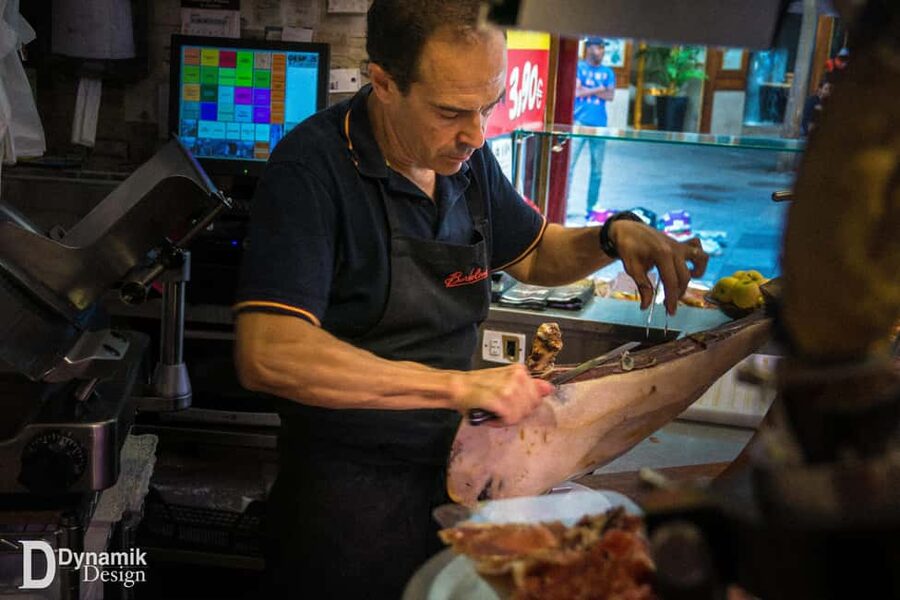
The squid sandwich is the tour’s most distinctive food stop. Madrid is inland, yet the city has made fried calamari in bread one of its best-known quick meals.
The sandwich is not delicate food. Expect fried squid, bread, and a satisfying amount of substance. It is the sort of snack that makes sense after walking through the center, especially with a simple drink.
This is also the dish most worth trying with an open mind. If you normally avoid seafood, the fried coating and sandwich format may make it approachable. If you already enjoy calamari, you get to try a food closely tied to Madrid’s central eating culture.
Bring an appetite. The sandwich is only one item among several, and the full tour includes enough food to leave you well fed.
Stop four: cured meats, olive oil, and the tapa of the day
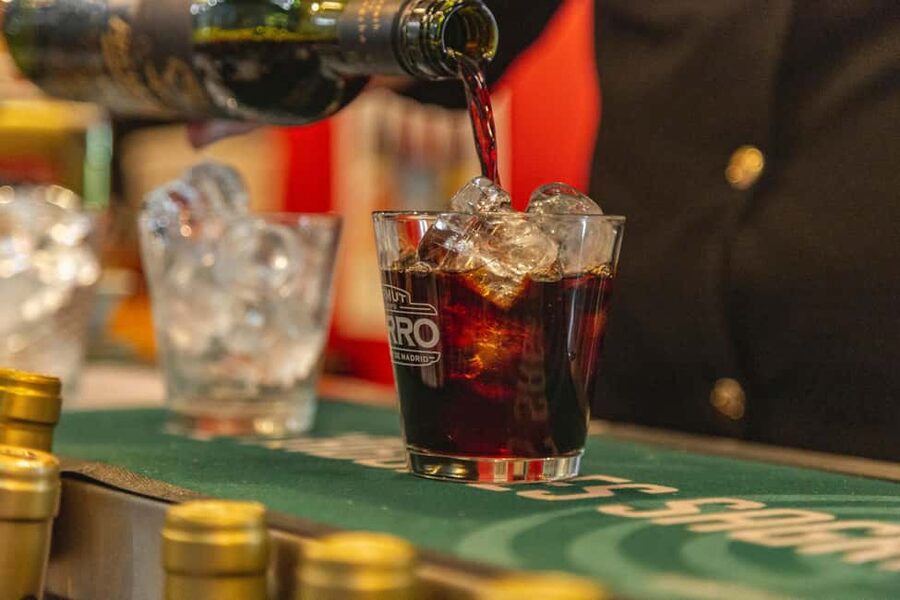
The three-hour route adds a broad selection of premium cured meats: Iberian ham, chorizo, salchichón, and lomo. This is where the longer option gains much of its value.
Rather than treating Spanish ham as a single category, the tasting lets you compare different preparations and textures. Your guide can explain what you are eating and help you notice the differences between the meats.
The olive oil tasting adds another useful comparison. Spain is one of the world’s leading olive oil producers, but supermarket labels can make it hard to know what you are buying. Sampling a premium extra virgin olive oil gives you a clearer sense of its aroma and finish.
The tapa of the day keeps the route flexible. It is a chef’s special in a local bar, so the exact dish depends on the location and availability. That uncertainty is part of the charm, though anyone with strict dietary limits should discuss them in advance.
Stop five: a historic pastry shop

The pastry stop provides a sweet change of pace. The express tour visits a bakery with 170 years of history, where you try one of its signature pastries or desserts.
A stop like this matters because Spanish food culture is not only about lunch and dinner. Sweets, coffee, hot chocolate, and pastries help define the rhythm of a day in Madrid.
The pastry shop also gives the guide another way to connect food with place. You are tasting something from a business with a long local story, rather than receiving a generic dessert chosen only for convenience.
Drinks and the Secret Dish
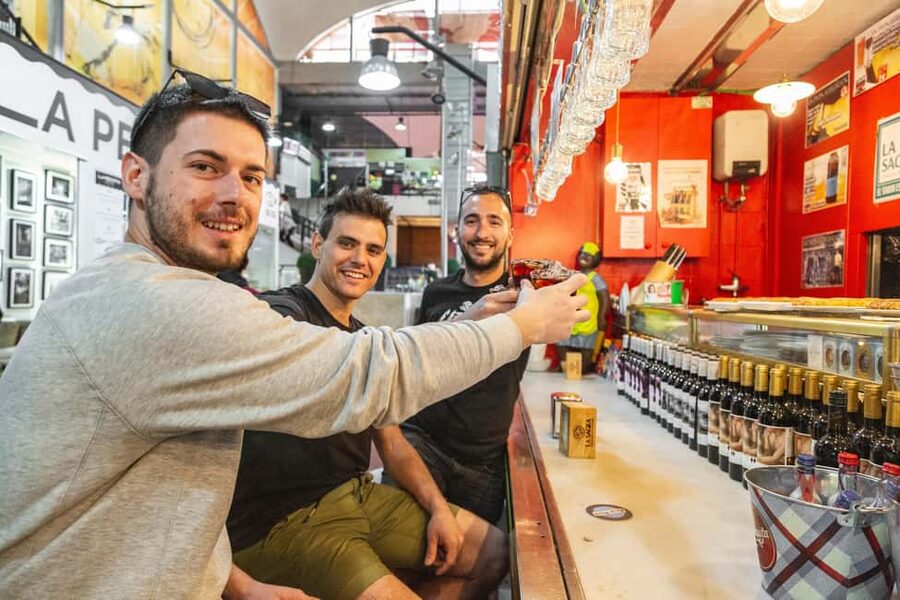
Drinks are built into both tour options. Depending on the stop and package, you may have local wine, Spanish vermouth, or soft drinks. The three-hour route adds choices such as sangria or local beer.
The drinks help you understand how Madrid’s food is normally enjoyed. Vermouth, in particular, is worth trying if you want something tied to Spanish aperitif habits rather than ordering the most familiar glass of wine.
Every tour ends with the Secret Dish. You are not told what it will be before the day, and the exact item can change along with the menu and venue availability.
That surprise gives the tour a playful finish. It also means you should not book this experience if you need to know every ingredient in advance. Tell the company about dietary requirements before the tour so the team has the best chance to accommodate you.
The guides make the difference
The strongest part of this experience is the guide. Jorge is repeatedly praised for combining food, history, humor, and personal attention. Jo, also known as Maria José, is described as warm and especially good at giving restaurant and nightlife suggestions tailored to individual interests.
Diego receives similar praise for creating a friendly group atmosphere while keeping the tour informative. Ari is also noted for helping people get oriented in the center and for pointing them toward useful places for later meals.
That matters because food tours can easily become a list of stops with little connection between them. Here, the guide is expected to explain the places, answer questions, and make sure everyone gets served.
Several people also received personalized advice for the rest of their Madrid visit. If you want recommendations, ask specific questions. You may get better help by explaining your budget, interests, and neighborhood plans rather than simply asking where to eat.
Group size, timing, and value
The full tour has a stated maximum of 12 people, which is a sensible size for crowded taverns and shared plates. A small group also lets you hear the guide and makes it easier to ask questions.
The experience lasts two to three hours, although some past outings ran longer. You should avoid scheduling a tight museum visit or train departure immediately afterward. Madrid’s food culture rewards lingering, and an old tavern may not serve a group at the exact speed of a fast-food counter.
The $60 price works best for people who value variety and local explanation. Buying each item separately could cost less if you choose only modest snacks, but you would not get the same sequence of stops, the guide’s commentary, the Secret Dish, or the full spread on the longer route.
The value is weaker if you eat very little, do not drink alcohol, or already know Madrid’s classic foods well. In that case, the express route may be enough, or you may prefer to explore independently.
Who should book this experience
I would recommend the tour to first-time Madrid visitors who want quick orientation through food. It is also a good choice for solo visitors and couples who enjoy meeting people from different countries without joining a very large group.
Families with older children may find the short route appealing. One past group included teenagers who enjoyed the food and stories, though tastes vary and young children may not appreciate every stop.
Food lovers should choose the three-hour option. The extra cured meats, olive oil, tapa, drink choices, and Secret Dish make it feel like a proper introduction rather than a brief sampling.
I would be cautious if you have major mobility limitations, strict dietary restrictions, or a dislike of standing and walking. The menu changes, and not every substitution can be guaranteed.
Should you book the Madrid food tour?
Book it if you want Madrid explained through its everyday foods rather than through a formal cooking class. The best reasons are the small group, the old taverns, the strong guides, and the mix of familiar Spanish staples with a few distinctly Madrid bites.
Choose the three-hour route if you arrive hungry and want food to replace a meal. Choose the two-hour route if you need a compact introduction before sightseeing or dinner.
The main advice is simple: come hungry, wear comfortable shoes, tell the company about dietary needs early, and leave room in your schedule afterward. At $60, this is a solid way to get your bearings in Madrid’s Historic Centre while eating well and learning where to return later.
FAQ
How long does the Madrid food tour last?
You can choose between a two-hour express food tour and a three-hour food and culture tour. Actual timing can vary because the menu, venues, and conditions may change.
What food is included?
Both options include a Madrid squid sandwich, Spanish omelet, patatas bravas, Padrón peppers, Manchego cheese, a pastry from a historic bakery, and the Secret Dish. Drinks such as local wine, Spanish vermouth, or soft drinks are also included.
What extra food comes with the three-hour option?
The longer tour adds Iberian ham, chorizo, salchichón, lomo, a tapa of the day, and a premium extra virgin olive oil tasting. It also includes additional drink choices such as sangria or local beer.
Is the tour offered in English?
Yes. The tour has a live English-speaking guide.
Is hotel pickup included?
No. Pickup and drop-off are not included. The meeting point may vary depending on the option you book.
Is the tour suitable for people with mobility impairments?
No. The experience involves a fair amount of walking and is not suitable for people with mobility impairments or wheelchair users. Comfortable shoes are recommended.
Just added around Madrid
- Try Madrid Best Churros, Tapas & Market by FLT★ 5.0 · 37 reviews
- Private Wine & Gourmet Tapas Tour in Madrid with Sommelier★ 5.0 · 49 reviews
- Madrid Food Tour – Tapas Walking Tour★ 5.0 · 3 reviews
- Madrid: Private Tapas & Wine Food Walking Tour in La Latina★ 5.0 · 4 reviews
- Culinary tour “Tapas & Wines” in Madrid★ 5.0 · 3 reviews
- Tasting Madrid: Tapas Private Guided Tour (Customizable)★ 5.0 · 7 reviews
- Guided Tapas and Flamenco in Madrid★ 4.5 · 21 reviews
- Flamenco show & tasting Tapas with panoramic views in Madrid★ 4.5 · 6 reviews
Guided, compared.
Madrid Tapas & Wine Tour with Rooftop Views and Local Guide
Read our review →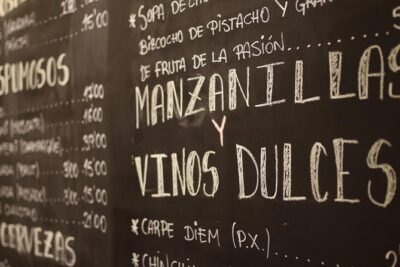

3 h. Guided Highlights Bike Tour with Optional Tapas
Read our review →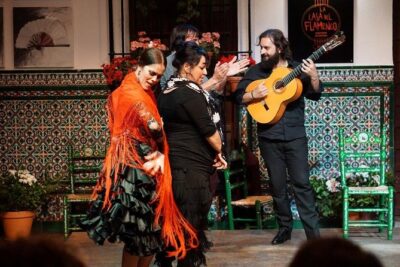
Authentic Flamenco Show with Tapas & Wine Guided Tour
Read our review →
Highlights Guided Vintage Bike Tour and Tapas Option
Read our review →
Royal Palace Expert Guided Tour with Optional Tapas
Read our review →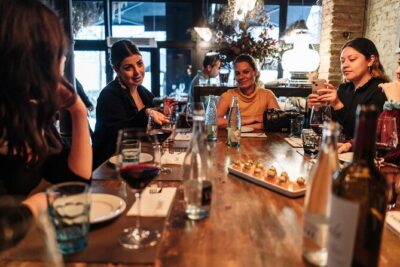
Browse the lists this tour appears in