
Review · LISBON
Tapas And Tascas: Private Food Tasting Experience In Lisbon
Lisbon tastes best one small bite at a time. This four-hour private walk pairs Alfama, Mouraria, and Baixa with local food, drink, and stories, so you get more than a meal stop. I like the personal planning, and I like that guides such as Ricardo and Ann Elise have shaped walks around each group’s interests. The main catch is that food, drinks, and attraction tickets cost extra.
You begin at Praça do Comércio and may finish near Miradouro da Senhora do Monte before returning to the meeting point. Expect hills, narrow lanes, and a flexible route rather than a fixed restaurant crawl. At $189.84 per person, the price makes the most sense for couples or small groups who value a private guide and tailored advice.
Key points at a glance
- Six to eight tastings: Expect Portuguese specialties such as cheese, cured meats, pastel de bacalhau, and pastel de nata.
- Three central districts: The route connects Praça do Comércio, Baixa, Alfama, and Mouraria, with the exact plan shaped around your interests.
- Private guide: Only your group takes part, which gives you room to ask questions and adjust the pace.
- Drinks are extra: Ginjinha, sangria, port, coffee, and other drinks may be part of the experience, but you pay for food and beverages separately.
- A walking tour with hills: Public transportation or a taxi may be used between sites, with those costs also extra.
- Strong guide-dependent experience: Ricardo, Ann Elise, and Bernardo each received praise for personal attention, local suggestions, and cultural context.
What this Lisbon food walk is really offering
This is not a standard food tour where everyone follows a locked schedule and eats at a set list of restaurants. After booking, you receive a short questionnaire about your interests, preferences, and must-sees. Your host then creates a route that may lean more toward food, history, local life, or cultural sights.
That flexibility is the central reason to book. If you want to know where to eat for the rest of your Lisbon stay, say so. If you care about traditional dishes and the stories behind them, make that clear. If you are interested in fado, old neighborhoods, or less touristy stops, include those details before the walk.
The private format also changes the mood. You do not need to keep pace with a large group or wait while strangers decide what to order. You can ask why cod appears so often in Portuguese cooking, how a pastel de nata is made, or what makes a tasca different from a formal restaurant.
Still, flexibility has a downside. The experience depends heavily on the host assigned to you and on how clearly you explain your goals. One past participant enjoyed the walk but felt the food was limited and the explanations did not go far enough. That is useful advice: tell the company that tasting quantity and food knowledge matter to you, not just sightseeing.
More Food Tours in Lisbon:
- Lisbon Food Tour with 10+ Tastings of Local Delicacies & Wines
★ 5.0 · 1,339 reviews - Food Tour: Portuguese wine & Tapas with Ginjinha Tasting
★ 3.8 · 67 reviews - Barcelona: Tapas Walking Tour with Food, Wine, and History
★ 4.8 · 4,261 reviews
Starting at Praça do Comércio and Rua Augusta
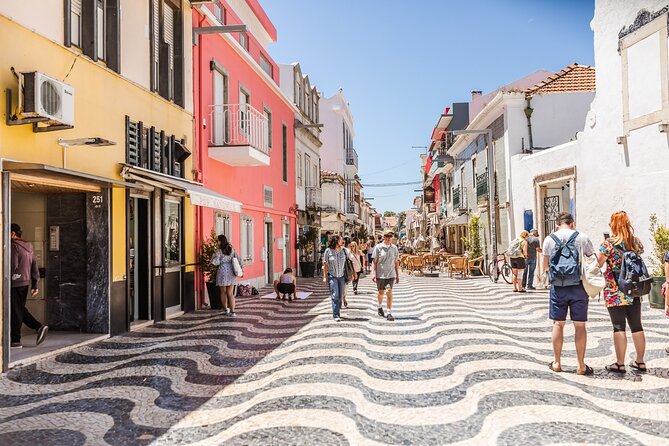
The tour starts at Praça do Comércio, the broad waterfront square that opens toward the Tagus River. It is an easy place to find, close to public transportation, and a sensible point for a first orientation to Lisbon.
Your host may begin with a bica, the Portuguese name for a small espresso, or a sweet from a nearby pastelaria. This first taste is modest, but it sets the tone. You are introduced to the everyday café culture that shapes Lisbon mornings, quick breaks, and long conversations.
From the square, the route continues along Rua Augusta, the pedestrian street leading inland through Baixa. Your guide can explain the role of Lisbon’s cafés and pastry shops while you get your first look at the city’s central grid.
This opening section is useful if you have just arrived. It gives you a basic sense of how the waterfront, commercial center, and older hill districts fit together. It also offers a practical chance to tell your host what you want more of during the remaining hours.
Do not expect the opening stop to fill you up. The experience includes several tastings, but it is better viewed as a sequence of samples than as four hours of full meals.
Alfama’s narrow lanes and codfish cakes
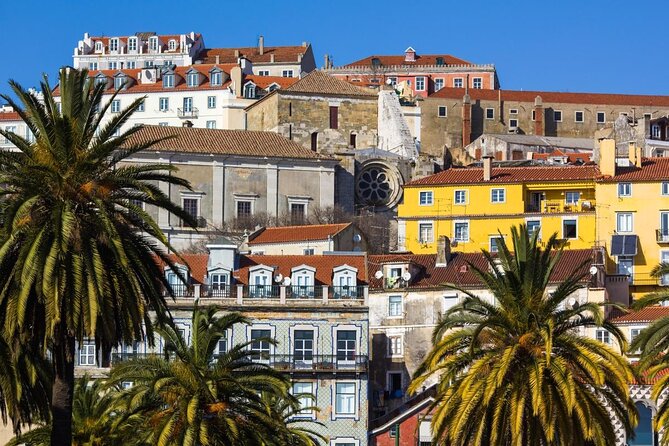
The walk then heads into Alfama, one of Lisbon’s oldest districts. Here, the streets narrow, the route turns uphill, and the city feels very different from the orderly blocks of Baixa.
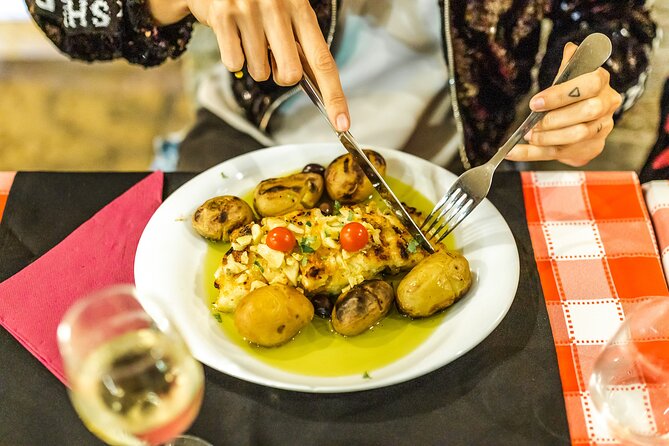
A stop at a traditional tasca on Largo de São Miguel may include pastel de bacalhau, or codfish cakes, along with regional cheeses. These are good foods to sample with a guide because the value is not only in the bite. You can ask about preparation, ingredients, and the place of cod in Portuguese food traditions.
The cod cakes are usually a compact snack, not a large serving. That matters if you are expecting a full lunch. Think of the stop as a chance to compare textures and flavors while learning how a familiar Portuguese dish is prepared.
The route may continue along Rua dos Remédios, where your host points out local eateries and talks about Alfama’s connection with fado. Food and music belong together here. You are not simply moving between restaurants, you are seeing how neighborhood life, small dining rooms, and evening singing fit into the character of the district.
Alfama is also where the physical demands become clearer. Lisbon’s hills and uneven streets can make a four-hour walk tiring, especially in warm weather. The tour is suitable for most people, but you should wear comfortable shoes and be ready for uphill sections.
Mouraria, drinks, and Lisbon’s everyday flavors
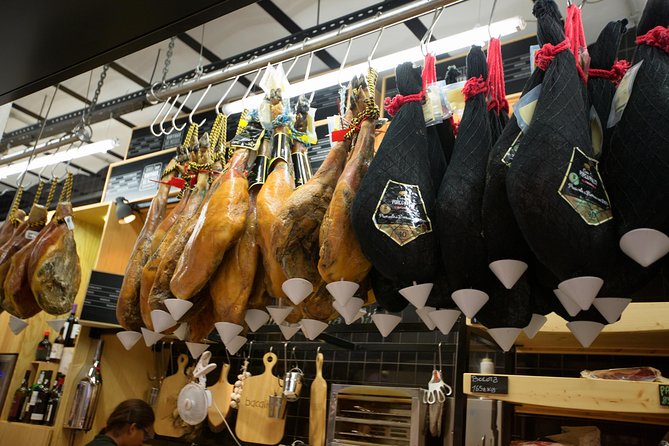
Mouraria adds another layer to the route. The district is included as one of the main food neighborhoods, though the precise stops depend on your host and questionnaire.
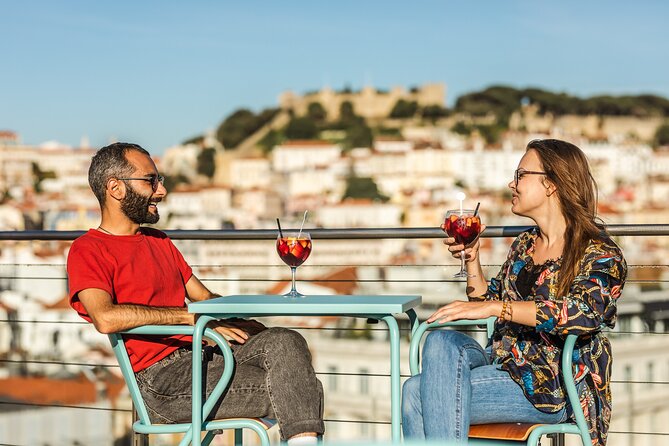
Possible drinks include ginjinha, sangria, and port wine. Ginjinha is especially tied to Lisbon’s casual drinking culture, often served in a small glass. Port offers a different experience, with a stronger connection to Portugal’s wine traditions. Sangria brings a lighter, more relaxed option.
These drinks can make the tour feel social, but remember that they are not included in the listed price. The same applies to the food. Ask your host early about expected spending so the final bill does not surprise you.
The best part of having a private host here is the ability to slow down around the foods you actually care about. You might ask for more savory tastings, focus on sweets, or choose a lighter route if you have already eaten. You can also request practical recommendations for later meals.
Bernardo, for example, was praised for combining Portuguese history with stops at three charming places in the old city. He also offered a useful sandwich suggestion. That small detail shows the kind of advice that can matter more than a long list of famous restaurants. A good guide helps you decide what to eat next, not just what you are eating now.
A few more tapas tours around Lisbon worth a look
- Lisbon: Tapas & Drinks with Fado Live Performance
★ 4.6 · 749 reviews - Lisbon: Fado Vadio Tour with Portuguese Tapas
★ 4.7 · 151 reviews - Lisbon: Premium Wine and Tapas Tasting Session
★ 4.8 · 116 reviews - A True Taste of Lisbon: Portuguese Tapas, Wine & Surprise Drink
★ 4.5 · 110 reviews
Pastel de nata and the sweet side of Lisbon
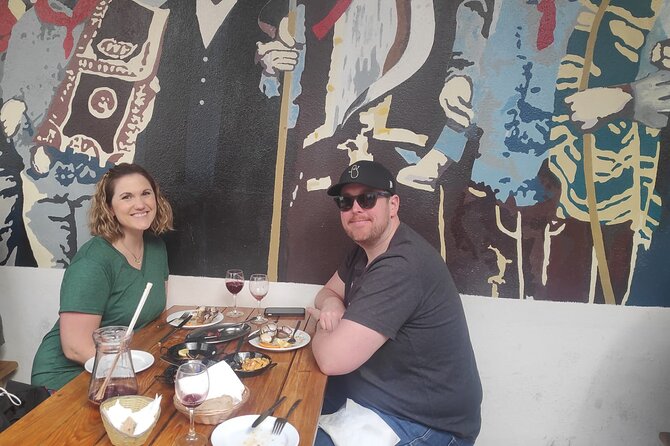
Pastel de nata is one of the expected highlights. The small custard tart has a crisp pastry shell and a sweet, creamy center. It is familiar to many visitors, but tasting it in the context of Lisbon’s pastry culture gives it more meaning.
Your guide may explain how the tart is made and why pastelarias are such an important part of daily life. The experience is not a baking class, and the exact shop is not guaranteed, so keep your expectations practical. You are sampling a local classic, not receiving a detailed pastry workshop.
The combination of pastel de nata with coffee works well as an early or mid-tour pause. It also gives you a useful benchmark for the rest of your trip. If you find a version you love, ask your host where to return for another one.
The food list can also include cured meats and additional cheeses. These provide variety after the codfish cake and before the final savory stop. Since the tour promises six to eight tastings, you should receive a reasonable range, but the size of each portion may vary.
That distinction is important. One participant felt the food was minimal, while other accounts praised the selection and variety. The safest way to avoid disappointment is to treat this as a tasting walk with light snacks, not a four-course meal.
Ending at Senhora do Monte

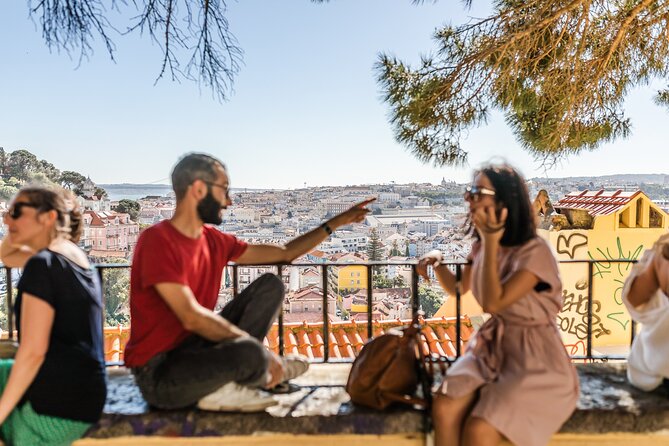
A suggested final stop is Miradouro da Senhora do Monte, Lisbon’s highest viewpoint. From here, you can look over the rooftops and toward the Tagus River while enjoying a final petisco or light snack.
The viewpoint gives the tour a pleasant finish. After several hours in narrow streets, the open view helps you understand Lisbon’s steep layout and the scale of the neighborhoods you have crossed. It is also a good setting to ask your host for last-minute restaurant and sightseeing suggestions.
The final food may be simple, but the setting adds value. You are ending with a view rather than rushing straight into another restaurant. If you are tired from the hills, however, the climb to the viewpoint may feel like a demanding finale.
There is also a small logistical wrinkle. The published meeting point is Praça do Comércio, and the activity is described as ending back there, while the suggested route finishes at Senhora da Monte. Since the itinerary is personalized, confirm the exact end point with your host. Public transportation or a local taxi may be used between places, and those costs are not included.
How much value do you get for $189.84?
At $189.84 per person, this is a costly food walk if you judge it only by the number of bites. The price does not cover the food, drinks, tickets, public transportation, taxis, or gratuity. For two people, the total can rise quickly once tastings and drinks are added.
The value comes from privacy, planning, and local guidance. You are paying for a four-hour host who can build the route around your interests, explain what you are eating, and give suggestions for the rest of your stay. That can be worthwhile during a first visit, especially if you want help getting oriented in Alfama, Mouraria, and Baixa.
It is less appealing if your main goal is quantity. A cheaper market visit or group food tour may give you more food for less money. This experience suits you better if you want conversation, flexibility, and a personal introduction to Lisbon’s eating habits.
Group discounts may improve the price for a larger private party. Since only your own group participates, the cost can feel more reasonable when shared among several people. Confirm the discount and the likely tasting budget before you reserve.
The guide makes or breaks the experience
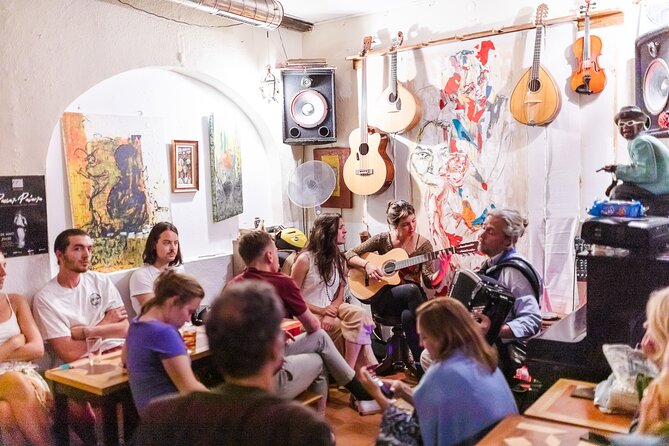
This tour has received a mixed overall score of 3.7 from seven ratings, so you should not assume every host delivers the same level of food knowledge. The most positive experiences center on guides who listen, adapt the route, and make the food part of a wider cultural walk.
Ricardo was praised for shaping the route around cultural interests and authentic Portuguese dishes. He also made walking Lisbon’s hills feel easier through his manner and personal attention. Ann Elise was singled out for making the outing a memorable start to a Lisbon visit, with a selection and variety that matched the group’s hopes.
Those details point to the qualities you should seek: a guide who explains dishes clearly, chooses varied stops, and responds to your interests. Use the pre-tour questionnaire carefully. Mention allergies or dislikes if relevant, and say plainly if you care more about food than monuments.
A weaker guide can turn the same format into a pleasant walk with only a few snacks. A stronger one can give you a useful map of the city’s eating culture and leave you with practical places to try later.
Who should book this private food experience?
I would recommend it most strongly to:
- Couples who want a relaxed, private introduction to Lisbon’s food culture
- Small families or friend groups with different food interests
- First-time visitors who want restaurant suggestions for the rest of their stay
- People who enjoy history, neighborhood walks, and small tastings together
- Anyone who prefers a flexible route to a fixed group schedule
I would be more cautious if you want a large meal, a low-cost activity, or a precise list of guaranteed restaurants. It may also be a poor fit if hills are difficult for you, since Alfama and the route to Senhora do Monte require walking on steep and uneven streets.
Service animals are allowed, the meeting point is near public transportation, and most people can participate. The experience is not wheelchair-specific, however, and no private vehicle is included.
You can cancel for a full refund up to 24 hours before the start time. Changes or cancellations inside that window are not accepted, based on local time.
Should you book Tapas And Tascas?
Book this tour if you want a private, adjustable food walk and are willing to pay separately for tastings and drinks. The best outcome comes from sharing clear interests before the tour and asking for a host with strong food knowledge.
Skip it if you want the most food for your money or need a guaranteed restaurant-by-restaurant schedule. The experience can be excellent with a host such as Ricardo or Ann Elise, but the mixed score and one complaint about limited food show that the guide matters greatly.
For a first or second day in Lisbon, the timing is especially useful. You get an introduction to codfish cakes, cheese, cured meat, pastel de nata, Portuguese drinks, old neighborhoods, and viewpoints, then leave with ideas for where to eat next.
FAQ
How long does the Tapas And Tascas experience last?
The private walking tour lasts approximately four hours.
Where does the tour begin?
It begins at Praça do Comércio, 1100-148, Lisbon, Portugal.
Where does the tour end?
The activity is described as ending back at the meeting point. Because the suggested route includes Miradouro da Senhora do Monte and may use public transportation or taxis, confirm the exact end point with your host.
What food and drinks may be included?
Possible tastings include local cheeses, cured meats, pastel de bacalhau, pastel de nata, and petiscos. Drinks may include ginjinha, sangria, port wine, and coffee.
Are food and drinks included in the price?
No. Food, drinks, attraction tickets, transportation, and gratuities are not included in the listed price.
Is this a private tour?
Yes. Only your group participates, and the route is planned with a local foodie host after you complete a short questionnaire.
Can I cancel the booking?
You can cancel for a full refund at least 24 hours before the experience begins. Cancellations or changes made less than 24 hours in advance are not accepted.
Just added around Lisbon
- Private Tuktuk Tour with Portuguese Tapas and Wine★ 5.0 · 33 reviews
- Private tapas tuk tuk tour through Lisbon★ 5.0 · 12 reviews
- Urban winery tour, premium tasting flight & tapas★ 5.0 · 4 reviews
- Premium Lisbon Wine and Tapas Tasting★ 5.0 · 20 reviews
- Sintra Cascais (Wine and Tapas) 4X4 Land Rover Panoramic Private Tour★ 5.0 · 36 reviews
- Arrábida Palmela Azeitão Private Tour – W/ Wine Tasting & Tapas★ 5.0 · 6 reviews
- Premium Lisbon Port Wine and Tapas Tasting★ 5.0 · 12 reviews
- Private Lisbon Tour with Premium Portuguese Wine and Tapas Tasting★ 5.0 · 33 reviews
Lisbon Tapas Tours, compared.
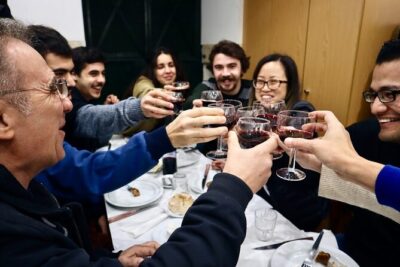
Lisbon Food Tour with 10+ Tastings of Local Delicacies & Wines
Read our review →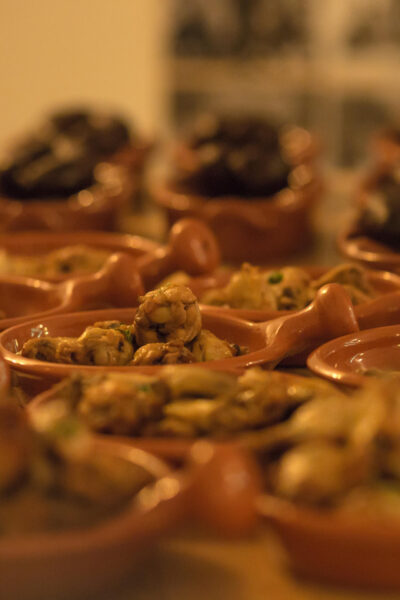
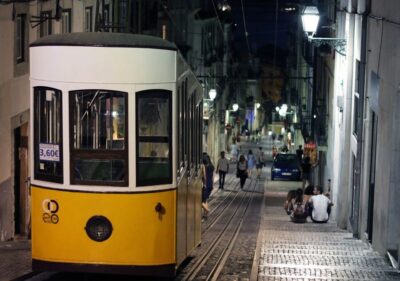
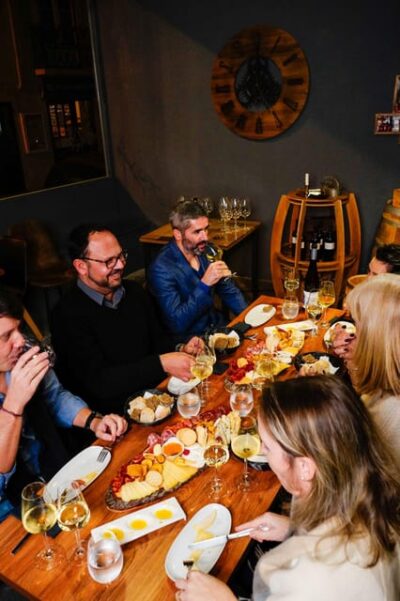

A True Taste of Lisbon: Portuguese Tapas, Wine & Surprise Drink
Read our review →
Food Tour: Portuguese wine & Tapas with Ginjinha Tasting
Read our review →
Private Lisbon Walking Tour with Premium Port Wine and Tapas Tasting
Read our review →
Browse the lists this tour appears in