
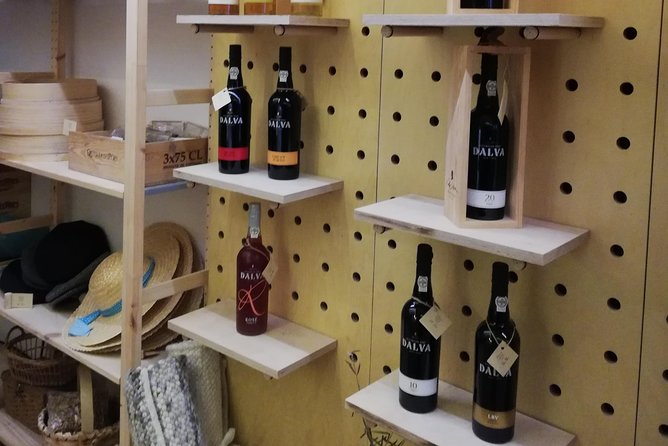
Review · PORTO
3 table wines & 5 Port wines + Tapas
Port wine tastes better with a story. This private Porto walk pairs three table wines, five Port wines, and tapas with old streets, river views, and local history. I like the small-group format, and I like that guides such as André, Bernardo, and Sara bring their own knowledge of Porto to the afternoon. The main caution is that the experience may not always match the advertised plan of visiting three wine houses.
You begin at Porto Cathedral and finish in Vila Nova de Gaia, so the route gives you a useful introduction to both sides of the river. I especially like the stop on Rua de Sant’Ana, where wine comes with regional food, and the relaxed pace praised by several guests. Still, if your chief goal is a formal cellar tour, confirm the exact program before booking.
Key points to know before booking
- Three table wines and five Ports: The tasting is designed to show the difference between northern Portuguese table wines and fortified Port.
- A private walk through Porto: Only your own group takes part, giving you room to ask questions and set the pace.
- Start at Porto Cathedral: The route begins at one of the city’s best orientation points and moves through medieval streets toward the river.
- Finish in Vila Nova de Gaia: The final tasting takes place at Lado Wines, across the Douro from Porto.
- Tapas are part of the experience: Food pairings help make the tasting feel like a small meal, not just a series of glasses.
- Check the exact wine-house plan: Some people received two tasting stops rather than visits to three wine houses, so expectations matter.
A private introduction to Porto through wine
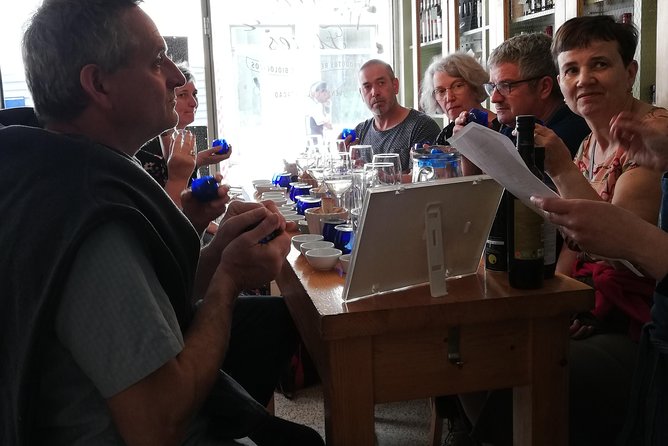
This is part walking tour, part tasting, and part city orientation. It lasts about two to three hours, which is long enough to cover Porto’s center without consuming your entire day.
The private format matters. You are not trying to keep up with a large group or waiting for strangers to finish a glass. You can ask about a wine, a street, the Jewish quarter, the Douro River, or the difference between tawny and ruby Port. The guide can also spend more time on the subjects that interest you most.
That personal element received some of the strongest praise. André was described as feeling more like a good friend than a formal guide, while Bernardo was praised for his passion for his native city and his interest in history. Sara was also described as a warm host. Since guides can vary, your experience may have a different personality, but the private setup gives the afternoon a friendly feel.
The price is $78.60 per person. That is not a bargain-priced wine tasting, but it can be fair if you value a private guide, a walking introduction to Porto, food pairings, and eight pours. It is less attractive if you are paying mainly for access to several famous Port cellars and a formal production tour.
Alcoholic drinks are included. All fees and taxes are not included, so check the final booking total carefully. Group discounts may help if you are booking for several people.
More Tapas and Wine Tours in Portugal
- Porto: Wine Tasting with Tapas Walking Tour
★ 4.4 · 1,541 reviews - Lisbon Food Tour with 10+ Tastings of Local Delicacies & Wines
★ 5.0 · 1,339 reviews - Wine Tasting with Tapas Walking Tour in Porto
★ 4.5 · 544 reviews
Starting at Porto Cathedral
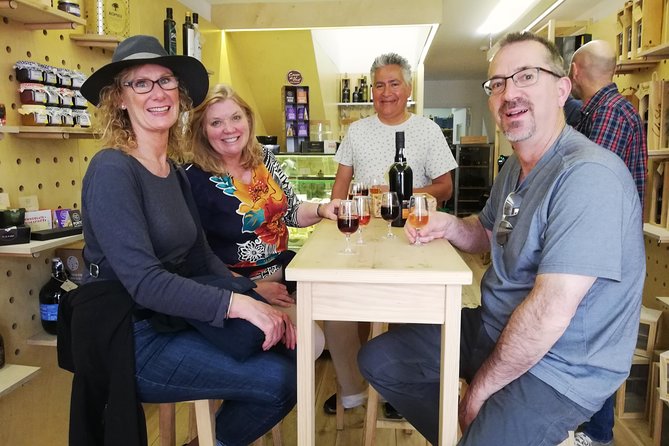
The meeting point is in front of Porto Cathedral, facing the main facade. This is a sensible place to begin because the cathedral sits high above the old center and gives the guide a natural place to explain Porto’s layout.
The opening introduction lasts about 10 minutes. You can expect an overview of the city and a preview of the wine-focused route. Admission to the cathedral itself is not included, so this experience should not be treated as a cathedral visit.
The cathedral meeting point is also practical for anyone already sightseeing in the historic center. Pickup may be available from a Porto hotel, and you can ask to arrange another meeting point. Do not assume pickup is automatic, though. Confirm it when you book.
From here, the walk heads into older streets. Porto is hilly, and the route includes walking between the cathedral, Ribeira, the bridge, and Gaia. The published details do not give a total walking distance, so wear comfortable shoes and expect some uneven or sloping streets.
Rua de Sant’Ana and the first wine tasting
Rua de Sant’Ana is one of the older medieval streets in Porto. It was also connected with one of the city’s former Jewish quarters, which gives the first tasting a useful sense of place.
This stop lasts about 45 minutes. It is where you begin tasting regional wines and products from Porto and northern Portugal. The guide explains each tasting rather than simply putting glasses on the table, so you get a chance to connect the flavors with the region.
I like this part because it avoids starting with Port alone. Many people arrive in Porto knowing the name Port but not much about the dry table wines made in the north. Tasting both styles helps you understand that northern Portuguese wine culture is broader than the famous fortified drink.
Food is important here. The pairings give you something to eat while you taste, and they also make the wine easier to understand. One person specifically praised the educational tastings and the food matches. Another enjoyed meandering through the medieval streets and stopping at a local shop along the way.
The exact food selection is not specified, so do not book this as a full lunch. Think of the tapas as a generous accompaniment to the wine.
Ribeira and the story of Port on the river
The walk continues toward Praça da Ribeira, one of Porto’s main riverfront squares. This is where the story turns from the city’s streets to the movement of Port itself.
The guide explains how Port wine arrived by rabelo boats along the Douro River. These traditional boats carried wine toward Vila Nova de Gaia, where it was stored in the cellars. From the Ribeira waterfront, you can look across the river and see the Gaia side, where many of the major Port names are located.
The route points out brands such as Cálem, Sandeman, Kopke, and Graham’s. This is useful context before the final tasting. You begin to see why Porto and Gaia function as two connected parts of the Port trade, even though they are separate municipalities on opposite sides of the river.
The stop is listed as about 45 minutes, though that time includes the walk and commentary rather than a dedicated tasting. If you want a long pause for photographs, tell your guide. A private tour usually gives you more flexibility than a fixed group schedule.
One possible weakness is that the experience may feel like a city walk with wine added, rather than a traditional wine tour from the beginning. That is a plus if you want history and orientation. It is a drawback if you have already toured central Porto and want to spend nearly all your time inside cellars.
Same city, a different plate:
- Lisbon: Tapas & Drinks with Fado Live Performance
★ 4.6 · 749 reviews - Lagos: Ponta Piedade Sail & Caves Cruise w/Portuguese Tapas
★ 4.8 · 360 reviews - Porto Wine Tasting Experience with Portuguese Tapas Plate
★ 4.7 · 356 reviews - Albufeira/Vilamoura: Winery Tour with Wine Tasting and Tapas
★ 4.7 · 336 reviews
Crossing the Luís I Bridge
The Luís I Bridge is the visual high point of the route. Designed by a student of Gustav Eiffel and completed in 1886, it is one of Porto’s best-known landmarks.
The listed stop lasts about 13 minutes. You cross toward Gaia, where the Port cellars are located. The bridge links the sightseeing part of the experience with the tasting that comes later, so it is more than a photo stop.
The route description does not specify which level of the bridge you use. Ask your guide if the crossing matters to you, especially if you want a particular view. The bridge area can also be exposed and busy, so keep your belongings secure and follow the guide’s instructions.
This short stop works well in the overall rhythm. You have tasted northern wines, heard how Port moved along the Douro, and now physically cross into the place associated with its aging and storage.
Five Ports at Lado Wines
The final stop is Lado Wines in Vila Nova de Gaia. The tasting includes five Port wines per person and lasts about 45 minutes. This is the most focused wine portion of the afternoon.
Five pours give you room to compare different Port styles rather than judging the drink from a single sample. Listen for the guide’s explanation of color, sweetness, age, and serving style. If you are new to Port, ask questions as you go. The private format is especially useful here because you can ask why one style appeals to you more than another.
Tawny Port received a specific mention as a pleasant discovery for someone who had not expected to like it. That is a good reason to keep an open mind. Port is not one single flavor, and a style that seems too sweet or heavy at first may taste quite different when paired with food.
Tapas are served with the Port tasting. This makes the stop feel more complete and slows the pace. You are not expected to rush through five glasses. Still, the amount and exact dishes are not stated, so I would not count on a full meal.
There is an important point to clarify before you pay. Some people received a walking tour, an initial tasting, and a final venue with five Ports and tapas, but not visits to three separate wine houses. Another person specifically expected a Port house in Gaia and did not receive that kind of cellar visit.
The operator explained that the experience combines a cultural walk with several tastings. That may be perfectly suitable for you, but the distinction matters. A tasting at Lado Wines is not automatically the same as touring production rooms or multiple historic cellars.
What the strongest experiences have in common
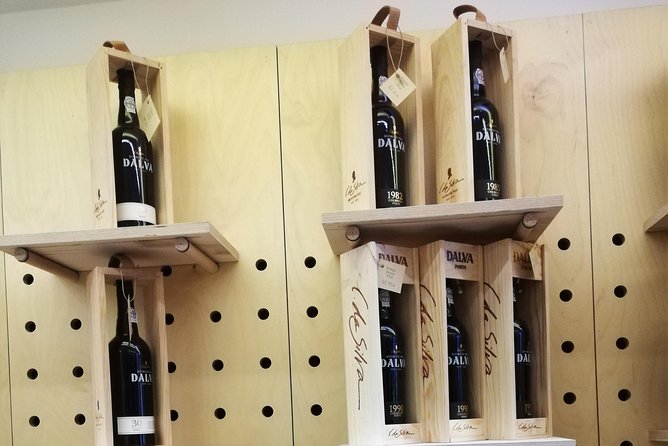
The best part of this tour is the guide’s role. A private wine walk succeeds when the person leading it can connect the glass in front of you with the street under your feet.
André received especially warm praise for his personal approach, strong knowledge of the area, and unhurried manner. Bernardo was appreciated for his enthusiasm for Porto and its history. Sara was called a lovely host even when the route did not match one person’s expectations. These comments point to a relaxed, human style rather than a formal lecture.
The food also matters. The combination of regional products, tapas, table wine, and Port gives the outing more substance than a tasting with no snacks. You get cultural context, but you also get a chance to sit, eat, and talk.
The tour also suits a short stay in Porto. In two or three hours, you get an introduction to the cathedral area, medieval streets, Ribeira, the river crossing, and Gaia. I would place it early in your visit if you want help understanding the city. That way, the guide’s explanations can give later sightseeing more meaning.
Important limitations to weigh
The biggest concern is the gap between the planned description and what may be delivered. The experience is presented around three table wines, five Ports, tapas, and three wine houses. Some participants instead had two tasting locations and a longer cultural walk.
That does not mean the walk is poor. In fact, the walking portion was praised for its history, food, and personal guidance. But you should choose this only if you are comfortable with a flexible cultural tasting, not if you require a fixed cellar itinerary.
The meeting and ending points also require planning. You start at Porto Cathedral and finish on Avenida de Diogo Leite in Gaia, at a Port wine cellar. You will not return automatically to your hotel. Since the experience ends across the river, allow time to continue sightseeing in Gaia or make your own way back to Porto.
The tour is offered in English and has a mobile ticket. It is near public transportation, and most people can participate. The information does not give a detailed accessibility assessment, so ask in advance if steep streets, bridge crossings, or uneven surfaces may be difficult for you.
Free cancellation is available until 24 hours before the start time. Changes made inside that window are not accepted, and late cancellations are not refunded. Poor weather or failure to meet the minimum number of participants can also lead to a new date or a full refund.
Who should book this Porto wine walk?
I would recommend it to a couple, family, or group of friends who want a private introduction to Porto with wine built into the day. It works particularly well for people who enjoy history, local food, and conversation as much as they enjoy tasting.
It is also a good fit if you are new to Port. The route gives you a simple explanation of how the wine connects Porto, the Douro, rabelo boats, and Gaia. The five-Port tasting then lets you compare styles at the end.
I would be more cautious if you have already done a detailed Porto walking tour. In that case, the city commentary may feel repetitive, and you may want a dedicated cellar visit instead.
Before booking, send one clear question: Will our group visit three wine houses, or will we have a city walk followed by tastings at one or two venues? The answer will tell you if the experience matches your priorities.
Should you book it?
Book this experience if you want a private, social tasting walk with Porto history, medieval streets, tapas, and a final flight of five Ports. The guides can make it personal, and the combination of table wine and Port gives beginners a useful range.
Skip it if your main goal is a formal tour of three Port cellars. For the price, you should know exactly what kind of tasting route you are buying. If you confirm the plan first and value the city walk as much as the wine, this can be a pleasant and well-paced introduction to Porto.
FAQ
How long does the experience last?
It lasts approximately two to three hours.
How much does the tour cost?
The listed price is $78.60 per person.
How many wines are included?
The experience includes three table wines and five Port wines.
Is food included?
Yes. Regional products and tapas are included with the tastings.
Where does the tour begin?
It begins in front of Porto Cathedral, facing the main facade, at Terreiro da Sé in Porto.
Where does the tour end?
It finishes at a Port wine cellar on Avenida de Diogo Leite in Vila Nova de Gaia.
Is this a private tour?
Yes. Only your own group participates.
Is hotel pickup available?
Pickup from a Porto hotel is offered. You can also ask to arrange another meeting point, but confirm the details when booking.
Just added around Portugal
- Private Sunset Hike, Tapas & Wine at Secret Beach★ 5.0 · 2 reviews
- Sintra Food & Wine Experience – Tapas, Tastings & Culture★ 4.5 · 17 reviews
- Sunset Hike, Tapas & Wine at Secret Beach★ 5.0 · 28 reviews
- Fado nights with Algarvian tapas tasting★ 5.0 · 11 reviews
- Wine, Tapas and Winery Tour★ 5.0 · 2 reviews
- Private Tuktuk Tour with Portuguese Tapas and Wine★ 5.0 · 33 reviews
- Private tapas tuk tuk tour through Lisbon★ 5.0 · 12 reviews
- Tapas And Tascas: Private Food Tasting Experience In Lisbon★ 3.5 · 7 reviews
Tapas and Wine Tours, compared.

Montserrat Half-Day Tour with Tapas and Gourmet Wines
Read our review →
Montserrat & Cogwheel Train, Gourmet Wine Tasting & Tapas/Lunch
Read our review →
Barcelona Tapas and Wine Experience Small-Group Walking Tour
Read our review →
Montserrat with Black Madonna & Medieval Winery with Tapas/Lunch
Read our review →
Montserrat and Winery Tour with Tapas or Lunch
Read our review →
Tapas Walking Tour with Food, Wine, and History
Read our review →
Madrid Tapas & Wine Tasting Walking Tour – Small Group Local Bars
Read our review →
Sevilla Food Tour: Tapas, Wine, History & Traditions
Read our review →Browse the lists this tour appears in