
Review · PORTUGAL
Azores: Volcanic Wine and Tapas Tasting Party
Volcanic wine tastes unlike ordinary wine. This four-hour Azorean gathering brings you to a family home for rare island wines, local food, and easy conversation in a garden or cozy dining room. I like the small group of no more than 10 and the chance to taste wines made from volcanic soil. I also like that the evening is about culture and hospitality, not just pouring samples. The main drawback is that the experience is not suitable for wheelchair users, and some details, such as pickup, may depend on the host.
You will taste several of the 33 grape varieties permitted in the Azores, including the three native types: verdelho, arinto dos Açores, and terrantez do pico. Expect high acidity, salty notes, and stony flavors rather than soft, heavy wines. Viktor and his wife have been praised for warm hosting, local food, and, in one case, an on-time hotel pickup with an informative drive along Terceira’s east coast.
Key points at a glance
- Rare volcanic wines: Taste wines grown in volcanic terroir, a setting found in only eight wine regions worldwide.
- Three native Azorean grapes: Look for verdelho, arinto dos Açores, and terrantez do pico among the island’s 33 authorized varieties.
- Family-hosted setting: Food and wine are served in a private garden or cozy dining room rather than a formal tasting hall.
- Four relaxed hours: The long format gives you time for conversation, food, and several pours without rushing.
- Small group of 10: A limited number of participants makes it easier to ask questions and talk with the hosts.
- Useful flexibility: You can cancel up to 24 hours ahead for a full refund and reserve without paying immediately.
Why volcanic wine matters in the Azores
The Azores are volcanic islands, and that fact is central to this tasting. The vines grow in ground shaped by lava and ash, producing wines with a character that can feel quite different from familiar mainland Portuguese bottles.
I would come here expecting freshness and edge, not a plush, low-acid wine. The tasting emphasizes high acidity, salinity, and stony hints, three traits that can make the wines feel brisk and distinctly connected to their island setting.
That salinity is especially interesting. It does not mean the wine tastes like seawater. Instead, you may notice a clean, almost mineral impression that makes the wine work well with salty snacks and local foods.
Only eight regions in the world can produce wines from this kind of volcanic terroir. That does not automatically make every bottle better, but it does make the tasting unusual. You are not simply sampling wine. You are tasting how geology, climate, and local grape growing meet in the glass.
More Tapas and Wine Tours in Portugal
- Porto: Wine Tasting with Tapas Walking Tour
★ 4.4 · 1,541 reviews - Lisbon Food Tour with 10+ Tastings of Local Delicacies & Wines
★ 5.0 · 1,339 reviews - Wine Tasting with Tapas Walking Tour in Porto
★ 4.5 · 544 reviews
The grape varieties you may taste
The Azores currently authorize 33 grape varieties, but only three are native to the islands. Those local grapes are verdelho, arinto dos Açores, and terrantez do pico.
The exact lineup can vary, so I would not arrive expecting a fixed flight. Instead, treat the tasting as a chance to compare grape varieties and notice how they express themselves in volcanic ground.
Verdelho is one of the names you may encounter. Arinto dos Açores and terrantez do pico are especially useful to look for because they are autochthonous, meaning they developed locally rather than being brought in from elsewhere.
If you usually drink wine from larger European regions, these varieties may be new to you. That is part of the appeal. The tasting gives you a practical introduction to a small island wine culture that is easy to miss when you stick to better-known Portuguese labels.
Ask the host to repeat the grape name slowly if needed. You may also want to write down the bottles you enjoy most. Rare local varieties are not always easy to find after you leave the Azores.
Arriving at an Azorean family home
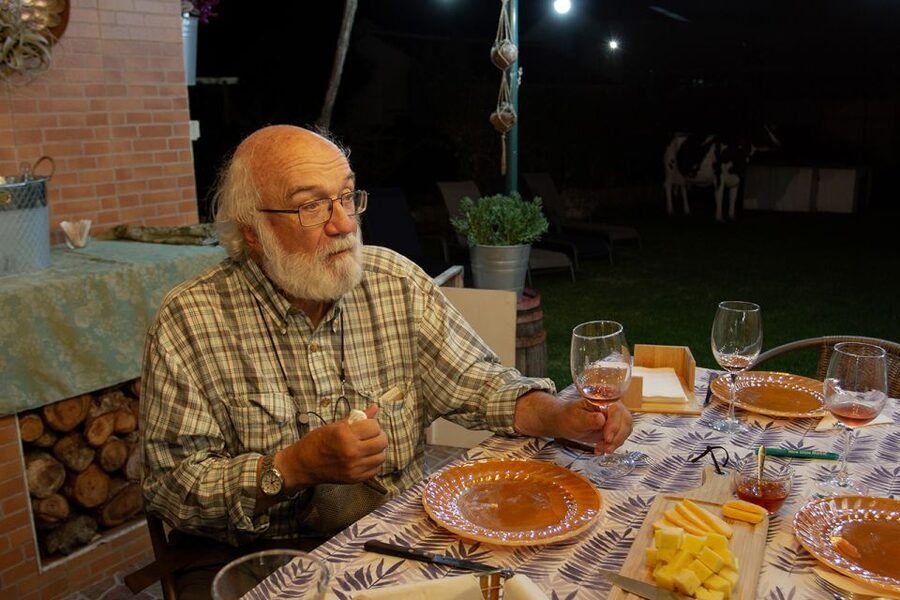
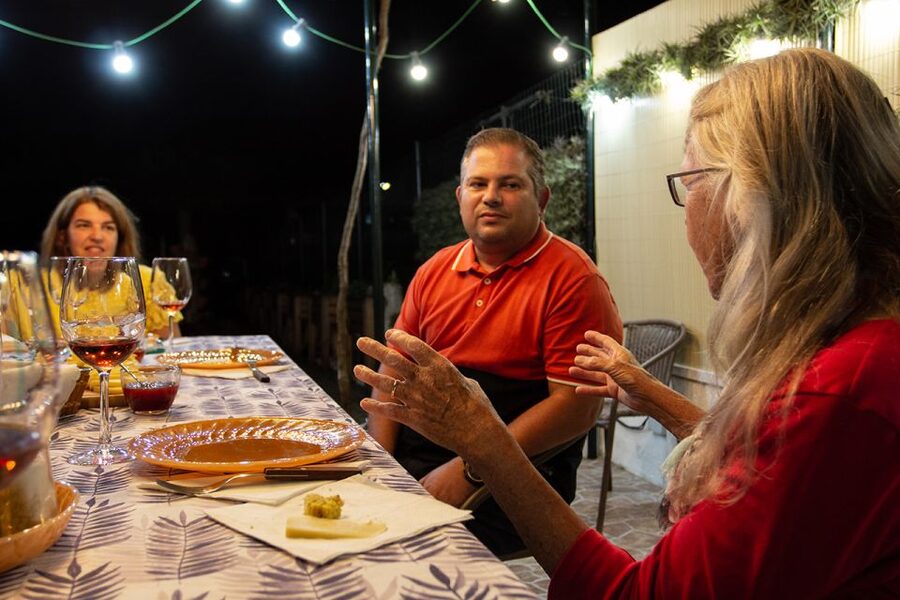
The setting is the heart of this experience. Instead of meeting in a busy restaurant or a commercial wine cellar, you visit an Azorean family and spend the afternoon or evening in their garden and dining room.
That changes the tone. You can sit back, talk, and learn about food traditions, local customs, and island history while the tasting unfolds. The experience is designed as a relaxed party, so it should suit you if you enjoy conversation and personal contact more than a formal lecture.
I like this approach because food and wine make more sense when you meet the people who serve them. You get context for what is on the table, how the wines fit local habits, and why certain flavors matter.
The family setting also means you should arrive ready to be social. This is not ideal if you want a silent, highly structured tasting with exact timing for every pour. The small group helps, but the mood still depends on the mix of people attending.
A four-hour tasting, step by step
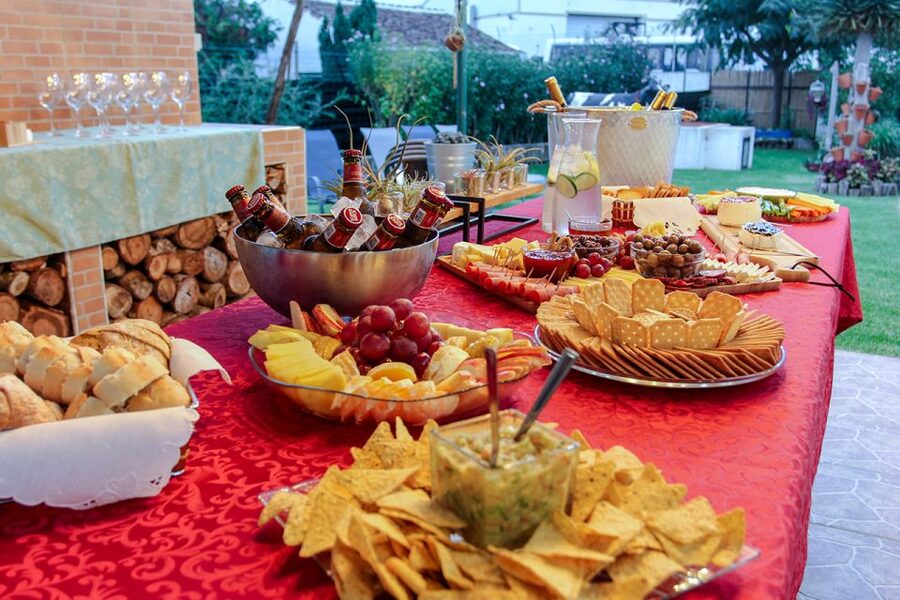
The experience lasts four hours, though starting times depend on availability. A typical visit begins with a welcome from the hosts, followed by time in the garden or dining room.
The first part is likely to help you settle in and learn what makes Azorean wine different. You may hear about volcanic soil, local grapes, food customs, and the islands’ past. The information is most useful when you taste alongside it, so pay attention to how the explanation changes what you notice in the glass.
The wine tasting then develops through several samples. Since food and wine are included, you can expect the pours to be paired with typical local snacks and tapas-style dishes. The exact menu is not specified, so you should see it as a seasonal or host-selected introduction rather than a guaranteed list of recipes.
That uncertainty is worth keeping in mind. If you have a strict diet or a serious allergy, ask ahead of time what food will be served. The available information confirms food and wine, but it does not promise vegetarian, vegan, gluten-free, or allergy-safe choices.
As the visit continues, the mood becomes more social. You may spend as much time talking with the family and other participants as you do listening to formal commentary. I see this as a strength for people who want a human connection, though it may feel less satisfying if you want a technical wine class.
One account describes Viktor driving a participant from a hotel and giving an informative tour along Terceira’s east coast before arriving at the family home. That is a useful detail, but hotel pickup is not listed as a standard inclusion. Ask about transport before booking rather than assuming it comes with the $75 price.
Same city, a different plate:
- Lisbon: Tapas & Drinks with Fado Live Performance
★ 4.6 · 749 reviews - Lagos: Ponta Piedade Sail & Caves Cruise w/Portuguese Tapas
★ 4.8 · 360 reviews - Porto Wine Tasting Experience with Portuguese Tapas Plate
★ 4.7 · 356 reviews - Albufeira/Vilamoura: Winery Tour with Wine Tasting and Tapas
★ 4.7 · 336 reviews
Food, conversation, and the party atmosphere
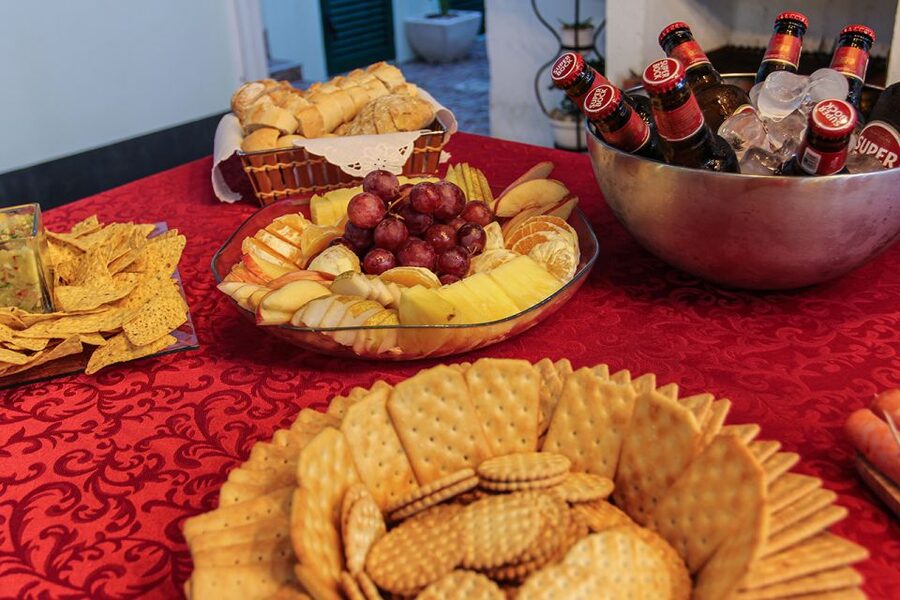
The food is not an extra purchase. It is included with the wine, which makes the price easier to assess and keeps the evening flowing.
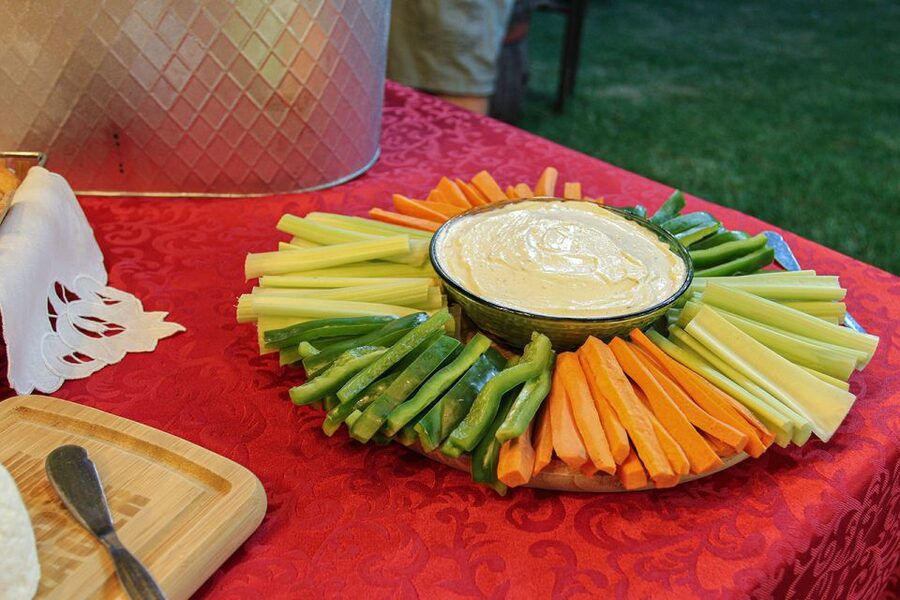
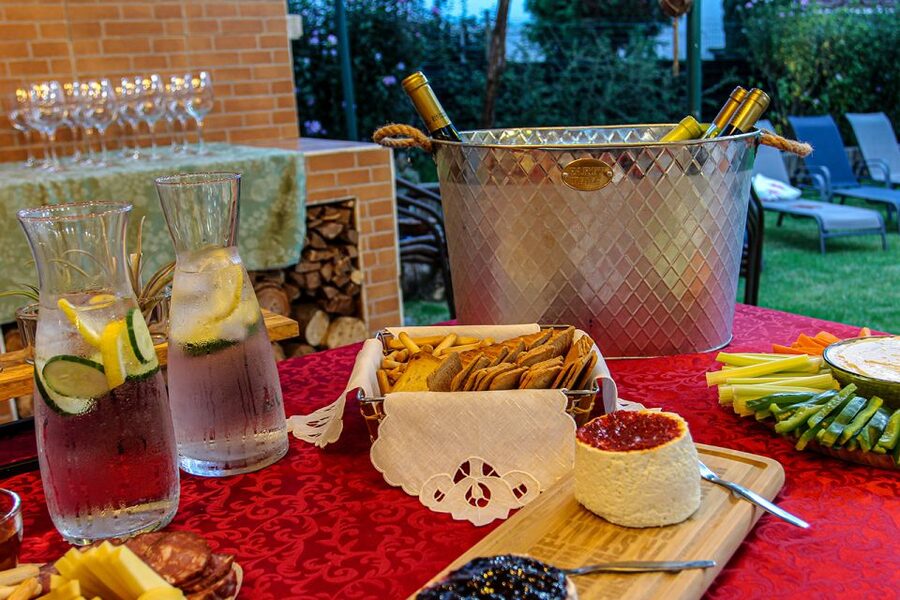
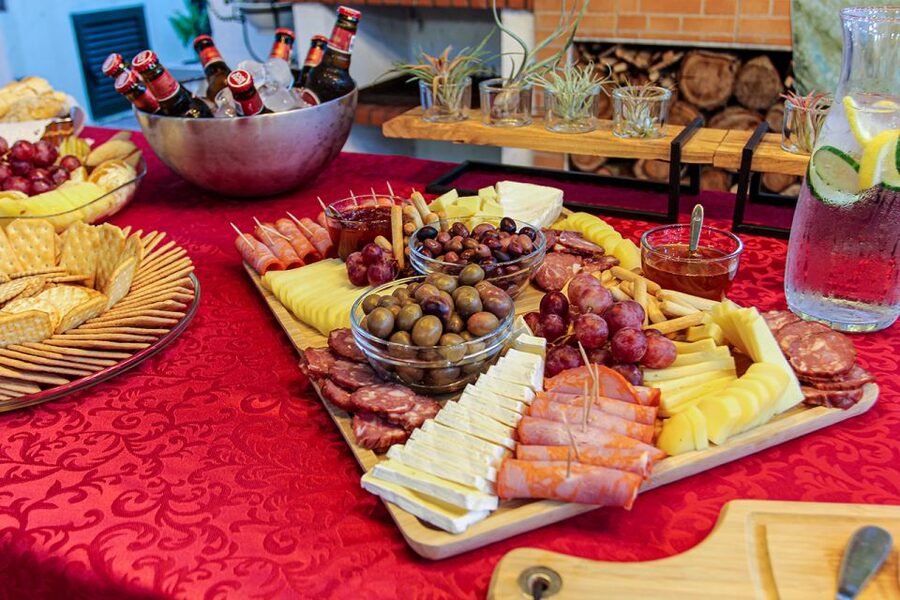
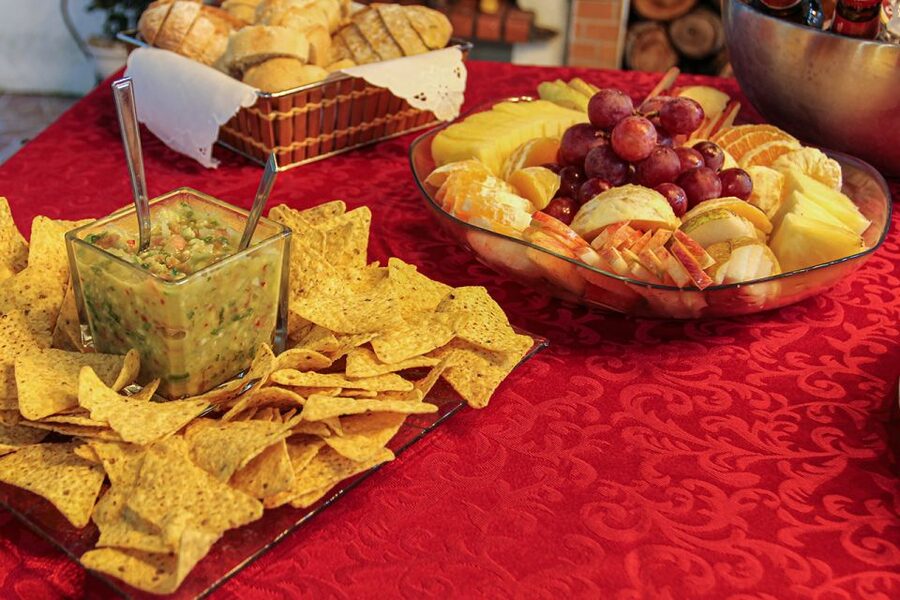
You can expect typical Azorean food tastings rather than a full restaurant meal. The available details describe local snacks and special wines prepared by the host’s wife in one visit. Think of this as a generous tasting table, not a substitute for a long dinner unless the host tells you otherwise.
The relaxed party style is one of the strongest reasons to book. I would choose this experience if you want to ask questions, share a table, and hear about ordinary island life from someone who lives there.
The same style will not suit everyone. If you prefer to move from one scheduled stop to another, the slow pace may feel too loose. There is no stated vineyard walk, cellar tour, or formal production visit, so do not book this expecting to see every stage of winemaking.
Instead, you are paying for access to a family setting, local flavors, unusual wines, and conversation. That is a more personal kind of cultural activity.
What the group size means for you

The group is limited to 10 participants. That is small enough for a friendly table and gives you a realistic chance to ask about a grape, a dish, or a local custom.
A small group also matters because wine tasting can become frustrating in a large crowd. You may have to wait for a pour, repeat questions, or listen from across a room. With 10 or fewer people, the hosts can give the gathering a more personal rhythm.
Still, a small group does not guarantee a private experience. You will share the visit with other participants, and the social tone may vary. If you are traveling alone, the setup offers a natural way to meet people. If you are a couple seeking complete privacy, a private booking would be worth asking about, though no private option is confirmed here.
Portuguese and English are the available languages. That makes the activity practical for English-speaking visitors while keeping the experience tied to local Portuguese culture.
Is $75 a fair price?
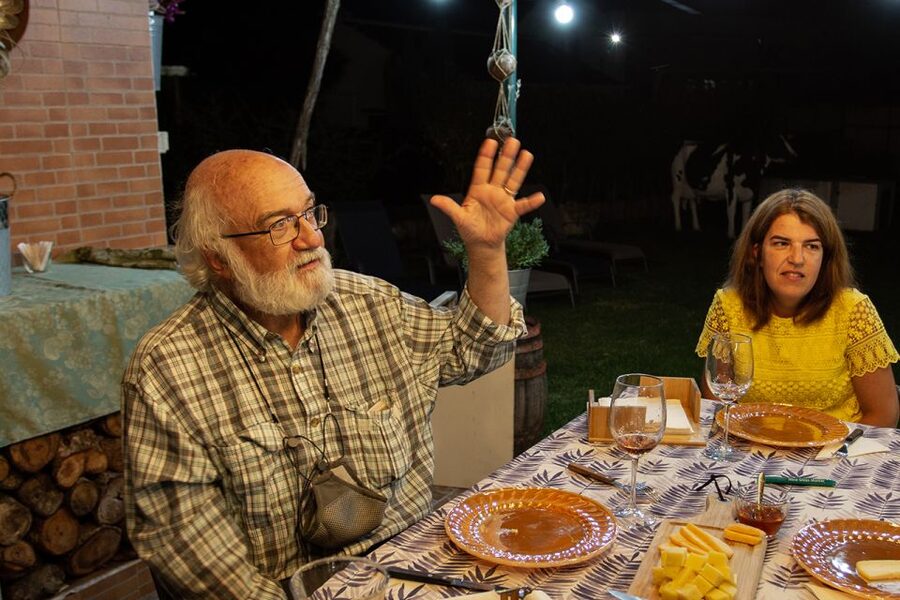
At $75 per person, I consider this a reasonable price if you value food, wine, and personal hosting more than transport or sightseeing.
The fee includes the full four-hour experience, food, and wine. You are also getting a small group and access to an Azorean family home, which is harder to reproduce by simply ordering a bottle at a bar.
The value is strongest for you if you are curious about unusual wines and want a cultural evening. It is less compelling if your main goal is a winery tour, a large meal, or a scenic drive. Those elements are not promised as part of the standard activity.
One past visit included an east coast drive with Viktor, but I would treat that as host-dependent rather than guaranteed. Confirm any pickup or sightseeing plans before you count them in the value.
The four-hour duration helps justify the cost. A short tasting with two small pours would feel expensive at this rate. Here, you have time for several wines, food, conversation, and an explanation of Azorean traditions.
Practical details before you book
Bring your passport or ID card. That requirement is simple, but easy to forget when an activity takes place at a private home rather than a major attraction.
The experience is not suitable for wheelchair users. The available information does not describe the garden or dining room in enough detail to assess other mobility needs, so ask the provider before booking if you need specific access arrangements.
Portuguese and English are spoken. If you want a detailed explanation of wine production or local history, English-language guidance is available, but the depth of the conversation may depend on the host and group.
Starting times vary. Check the available times carefully, especially if you have a ferry, flight, or another evening booking. Four hours is a substantial part of your day, and the relaxed format is best enjoyed when you are not watching the clock.
Cancellation is flexible up to 24 hours before the activity for a full refund. You can also reserve and pay later, which helps if your island plans are still shifting.
Who will enjoy this Azorean wine experience?
I would recommend it to wine drinkers who like discovering grapes they cannot easily find at home. It is also a good match for food-focused visitors, couples, solo participants, and anyone who prefers a family table to a polished commercial venue.
You will get the most from it if you are willing to taste slowly and ask questions. Notice the acidity first, then look for salinity and mineral or stony notes. Try to compare the grape varieties rather than deciding too quickly which glass is simply the best.
This activity also suits anyone wanting more context around Azorean culture. The hosts share food, wine, traditions, and history, so the visit offers more than a tasting scorecard.
I would be cautious if you need a fully accessible venue, dislike group conversation, or want a predictable menu. I would also check transportation if you are staying far from the host’s home, since pickup is not included in the published details.
Should you book it?
Book this experience if you want rare volcanic wines served with local food in a family setting. The small group, four-hour pace, bilingual hosting, and native grape varieties give it a clear sense of place.
Skip it if you are looking for a formal winery tour, a guaranteed hotel transfer, or a structured meal with a published menu. For everyone else, $75 buys a relaxed introduction to a distinctive part of Azorean life, with enough time to taste, talk, and remember the flavors.
FAQ
How much does the Azorean volcanic wine and tapas tasting cost?
The experience costs $75 per person. Food and wine are included.
How long does the experience last?
The tasting lasts four hours. Starting times vary, so check availability when choosing a date.
Where does the tasting take place?
The activity takes place at an Azorean family home, using the garden and cozy dining room.
Which languages are available?
The live guide service is available in Portuguese and English.
How many people can join the group?
The group is limited to 10 participants.
What grape varieties might I taste?
The Azores authorize 33 grape varieties. The three native varieties are verdelho, arinto dos Açores, and terrantez do pico. The exact tasting selection is not specified.
Can I cancel or pay later?
You can cancel up to 24 hours in advance for a full refund. You can also reserve now and pay later.
Just added around Portugal
- Private Sunset Hike, Tapas & Wine at Secret Beach★ 5.0 · 2 reviews
- Sintra Food & Wine Experience – Tapas, Tastings & Culture★ 4.5 · 17 reviews
- Sunset Hike, Tapas & Wine at Secret Beach★ 5.0 · 28 reviews
- Fado nights with Algarvian tapas tasting★ 5.0 · 11 reviews
- Wine, Tapas and Winery Tour★ 5.0 · 2 reviews
- 3 table wines & 5 Port wines + Tapas★ 4.5 · 14 reviews
- Private Tuktuk Tour with Portuguese Tapas and Wine★ 5.0 · 33 reviews
- Private tapas tuk tuk tour through Lisbon★ 5.0 · 12 reviews
Tapas and Wine Tours, compared.

Montserrat Half-Day Tour with Tapas and Gourmet Wines
Read our review →
Montserrat & Cogwheel Train, Gourmet Wine Tasting & Tapas/Lunch
Read our review →
Barcelona Tapas and Wine Experience Small-Group Walking Tour
Read our review →
Montserrat with Black Madonna & Medieval Winery with Tapas/Lunch
Read our review →
Montserrat and Winery Tour with Tapas or Lunch
Read our review →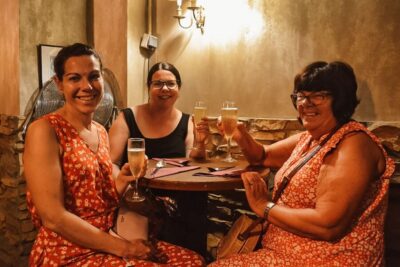
Tapas Walking Tour with Food, Wine, and History
Read our review →
Madrid Tapas & Wine Tasting Walking Tour – Small Group Local Bars
Read our review →
Sevilla Food Tour: Tapas, Wine, History & Traditions
Read our review →Browse the lists this tour appears in