
Review · SEVILLE
Seville: Tasting, History, Market visit and Tapas Tour
Start Seville with an appetite. This four-hour walking tour links everyday food with the city’s streets, markets, and old taverns, moving from a classic Spanish breakfast to churros, olive oil, market tastings, fried fish, and a tapas lunch. I like the focus on food that local people actually eat, especially the morning coffee, toast, and fresh orange juice. I also like the small group limit of 10, which gives the guide room to explain unfamiliar dishes and answer questions.
The main consideration is pace. You will eat several times while walking between stops, crossing the Triana Bridge, and visiting a market, so this is not a leisurely sit-down meal. Four hours can also feel long if you have allergies, dislike strong flavors, or prefer to choose every dish yourself. Tell the operator about allergies when you book.
Key points at a glance
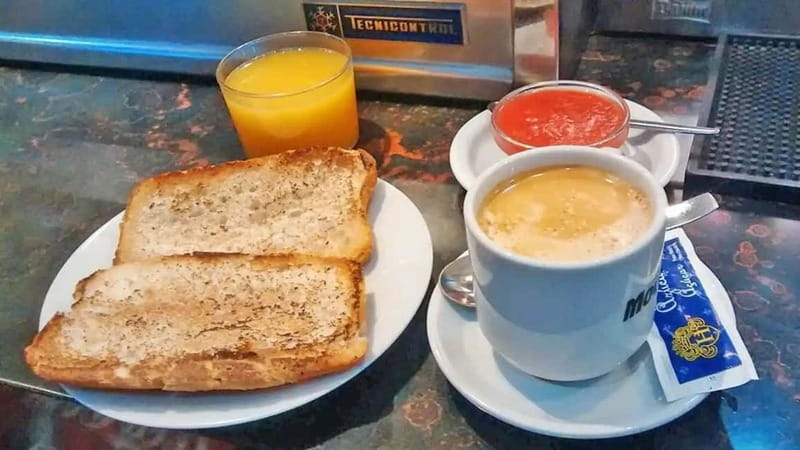
- A typical Sevillian breakfast: Start with coffee, toast, and freshly pressed orange juice, a simple meal eaten by more than 80 percent of Sevillians each day.
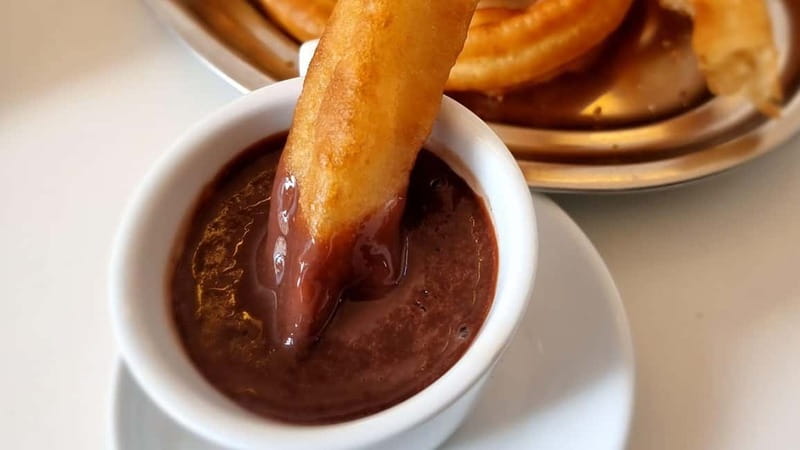
- Churros from a small stall: Taste churros with chocolate while continuing through the waking city, rather than stopping only at formal restaurants.
- Olive oil tasting: Compare oils with different flavors at a local shop and hear about the varieties from the shop owner.
- Triana Market: Walk through one of Seville’s best-known food markets, with tastings of cured ham, cheese, sherry, olives, and capers.
- Old-school tapas finish: Eat fried fish and vegetables at a typical bar, then continue to one of Seville’s oldest tapas bars for more dishes and drinks.
- Small-group format: The tour is limited to 10 people, with guides available in English, Spanish, and Norwegian.
A four-hour introduction to Seville through food

This tour works best as a morning orientation. You meet your guide in front of the main entrance to Seville’s Town Hall at Plaza Nueva, then return to the same point at the end.
That start and finish make the route practical if you are staying near central Seville. You do not need to arrange transport between stops, and the walking connects several parts of the city in one outing. The tour combines cultural sightseeing and food, so you get more than a list of dishes. You also see how breakfast, shopping, olive oil, sherry, and tapas fit into daily life.
I especially like the way the route begins with ordinary food rather than a grand restaurant. A local breakfast tells you more about the rhythm of the city than a plate designed only for tourists. The meal is simple: coffee, toast, and fresh orange juice. The appeal is not novelty. It is context.
The breakfast is also a useful lesson in Spanish eating habits. More than 80 percent of Sevillians are described as having this kind of meal each day, making it a solid first step for anyone who wants to understand what people in Seville eat before the long lunch and late dinner.
More Market and Tapas Tours in Seville
- Seville Vegan Tapas Food and Market Walking Tour
★ 5.0 · 40 reviews - The Seville Market & Tapas Tour by Food Lover Tour
★ 5.0 · 33 reviews - Seville Off the Beaten Path Tapas and Market Tour
★ 5.0 · 21 reviews
Coffee, toast, and orange juice to start
The first food stop is a complete Spanish breakfast. You can expect coffee, toast, and fresh-pressed orange juice.
The toast matters because it is a common Spanish morning staple, often treated as a quick meal rather than a special occasion. The orange juice adds a fresh local touch, while the coffee gets you ready for a morning of walking and tastings.
Do not expect a large breakfast spread. This is a modest start, and that is part of the point. If you need a substantial meal early in the day, keep that in mind before booking. The later churros and market tastings add to the morning, but the tour is built around several small eating moments rather than one heavy breakfast.
The guide’s role is important here. Gunvor Guttormsen received particularly warm praise for explaining the foods clearly, accommodating the group, and making people with limited Spanish feel comfortable ordering. That is useful on a food tour, where knowing what to ask for can matter as much as knowing what to taste.
Churros and chocolate from a small stall

After breakfast, the walk continues to a small churro stall. You taste churros with chocolate as Seville wakes up around you.
This stop adds a different texture and mood to the morning. Churros are familiar to many people, but trying them from a small local stall gives you a more everyday experience than ordering a polished dessert in a café aimed at tourists. The tasting is folded into the walk, so you are not spending the morning sitting in one place.
The wording of the experience suggests a modest tasting rather than a full serving. That is helpful because you still have several stops ahead. If you love sweets, you may wish this stop were longer. If you prefer savory food, the portioned approach keeps the churros from taking over the tour.
Chocolate with churros also gives the guide a chance to explain how this food fits into Spanish eating culture. You can ask questions as you walk, and the small group should make it easier to hear the answers.
Olive oil tasting with a local shop owner
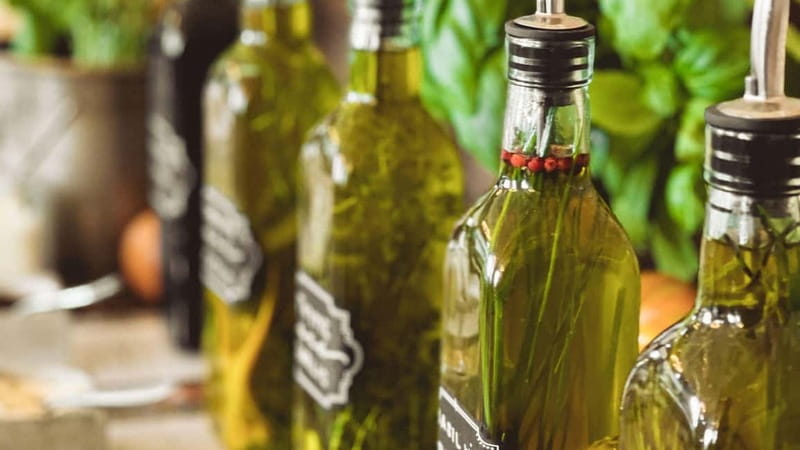
The route then goes to a local olive oil shop. Here, you taste different oils with different flavors while the owner explains the varieties.
This is one of the more useful stops for anyone who plans to eat well in Andalusia. Olive oil is not just a cooking ingredient in southern Spain. It appears at the breakfast table, in market goods, and across tapas menus. Tasting several oils side by side helps you notice differences that are easy to miss when oil arrives only as a small dish beside bread.
The shop owner’s participation gives the stop a personal touch. You are not simply told that Andalusian olive oil matters. You can compare flavors and ask about what you are tasting. The supplied details do not identify the specific oils or producers, so you should treat this as a guided introduction rather than a technical tasting course.
I like this part because it may change how you order food later in the trip. You can pay closer attention to the oil used with bread, vegetables, fish, or tapas. It also makes a good shopping stop if you want to take home a food souvenir, though the tour information does not state that purchases are included or required.
Same city, a different plate:
- Sevilla Food Tour: Tapas, Wine, History & Traditions
★ 5.0 · 3,468 reviews - Ultimate Seville Tapas, Wine & History Small Group Tour
★ 5.0 · 1,766 reviews - Seville: Tapas Crawl
★ 4.9 · 1,705 reviews - Authentic Flamenco Show with Tapas & Wine Guided Tour
★ 5.0 · 1,476 reviews
Crossing Triana Bridge toward the market
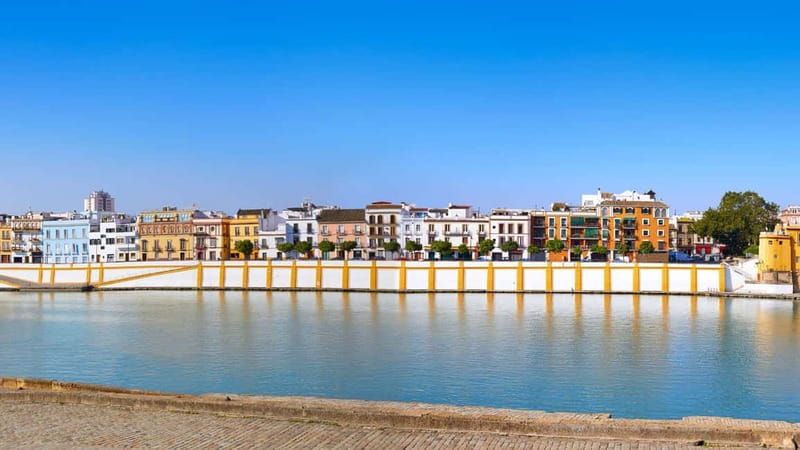
After the olive oil shop, you cross the Triana Bridge on foot toward Triana Market. This is an important shift in the route. The bridge connects Seville’s central area with Triana, and the walk turns a series of tastings into a small city tour.
The route is still food-centered, but you are also seeing Seville from street level. Because the activity is on foot, comfortable shoes make sense. The tour is listed as wheelchair accessible, though the exact walking distance and surface conditions are not specified, so anyone needing particular assistance should confirm details before booking.
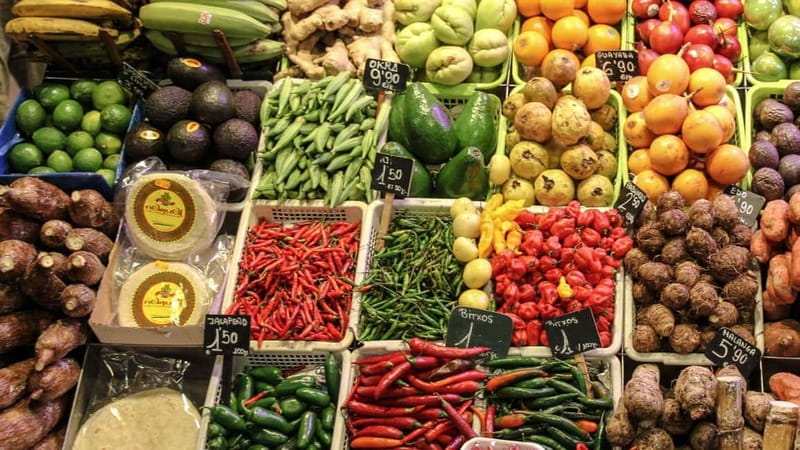
Triana Market is presented as one of the best places in Seville to buy fresh fruit and vegetables, meat, fish, and other regional foods. The first part of the visit is a walk around the stalls. That matters because you get to see the full market before stopping for samples.
A market visit can easily become a rushed parade of snacks. Here, the stated plan gives you time to look at the stalls before tasting. I prefer that order. You first see what people buy, then learn through a few selected foods.
Cured ham, cheese, sherry, olives, and capers

Inside the market, the tasting focuses on several classic Spanish foods. You stop at selected stalls for cured ham and cheese, then try sherry wine from Jerez de la Frontera as an accompaniment.
The sherry is a particularly useful regional connection. Jerez de la Frontera is in Andalusia, and tasting the wine alongside cured foods shows how local products work together. The tour does not specify the style of sherry, so you should not expect a full wine lesson. You can expect a sample and some regional context.
The next market stop features olives and pickled foods. The selection includes olives and capers. This is a small detail, but it gives the tasting welcome variety. You move from cured meats and cheese to salty, sharp, pickled flavors.
I like this section for practical reasons. You get a chance to ask what to order later and how to recognize foods in Spanish markets. One of the strongest guide compliments came from a couple with limited Spanish who felt more confident about what and how to order after the tour. That is exactly the kind of useful skill a food walk should provide.
The main drawback is that the exact tasting portions and product choices are not listed. Market stock can change, and the guide may adjust the stops. Anyone with a strict diet should contact the operator in advance rather than assuming every item can be replaced.
Fried fish and vegetables before the tapas lunch

Leaving the market, you stop at a typical bar for fresh fried fish and vegetables with a local beer.
This adds a hot, cooked food stop after the market’s cured and pickled items. It also shows another side of Seville’s bar culture. You are not only sampling ingredients at stalls. You are seeing how simple products become quick bar food.
The combination of fried fish, vegetables, and beer sounds informal, and that is the strength of this part of the route. It gives you a taste of the kind of stop you might make on your own once you know where to look. The tour information does not specify the fish, vegetables, or beer, so the exact plate may vary.
You should also pace yourself. By this point, you have already had breakfast, churros, olive oil, market samples, and sherry. The food is served in tasting portions, but the full sequence can still add up. Come hungry, but not so hungry that you rush through the early tastings.
A traditional tapas bar with old earthenware vats
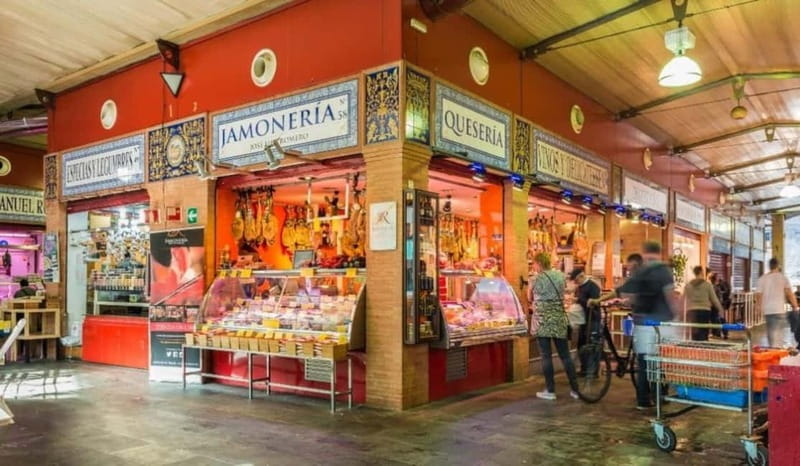
The final major stop is one of Seville’s oldest tapas bars. The bar still preserves old earthenware wine vats, giving the setting a physical link to older drinking and dining customs.
This is the tour’s most atmospheric finish. The earlier stops teach you about individual products. The tapas bar shows how those products come together in a social meal. You taste original tapas with drinks, including wine as part of the included lunch.
The phrase original tapas is broad, and the specific dishes are not named. That means you should think of this as a guided sampling of the bar’s offerings, not a menu you can select in advance. The old vats are a special feature, but the main value is the chance to eat in a place with character rather than in a generic restaurant.
I would plan to keep the rest of the day flexible. The tour is described as a tapas lunch, not merely a snack crawl, so you may finish comfortably full. It is a good first-day activity because the guide can help you decide which foods and ordering styles you want to revisit later.
Guide quality and group size
The experience is limited to 10 participants, a useful size for a food tour. A small group makes it easier to hear explanations in a market, stay together on city streets, and ask the guide about unfamiliar foods.
Guide Gunvor Guttormsen receives the clearest praise in the available feedback. She is described as easy to understand, accommodating, and good at explaining each tasting. She also took the group to local places away from the main tourist route, which is valuable for a first visit to Seville.
The languages offered are English, Spanish, and Norwegian. If you have limited Spanish, the experience can help you order with more confidence. If you speak Norwegian, that option may make the explanations easier still.
The tour is also wheelchair accessible. Since the route includes walking, a bridge crossing, a market, and several food stops, it is sensible to confirm any specific mobility needs before reserving.
Is $90 a fair price?
At $90 per person, this is not the cheapest way to eat in Seville. You could buy coffee, churros, market food, beer, and tapas for less if you already know the city and speak enough Spanish to order comfortably.
The value comes from the structure. Your payment covers a complete Spanish breakfast, churros, an olive oil tasting, market tastings, sherry, fried fish and vegetables with beer, a tapas lunch with wine, and guided sightseeing over four hours. You are also paying for the guide’s local judgment, explanations, and route planning.
I think the price makes the most sense early in your Seville stay. You gain a working food vocabulary, learn several places to revisit, and get an introduction to Triana and its market. If you are already an experienced Seville eater, you may find the organized format less necessary.
The small group improves the value. A limit of 10 allows for personal questions without turning the tour into a private experience. The tour also includes enough different stops to function as both lunch and orientation.
Who should book this Seville food tour?
I would recommend it to first-time visitors who want a practical start to Andalusian food. It suits people who enjoy tasting many things, walking through markets, and learning how to order rather than sitting down for one long restaurant meal.
It is also a strong fit for couples and small groups with limited Spanish. The feedback about Gunvor’s clear explanations and the couple who gained confidence ordering are especially relevant here.
You may want another kind of activity if you need a quiet, slow meal, have many dietary restrictions, or prefer a fixed menu. The tour includes several food categories and drinks, so allergy information should be provided at booking.
Book it in the morning if possible. The stated plan begins with breakfast and ends with a tapas lunch, making the timing part of the design. Starting with an empty or nearly empty stomach will help you enjoy the range without feeling rushed.
Practical details before you reserve
The tour lasts four hours, and starting times depend on availability. Meet the guide in front of the main entrance to the Town Hall at Plaza Nueva. The activity finishes back at that same meeting point.
English, Spanish, and Norwegian are available. The group is limited to 10 people, and the activity is wheelchair accessible.
You can cancel up to 24 hours in advance for a full refund. You can also reserve now and pay later, which is useful when your Seville plans are still changing.
Most important, mention allergies when booking. The route includes bread, dairy, cured meats, seafood, olives, capers, chocolate, fried foods, wine, beer, and other items, so the guide needs advance notice to discuss what is suitable.
Should you book it?
Book this tour if you want Seville explained through everyday food, not just monuments. The mix of breakfast, churros, olive oil, Triana Market, sherry, fried fish, and an old tapas bar gives you a useful first look at how the city eats.
The strongest reasons to go are the small group, the local stops, and Gunvor Guttormsen’s clear, friendly guiding style. Skip it if you want a single leisurely meal or need complete control over every dish.
For most first-time visitors, $90 is a fair price for four hours of food, orientation, and ordering help. It is especially worthwhile near the start of your stay, when the lessons can shape every meal that follows.
FAQ
Where does the tour begin?
Meet the guide in front of the main entrance of the Town Hall at Plaza Nueva in Seville.
Where does the tour end?
The activity ends back at the meeting point in Plaza Nueva.
How long does the experience last?
The tour lasts four hours. Available starting times vary, so check when reserving.
What food is included?
The tour includes a complete Spanish breakfast, churros with chocolate, market tastings, an olive oil tasting, fried fish and vegetables, and a tapas lunch.
Are drinks included?
Yes. The experience includes fresh orange juice at breakfast, sherry wine at the market, local beer with fried food, and wine with the tapas lunch.
Which languages are available?
The live guide can conduct the tour in English, Spanish, or Norwegian.
Is the tour wheelchair accessible?
Yes, the activity is listed as wheelchair accessible.
What is the cancellation policy?
You can cancel up to 24 hours in advance for a full refund. You can also reserve now and pay later.
More History Tours in Seville
- Sevilla Food Tour: Tapas, Wine, History & Traditions
★ 5.0 · 3,468 reviews - Ultimate Seville Tapas, Wine & History Small Group Tour
★ 5.0 · 1,766 reviews - Seville: Tapas, Taverns, and History Walking Tour
★ 4.9 · 676 reviews - Seville: Tapas, Taverns and History Guided Walking Tour
★ 4.9 · 515 reviews
More Shopping Trips in Seville
- Barcelona Paella Cooking Class with Market Visit, Tapas & Sangria
★ 5.0 · 2,531 reviews - Valencian paella cooking class, tapas and visit to Ruzafa market.
★ 5.0 · 828 reviews - San Sebastian Pintxo Food, Wine & Market Foodie Tour(Small Group)
★ 5.0 · 621 reviews - Madrid Tapas & Paella Cooking Experience with Local Market Visit
★ 5.0 · 432 reviews
Just added around Seville
- Triana Market Tapas Tour★ 4.9 · 12 reviews
- Seville Wine & Gourmet Tapas Tour by Food Lover Tour★ 5.0 · 50 reviews
- The One and Only Nuevo Tapas Tour★ 5.0 · 15 reviews
- Tapas Tour★ 4.5 · 3 reviews
- Tapas and Flamenco in Seville★ 4.5 · 34 reviews
- Sizzle and Savor Seville’s Tapas Expedition★ 5.0 · 2 reviews
- Private off the beaten path Tapas Tasting in Seville★ 5.0 · 2 reviews
- Tapas Tour Sevilla★ 4.5 · 2 reviews
Market and Tapas Tours, compared.
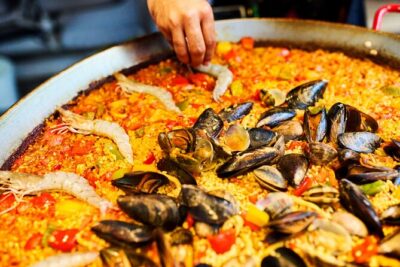
Barcelona Paella Cooking Class with Market Visit, Tapas & Sangria
Read our review →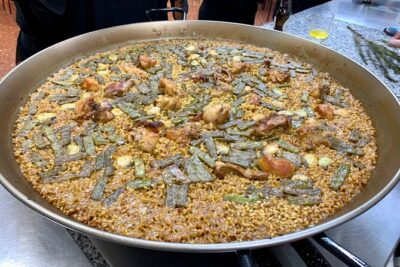
Valencian paella cooking class, tapas and visit to Ruzafa market.
Read our review →
San Sebastian Pintxo Food, Wine & Market Foodie Tour(Small Group)
Read our review →
Madrid Tapas & Paella Cooking Experience with Local Market Visit
Read our review →
Seafood paella cooking class, tapas and visit to Ruzafa market.
Read our review →
Alicante Paella Cooking Class, Tapas, Drinks and Market
Read our review →
Real Paella Cooking Class – Market Visit & Sangría Workshop
Read our review →
Paella & Sangria Class with Tapas and Market Visit
Read our review →Browse the lists this tour appears in