Review · VALENCIA
Valencian paella cooking class, tapas and visit to Ruzafa market.
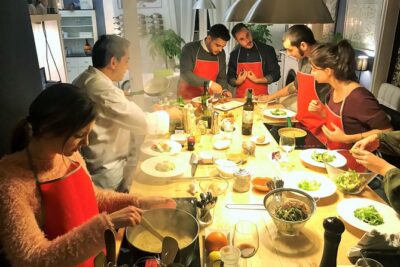
Paella is better when you make it yourself. This 3.5-hour Valencia experience combines a visit to Ruzafa Market with a hands-on cooking class, giving you more than a meal. I like the market stop because it connects the dish to local ingredients and customs, and I like that the paella is made by the group rather than simply demonstrated by a chef.
The food and drink are generous: tapas, sangria, beer, wine, salad, dessert, coffee, and sweet wine are included. The only real caution is that this is a social, alcohol-friendly class with up to 20 people, so it may feel lively rather than quiet or highly intimate. Guides Anna and Jose are frequently praised for their humor, patience, and energy.
Key points to know before booking
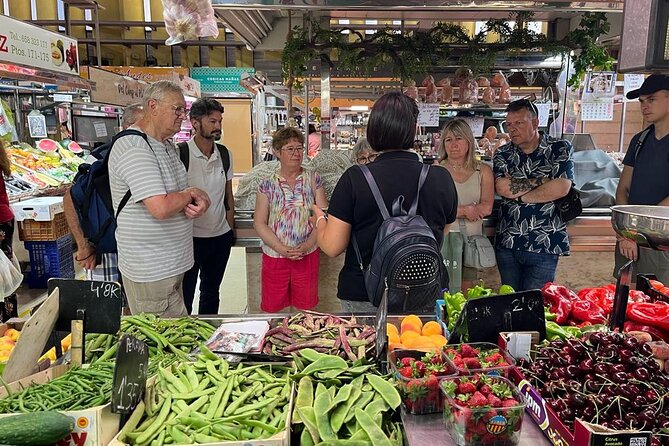
- Ruzafa Market comes first: You shop for fresh paella ingredients while learning about Valencian food traditions.
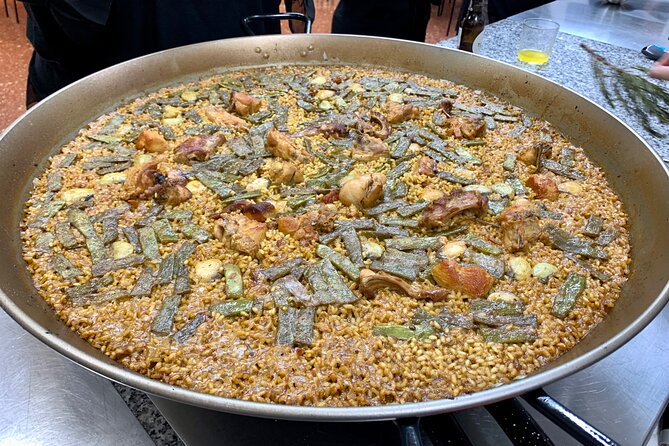
- You cook the main dish yourself: The class covers Valencian paella with chicken and rabbit, including hands-on tasks.
- Anna and Jose set the tone: Their friendly, funny teaching style helps solo visitors and mixed groups connect.
- The meal is substantial: Tapas, paella, tomato salad, fruit, Valencian cake, sweet wine, coffee, and other drinks are included.
- The meeting point is not the kitchen: Start outside Parroquia de San Valero, then walk about eight minutes to the cooking venue.
- Plan around the 11 a.m. start: Arrive on time, since missing the market portion means losing one of the most distinctive parts of the experience.
Starting outside San Valero Parish at 11 a.m.
You meet at Parroquia de San Valero, at Carrer del Pare Perera 6 in Valencia’s L’Eixample district. This is a meeting point, not the cooking kitchen, so do not expect to begin preparing food on the church steps.
The group gathers here before walking into the Ruzafa neighborhood market. The address can be easy to misunderstand because it is listed as the starting point, while the cooking takes place elsewhere. The walk to the kitchen takes about eight minutes after the market visit.
The class is offered in English, though a multilingual guide may lead it. The maximum group size is 20, with smaller working groups formed during the cooking portion. That gives the session a friendly group feel while still allowing you to take part in the preparation.
I would arrive early. The market visit is not a throwaway introduction. It is where you begin to understand why paella is tied so closely to Valencia, its produce, and its social customs.
More Paella Cooking Classes in Valencia
- Seafood paella cooking class, tapas and visit to Ruzafa market.
★ 5.0 · 328 reviews - Valencia: Evening Guided Paella Workshop, Tapas, and Drinks
★ 4.9 · 326 reviews - Valencian Paella Cooking Class, Tapas & Sangria – Evening
★ 5.0 · 303 reviews
Shopping for paella ingredients at Ruzafa Market
Ruzafa Market is the first proper stop, and it gives the experience a useful sense of place. Rather than starting in a generic cooking studio with ingredients already lined up, you go together to buy the fresh products needed for the meal.
As you walk through the market, the guides explain the origin of paella and customs connected with Valencian life. You also learn about the ingredients that go into the traditional version being prepared later. This helps turn paella from a familiar Spanish menu item into a dish with a particular regional identity.
The class makes Valencian paella with chicken and rabbit. That matters because paella has many versions, and the dish served in Valencia is not simply any rice dish cooked in a wide pan. The market visit gives context before you handle the food yourself.
You should also know that the market portion depends on arriving on time. One participant who arrived late missed the market visit but was still allowed to join the cooking session. That is a generous solution, but you will get more from the experience if you are present from the beginning.
The market stop is especially useful for first-time visitors to Valencia, food lovers, and anyone who wants local context without committing to a long city tour. It is short enough to fit neatly into a morning and practical enough to make the cooking lesson feel grounded in the city around you.
Walking eight minutes to the cooking kitchen
After the market, the group walks roughly eight minutes to the kitchen. This is a simple transfer, but it is worth knowing in advance so you do not wait at the church expecting the cooking to happen there.
At the kitchen, the pace changes from market walk to social meal. The chef and guides welcome the group with tapas and drinks before the main cooking begins. This transition works well because you have already heard about paella and its ingredients, but you are not thrown straight into a technical lesson.
The class is designed as a shared activity. You work alongside other people, often from different countries, and the food gives everyone an easy subject to talk about. Solo visitors can fit in comfortably here, especially because the cooking tasks naturally create conversation.
The atmosphere is not formal. Anna and Jose are praised for keeping the session cheerful and inclusive, with plenty of jokes and encouragement. If you want a silent, chef-led demonstration, this may not be the right format. If you like learning through conversation, shared work, and a few glasses of wine, the style should suit you.
Tapas and the sangria workshop
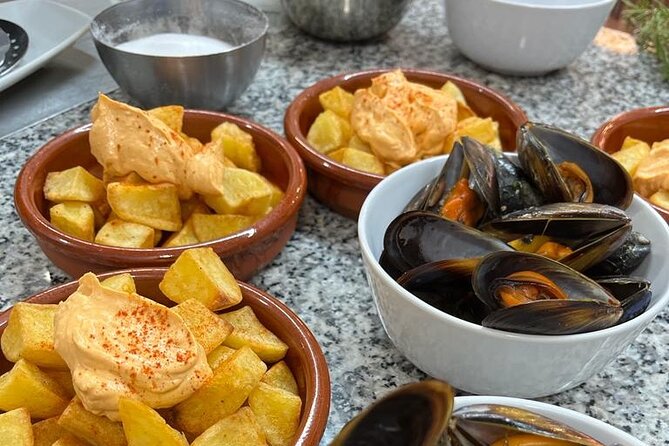
Before preparing the paella, you receive a selection of tapas. The stated menu includes patatas bravas with sojanesa, Serrano ham, Manchego cheese, steamed mussels, and olives.
This is more than a token snack. The tapas give you something to eat before the drinks begin to flow, which is welcome because the class runs through lunchtime and includes several alcoholic drinks. Sangria is part of the experience from the start, and the group takes part in a sangria-making workshop before cooking the main course.
Beer and water are also available, along with wine later in the meal. Several people particularly enjoy the relaxed combination of tapas, sangria, and conversation. You should keep the pace sensible if you want to remember every cooking step. The class is generous with drinks, and the social mood can become quite lively.
I like this part because it makes the cooking feel like a Valencian meal with friends, rather than a sterile lesson. The drawback is that the drinks are central to the atmosphere. If you do not drink alcohol, the food and instruction still provide substance, but the class may feel built around a rhythm you are not sharing.
More Spanish Cooking Classes in Valencia
- Real Paella Cooking Class – Market Visit & Sangría Workshop
★ 5.0 · 291 reviews - Vegetable Paella cooking class, tapas and Ruzafa market visit
★ 5.0 · 79 reviews - Valencia Paella & Tapas Home Cooking Class with Local Chef Jose
★ 5.0 · 69 reviews - Any Day is Sunday: Paella Cooking Class with Tapas and Sangria
★ 5.0 · 51 reviews
Learning Valencian paella with the group
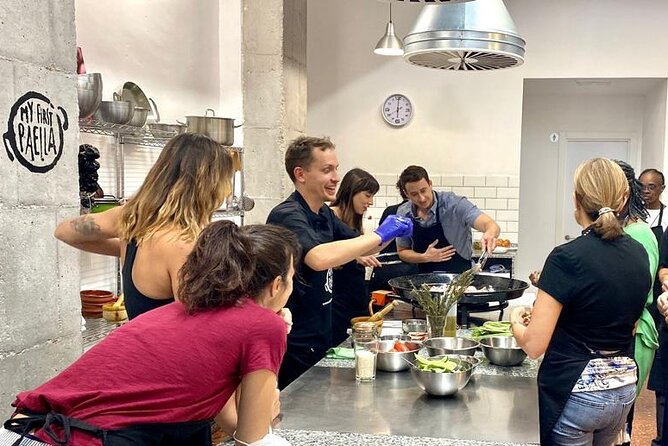
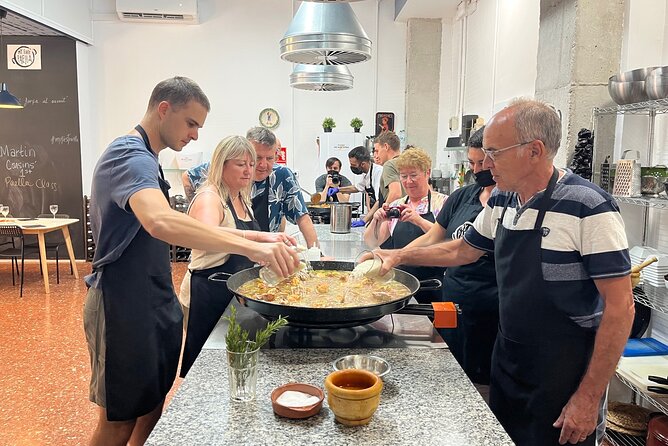
The chef explains how to prepare the traditional Valencian paella step by step. You are not simply watching someone cook the whole dish while standing at a distance. The group takes on tasks, and the instructors guide you through the process.
Small jobs matter here. You may be asked to handle salt, help with ingredients, or take part in grinding saffron. One particularly useful warning from the class experience is that grinding saffron takes more effort than it looks. Do not volunteer for every task unless you are ready to work a little.
The instructors prepare some parts, then bring the group into the process. That balance keeps the dish on track while giving you genuine involvement. The aim is not to turn every participant into a professional cook in one afternoon. It is to show you the sequence, the ingredients, and the feel of making the dish together.
Anna is praised for being cheerful, attentive, and clear in her explanations. Jose is often singled out for his humor and energy. Their strength is not only technical instruction. They keep people engaged, help answer questions, and make the group feel included.
You also learn that paella is a social dish. The wide pan is part of the shared ritual, but the important lesson is how food brings people together around one table. That message comes through naturally because you help prepare the meal with the same people who later eat it.
Sitting down to eat your own paella
Once the paella is ready, the group sits down to eat. There is a satisfying moment when you can see the finished pan before serving, since you have helped create it rather than merely ordered it.
The meal includes Valencian tomato salad alongside the paella. The cooking session also provides Valencia wines, seasonal fruit, Valencian sponge cake, sweet wine, and coffee. With the opening tapas and drinks, this is a full meal rather than a small tasting.
The food is a major reason the experience earns such strong praise. The paella is described as delicious, and the end result is particularly rewarding because the group has worked through the preparation together. Even if you are a beginner, you can leave with a recipe and a better sense of how to repeat the dish at home.
The class also leaves room for photographs of the finished paella before everyone eats. That small pause is useful. It gives you a record of the meal and marks the difference between following instructions and producing something you can share.
Do not book this expecting a refined restaurant service. The pleasure comes from participation, group energy, and the meal’s connection to the work you have just done. It is casual, social, and generous rather than polished and quiet.
What the $78.60 price includes
At $78.60 per person, the price needs to be judged as a package. You receive about three and a half hours of activity, a guided market visit, a sangria workshop, a hands-on cooking lesson, tapas, the main meal, dessert, coffee, and several drinks.
That is a solid value if you would otherwise pay separately for lunch, a cooking class, and a food-focused introduction to Valencia. The inclusion of wine, sangria, beer, mistela, and coffee adds to the practical value, though the drinks are also part of what shapes the experience.
The class is not the cheapest way to eat paella in Valencia. You can find a less expensive lunch elsewhere. What you are paying for is the instruction, the market visit, the ingredients, the social setting, and the chance to make the dish yourself.
The value is strongest for people who want a lasting skill. A restaurant serves you one paella. This class gives you a method you can try at home, plus a better understanding of why Valencian paella is made the way it is.
The experience is booked about 33 days ahead on average, so it is sensible to reserve early if your Valencia dates are fixed. Confirmation is provided at booking, and free cancellation is available up to 24 hours before the start time. Changes or cancellations inside that window are not accepted for a refund.
Who will enjoy this class most
I would recommend this experience to anyone who enjoys food, conversation, and practical activities. It suits couples, families with older children, solo visitors, and small groups of friends.
Children must be accompanied by an adult. The supplied information does not give a specific child age range, so families should consider the 3.5-hour duration, the cooking tasks, and the alcohol-centered social setting before booking.
Solo visitors may find this particularly easy. The class naturally mixes people at shared work stations, and the guides encourage conversation. You do not need to arrive with a large group to have company.
It also suits people who want more than a standard city sightseeing tour. You learn about Valencia through its food, market customs, and communal dining habits. That is a good fit if you prefer local routines and practical experiences to a list of famous monuments.
You may want to skip it if you dislike group activities, do not drink, or prefer a quiet meal with exact control over the menu. The class can include up to 20 people, and the mood is clearly lively, friendly, and social.
Practical details that affect your day
The experience starts at 11 a.m. and ends back at the original meeting point. Since the class includes a market visit and a full lunch, avoid scheduling another demanding activity immediately afterward.
Wear something comfortable for moving between the market and kitchen and for taking part in food preparation. The supplied details do not specify a dress code, special equipment, or accessibility arrangements, so contact the provider if those points matter to you.
The tour is operated by My First Paella. It may be led by a multilingual guide, but the advertised language is English. The group limit is 20, though the cooking work is organized in smaller groups.
The meeting point is easy to identify as Parroquia de San Valero, but remember that the kitchen is about an eight-minute walk away. This is the single most useful logistical detail to remember when planning your morning.
Should you book My First Paella?
Book it if you want to eat well, meet people, and learn a dish you can make again. The strongest parts are the Ruzafa Market visit, the hands-on paella preparation, the generous meal, and the warm teaching style of Anna, Jose, and the wider team.
I would especially choose it early in a Valencia stay. You gain a better feel for local food traditions, and you may leave with a recipe you can use after the trip. Just arrive on time, come hungry, and expect a lively group rather than a quiet cooking lesson.
At $78.60, it offers good value for a full food experience with instruction and drinks included. If that combination sounds appealing, this is an easy recommendation. If you want a calm, alcohol-free, highly private class, choose a different format.
FAQ
Where does the paella experience begin?
It begins at Parroquia de San Valero, Carrer del Pare Perera 6, in Valencia’s L’Eixample district.
What time does the experience start?
The experience starts at 11 a.m.
Does the tour visit a market?
Yes. The group visits Mercado de Ruzafa to buy the fresh products needed for the paella and learn about Valencian food customs.
What type of paella do you make?
You make traditional Valencian paella with chicken and rabbit.
Are food and drinks included?
Yes. Tapas, paella, Valencian tomato salad, seasonal fruit, Valencian cake, sangria, beer, water, Valencia wines, sweet wine, and coffee are included.
How far in advance can I cancel?
You can cancel at least 24 hours before the start time for a full refund. Cancellations or changes made less than 24 hours before the start time are not accepted for a refund.
More Shopping Trips in Valencia
- Alicante: Paella & Sangria Class with Tapas and Market Visit
★ 4.8 · 243 reviews - Paella & Sangria Class with Tapas and Market Visit
★ 5.0 · 122 reviews - San Sebastian: Market, Pintxos and Wine Tasting Tour
★ 5.0 · 111 reviews - Malaga: The Ultimate Tapas Workshop with Market Visit
★ 4.9 · 108 reviews
More Market and Tapas Tours in Valencia
- Barcelona Paella Cooking Class with Market Visit, Tapas & Sangria
★ 5.0 · 2,531 reviews - San Sebastian Pintxo Food, Wine & Market Foodie Tour(Small Group)
★ 5.0 · 621 reviews - Madrid Tapas & Paella Cooking Experience with Local Market Visit
★ 5.0 · 432 reviews - Alicante Paella Cooking Class, Tapas, Drinks and Market
★ 4.9 · 301 reviews
Just added around Valencia
- Valencia Old Town flavour walk: tapas & drinks by local★ 5.0 · 11 reviews
- Valencia: City Tour with Tapas Shore Excursion★ 5.0 · 9 reviews
- Valencia: Tapas and Sightseeing guided tour★ 4.9 · 9 reviews
- Valencia: Guided Private Bike Tour with Tapas and Drinks★ 4.6 · 2 reviews
- Valencia: Paella Cooking Class with Tapas and Drinks★ 5.0 · 25 reviews
- Valencia: Mysteries, Legends, & Local Tapas Experience★ 4.9 · 14 reviews
- Valencia: Authentic Tapas & Drinks with a Local★ 4.7 · 51 reviews
- Valencia: Street Food Tour including Paella & Tapas Tasting★ 5.0 · 2 reviews
Paella Cooking Classes, compared.
Barcelona Paella Cooking Class with Market Visit, Tapas & Sangria
Read our review →
Spanish Cooking Class Paella Tapas and Sangria in Madrid
Read our review →
Barcelona Food Tour: Tapas, Paella, Sangria & 8+ Local Tastings
Read our review →
Madrid Tapas & Paella Cooking Experience with Local Market Visit
Read our review →
Alicante Paella Cooking Class, Tapas, Drinks and Marketplace
Read our review →
Seafood paella cooking class, tapas and visit to Ruzafa market.
Read our review →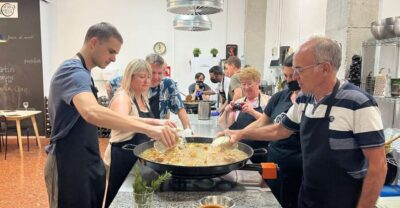
Evening Guided Paella Workshop, Tapas, and Drinks
Read our review →