
Review · ALICANTE
Paella & Sangria Class with Tapas and Market Visit
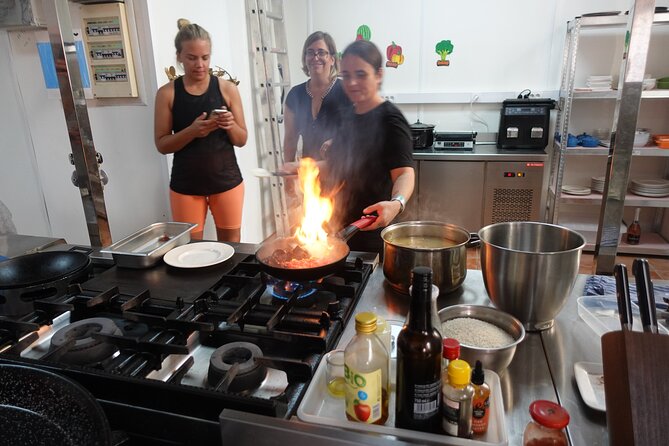
Fresh food makes a better lesson. This Alicante cooking class combines a walk through the Mercado Central with hands-on paella making, so you learn what goes into the dish before you cook it. I especially like the market visit and the choice of seafood, meat, or vegetarian paella. The main drawback is that the seafood portions may feel modest if you expect a plate piled high with shrimp and squid.
The three-and-a-half-hour experience also includes tapas, tomato salad with salted fish, Iberian ham, sausage, olives, and sangria. Guides such as Federico, also called Fred or Freddy, are praised for being warm, funny, and clear in English. Just note that the group can be larger than the ideal small-class size, with the stated maximum ranging from 15 to 16 people.
What makes this Alicante food class special
- Start inside Alicante’s Central Market: Choose ingredients while learning about local fish, shellfish, olives, ham, and produce.
- Cook in a real local restaurant kitchen: This is a working kitchen rather than a staged demonstration space.
- Choose your paella style: Pick seafood, meat, or vegetarian preparation when available.
- Make sangria from scratch: You help combine wine, fruit, orange juice, soda, syrup, and liqueur.
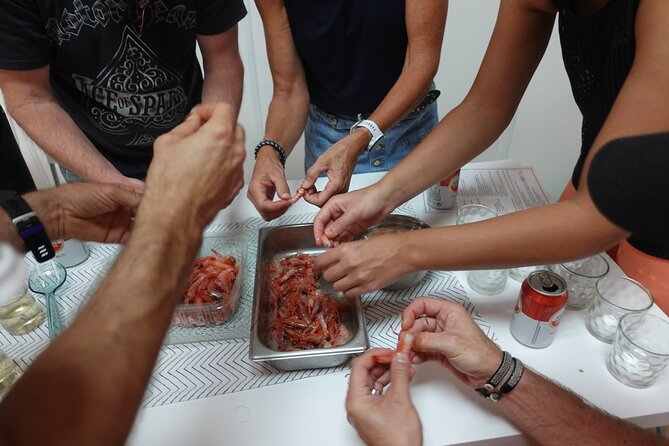
- Everyone takes part: You may prepare seafood, chop ingredients, build the sofrito, or help cook the rice.
- Finish with a full shared meal: Tapas, salad, paella, sangria, and other local foods are part of the experience.
Starting at Alicante’s Mercado Central
The class begins at Plaza 25 de Mayo, outside the Mercado Central in central Alicante. This makes the meeting point fairly easy to find and places you right beside one of the city’s best food stops.
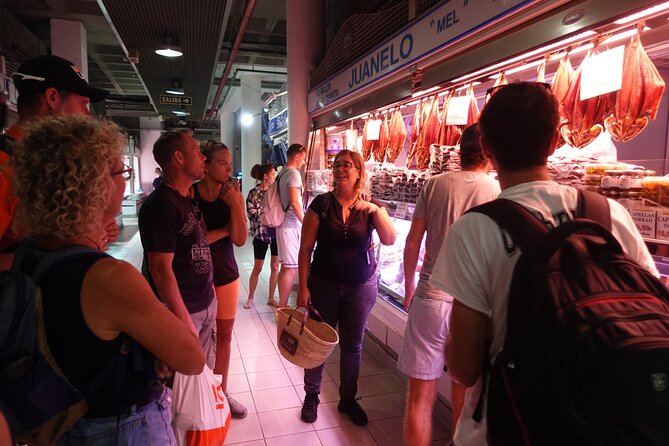
The market visit is more than a quick shopping errand. Your guide leads you through the stalls and explains the ingredients needed for the meal. You may learn how local shrimp differ from larger ocean varieties, why certain olives are kept in different brines, and how Iberian ham and mountain sausage fit into Spanish food culture.
This part gives the cooking class useful context. Instead of hearing a general explanation about Mediterranean cooking, you see the raw materials, ask questions, and watch your guide select what will go into the meal. The Central Market also gives you a good introduction to Alicante beyond its beaches and old-town streets.
The shopping can take about an hour, according to the experience details. That is a meaningful portion of a three-and-a-half-hour class, so book this for the food culture as much as for the cooking itself. If you want only a fast paella demonstration, this may feel slow. If you like markets and local products, it is likely one of the best parts.
The group size matters here. A class of five to eight people should make it easier to stay close to the guide and see the stalls. A larger group can still work, but you may spend more time waiting for your turn or standing slightly behind the guide.
More Paella Cooking Classes in Alicante:
- Alicante Paella Cooking Class, Tapas, Drinks and Marketplace
★ 5.0 · 349 reviews - Alicante Paella Cooking Class, Tapas, Drinks and Market
★ 4.9 · 301 reviews - Alicante: Paella & Sangria Class with Tapas and Market Visit
★ 4.8 · 243 reviews
Learning what makes Alicante paella different
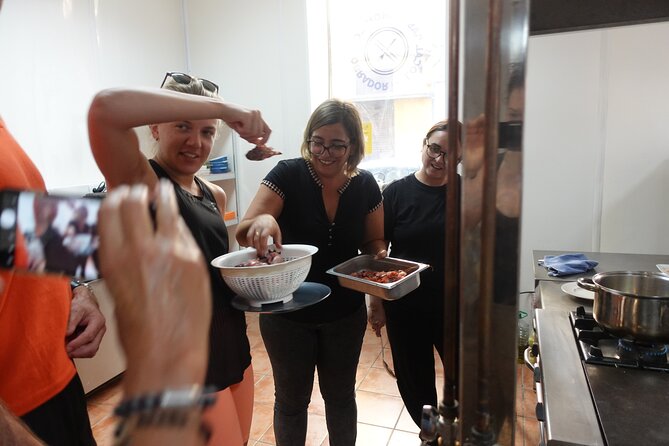
After the market, the group walks about three blocks to the kitchen. The class focuses on preparing paella from its foundation rather than simply adding ingredients to a pan and watching a chef finish it.
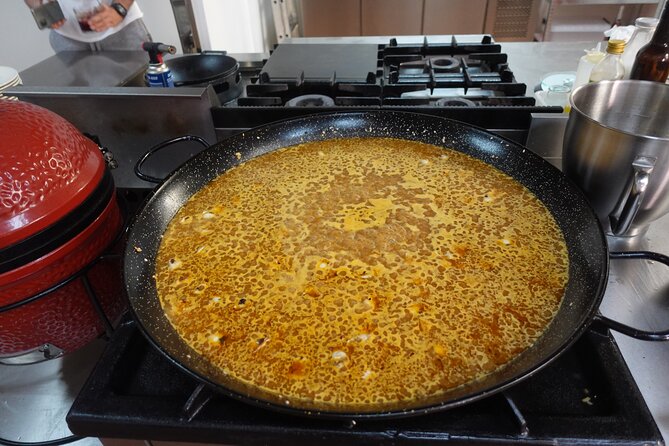
You learn to make the broth and prepare salmorreta, the seasoned sofrito base used in Alicante-style rice dishes. This is where the class becomes more than a recipe demonstration. The flavor depends heavily on the stock, the sofrito, and the rice, so the lesson explains why the dish is built in stages.
The seafood version may include local shrimp, squid, or cuttlefish. One session used sepionet, a small squid considered a prized ingredient in Alicante. The seafood may look less generous than what you find in tourist restaurants, but the stated aim is a traditional local preparation rather than a pan overloaded with fish, meat, vegetables, and chorizo.
That distinction is important. If you judge paella by the amount of seafood on top, you may find the dish underwhelming. If you care about the rice and the stock, the approach makes more sense. The class teaches the idea that the broth provides much of the flavor, while the seafood adds texture and character.
The meat and vegetarian options give the class useful flexibility. You should confirm your preferred choice when booking or before the class begins, since the exact availability of each style is not explained in the supplied information.
Hands-on cooking in a working kitchen
The kitchen is inside a local restaurant, and the class is led by a professional chef and host. That setting gives the session a more practical feel than a polished cooking theater with every ingredient already measured.
You may help clean or prepare seafood, chop ingredients, make the salmorreta, prepare the broth, and take turns with the pan. One activity involved using a blow torch to cook fish, which adds a bit of fun and gives you a memorable kitchen task.
Everyone is expected to participate. That does not mean you need advanced cooking skills. The teaching is step by step, and the guide explains what to do before handing over a task. Beginners should feel comfortable, while confident home cooks may appreciate the explanation of regional technique more than the basic chopping.
The guide is a major part of the experience. Federico, also known as Fred or Freddy, receives especially warm praise for speaking excellent English, moving between English and Spanish when needed, and keeping the group involved. He is described as patient, amusing, and genuinely interested in Alicante’s food.
A chef named Maria has also led classes. Having both a guide and chef present is useful because one person can explain the city and ingredients while the other manages the cooking. It also means the class is not dependent on one person doing every task.
Tapas, salad, and sangria while the rice cooks
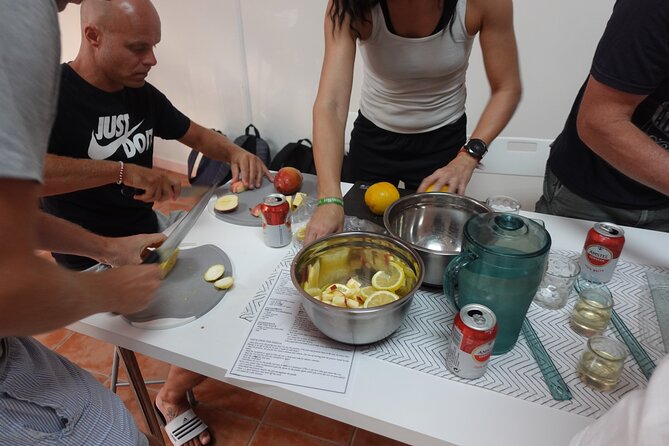
Paella needs time, and the class uses that waiting period well. While the rice cooks, you prepare sangria and share a selection of small dishes.
The extra food can include Iberian ham, local sausage, olives, crisps, tomato salad with salted fish, and fresh fruit. This turns the class into a complete meal rather than a quick taste of the finished rice. It also gives you more chances to try foods you may not order on your own.
The tomato and salted-fish salad is particularly useful for understanding the local preference for simple ingredients with strong flavor. The ham and sausage add a second look at Spanish cured foods, while olives provide a reminder that local eating is often built around small shared plates.
You also make the sangria yourself. The traditional mixture includes wine, orange juice, soda, syrup, liqueur, and fruit. If you prefer straight wine, the finished drink may seem sweet or diluted. That is not a mistake in the class. It is the intended sangria recipe, and the combination is designed as a mixed drink rather than a glass of table wine.
Alcohol is served only to participants aged 18 or older. The details do not say what nonalcoholic alternative is available, so ask ahead if that matters to you.
More Sangria and Tapas Tours in Alicante:
- Barcelona Paella Cooking Class with Market Visit, Tapas & Sangria
★ 5.0 · 2,531 reviews - Spanish Cooking Class Paella Tapas and Sangria in Madrid
★ 5.0 · 1,340 reviews - Barcelona Food Tour: Tapas, Paella, Sangria & 8+ Local Tastings
★ 5.0 · 1,275 reviews - Valencian Paella Cooking Class, Tapas & Sangria – Evening
★ 5.0 · 303 reviews
Eating the paella you helped prepare
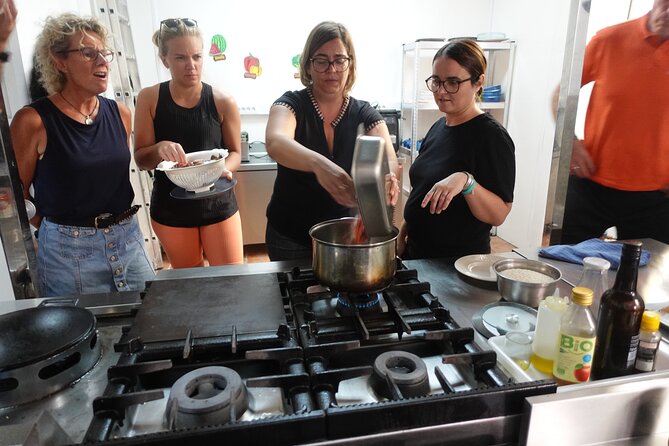
The best part comes when you sit down with the finished paella. You have seen the ingredients at the market, helped prepare the broth and sofrito, and taken part in cooking the rice. That gives the final meal more meaning than eating a restaurant paella without knowing how it was made.
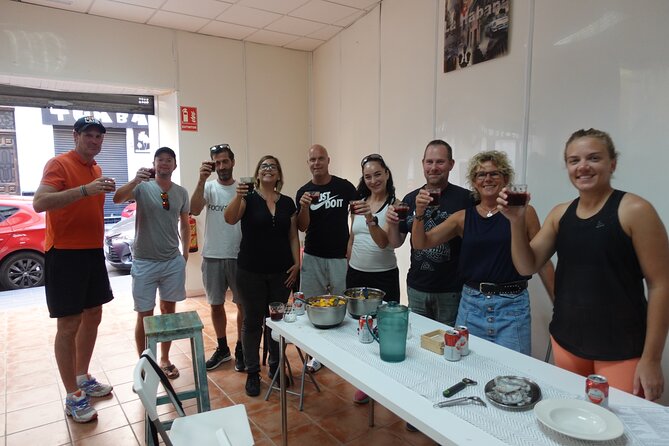
The food is served in a friendly shared setting, and the class encourages people to talk while they eat. Several group sizes have been reported, from very small groups of five to around a dozen people. With a smaller class, it should be easier for everyone to cook and ask questions. With a larger class, the social energy may be higher, but your individual time at the pan could be shorter.
The meal appears generous in variety even if the paella itself is not loaded with seafood. Along with the rice and sangria, you may have ham, sausage, salad, olives, crisps, and fruit. I would think of this as a food lesson followed by a shared lunch or dinner, not as an unlimited seafood feast.
Price, timing, and practical value
The listed price is $59.26 per person for about three hours and 30 minutes. That is fair value if you want several experiences in one: a guided market visit, a cooking lesson, drinks, tapas, and a complete meal.
The price also covers the work of two hosts in some sessions, the ingredients, kitchen use, and the preparation required before and during the class. You are paying for instruction and local food access, not simply for a plate of paella.
The value is weaker if you only want to eat paella cheaply. Alicante has restaurants where you can order rice for less than the cost of this experience. The extra money here pays for access to the market, explanations about ingredients, and the chance to prepare the dish yourself.
The class is offered in English and includes a mobile ticket. It starts and finishes at Plaza 25 de Mayo, and the meeting point is near public transportation. The activity ends back at the original meeting point, so allow enough time afterward if you have a train, cruise departure, or another fixed appointment.
The experience is often booked about 19 days ahead. That suggests reserving early during busy periods, especially if you want a particular date or a smaller group. Free cancellation is available up to 24 hours before the start time. Changes or cancellations inside that window are not accepted, and the class may be canceled if its minimum number is not reached.
Who will enjoy this class most
I would recommend it to you if you like learning by doing. You do not need to be a skilled cook, but you should enjoy handling ingredients, sharing work with other people, and eating a meal in a social setting.
It is also a good fit for anyone who wants more food context in Alicante. The market visit explains products that you may otherwise pass without understanding, including seafood, ham, olives, salted fish, and local sausage.
Couples, families with adult children, and solo participants can all fit into the format. The class brings together people who may not know one another, and the shared preparation gives everyone an easy subject to talk about.
It may not suit you if you want a quiet private lesson, a short demonstration, or a large seafood portion. The group can reach 15 or 16 people, and the focus is traditional rice technique rather than restaurant-style decoration.
Final verdict: should you book it?
I would book this class if you want to understand Alicante through its food, not just sample a finished dish. The Central Market visit, salmorreta lesson, local ingredients, and patient guides such as Federico give the experience real substance.
Go in expecting a traditional rice dish centered on stock and flavor, not an oversized pile of seafood. Choose it for the market, the cooking, the stories, and the shared meal. If those details appeal to you, $59.26 is a sensible price for a half-day activity that gives you both a meal and a skill to take home.
FAQ
Where does the paella and sangria class begin?
The class begins at Plaza 25 de Mayo, 03004 Alicante, outside the Mercado Central.
Does the activity end at the same place?
Yes. The activity ends back at the meeting point.
How long does the experience last?
It lasts approximately three hours and 30 minutes.
What types of paella can I choose?
You can choose seafood, meat, or vegetarian paella.
Is the class offered in English?
Yes. The class is offered in English.
What is the cancellation policy?
You can cancel at least 24 hours before the start time for a full refund. Cancellations or changes made less than 24 hours before the experience are not accepted for a refund.
More Shopping Trips in Alicante
- San Sebastian Pintxo Food, Wine & Market Foodie Tour(Small Group)
★ 5.0 · 621 reviews - Madrid Tapas & Paella Cooking Experience with Local Market Visit
★ 5.0 · 432 reviews - Seafood paella cooking class, tapas and visit to Ruzafa market.
★ 5.0 · 328 reviews - Real Paella Cooking Class – Market Visit & Sangría Workshop
★ 5.0 · 291 reviews
More Market and Tapas Tours in Alicante
- Alicante Tour: Full City, Castle, Market & Tapas Experience
★ 5.0 · 20 reviews - Alicante: Central Market Guided Food Tour with Tapas Bars
★ 5.0 · 5 reviews - All of Alicante with the Castle, Market, and Tapas. Small group, max 6 people
★ 5.0 · 4 reviews - Valencian paella cooking class, tapas and visit to Ruzafa market.
★ 5.0 · 828 reviews
Just added around Alicante
- Winery Visit and Tasting in Elche with wines and tapas from Alicante in Van★ 5.0 · 9 reviews
- Wine and Tapas Tasting Tour from Alicante, Private Van★ 5.0 · 4 reviews
- Alicante Evening Tapas tour★ 5.0 · 27 reviews
- Evening Spanish Tapas Cooking Class with Live Guitar Music★ 4.5 · 20 reviews
- Vibrant Flamenco Show and Tapas Menu in Alicante★ 5.0 · 19 reviews
- Alicante Tour: Full City, Castle, Market & Tapas Experience★ 5.0 · 20 reviews
- Tapas Tour★ 4.5 · 13 reviews
- From Alicante: Winery Tour and Wine Tasting with Tapas★ 4.5 · 22 reviews
Paella Cooking Classes, compared.
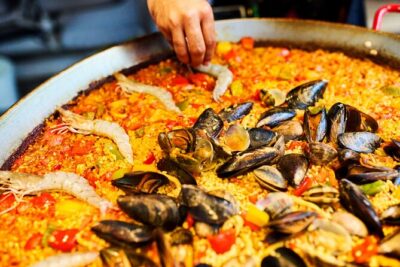
Barcelona Paella Cooking Class with Market Visit, Tapas & Sangria
Read our review →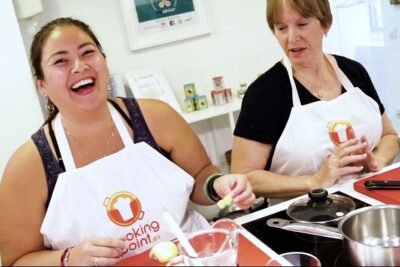
Spanish Cooking Class Paella Tapas and Sangria in Madrid
Read our review →
Barcelona Food Tour: Tapas, Paella, Sangria & 8+ Local Tastings
Read our review →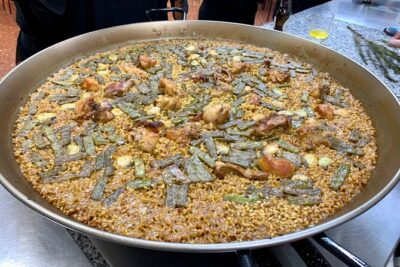
Valencian paella cooking class, tapas and visit to Ruzafa market.
Read our review →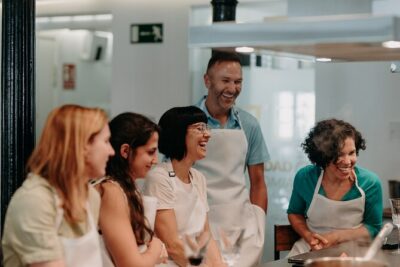
Madrid Tapas & Paella Cooking Experience with Local Market Visit
Read our review →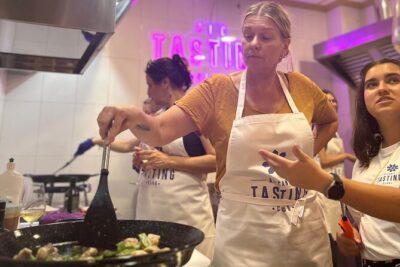
Alicante Paella Cooking Class, Tapas, Drinks and Marketplace
Read our review →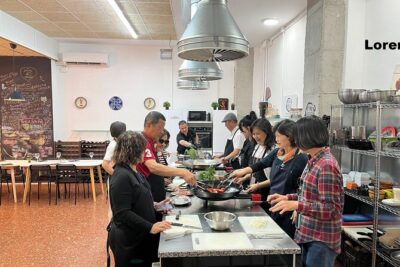
Seafood paella cooking class, tapas and visit to Ruzafa market.
Read our review →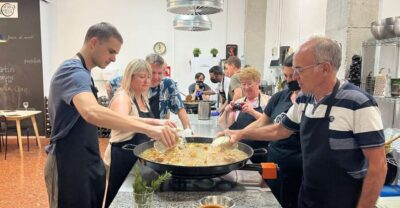
Evening Guided Paella Workshop, Tapas, and Drinks
Read our review →Browse the lists this tour appears in