Review · MADRID
Madrid: Paella & Tapas Cooking Class and Market Visit
Paella begins at the market. This 3.5-hour Madrid food experience pairs a guided market visit with hands-on cooking in a private kitchen, and I especially like the small group of 12 or fewer and the chance to learn several dishes instead of watching one chef do all the work. The market stop gives the meal a local setting, while the class turns Spanish food into something you can repeat at home.
I also like the warm, social format: vermouth, a cheese plate, croquetas, patatas bravas, paella, fruit, and wine or beer make this more than a lesson. The main drawback is that the class is not suitable for vegans, people with gluten or lactose intolerance, wheelchair users, strollers, or children under 12, so check the restrictions before booking.
Key points at a glance
- Market first, kitchen second: Start near a historic Madrid market and shop for fresh ingredients with your guide.
- Four-part Spanish meal: Prepare a Basque tapa, homemade croquetas, patatas bravas with two sauces, Valencian paella, and dessert.
- A proper Spanish aperitivo: Taste sweet vermouth and learn how it fits into local food culture.
- Strong guide-led experience: Guides including Dan, Danny, Daniel, Benny, and Arantxa have been praised for their cooking skill, humor, and cultural explanations.
- Good value for a meal and lesson: At $112 per person, the price includes the market visit, instruction, food, aperitif, lunch, and drinks.
- Practical limits: English is the tour language, comfortable shoes are needed, and the meeting point can vary by booking option.
Why the market visit matters
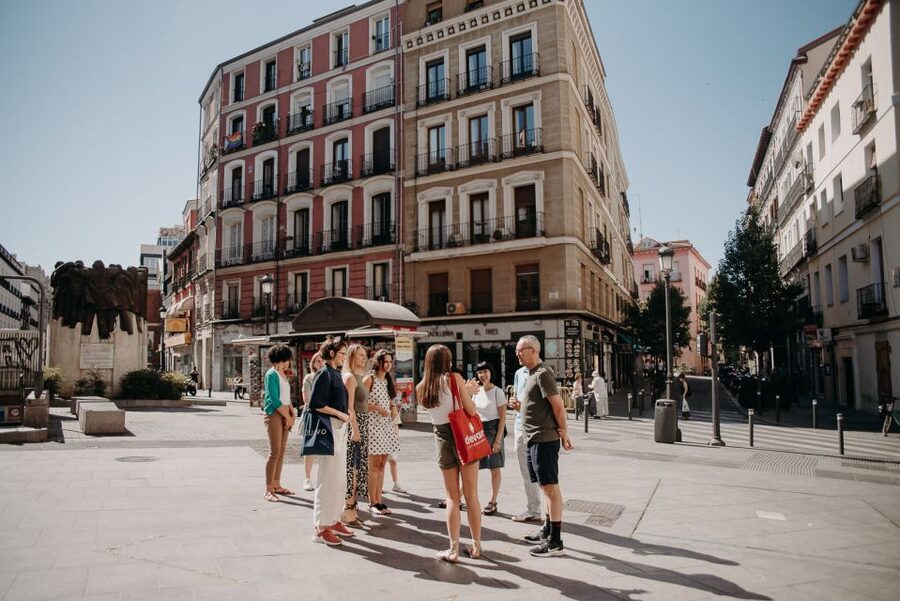
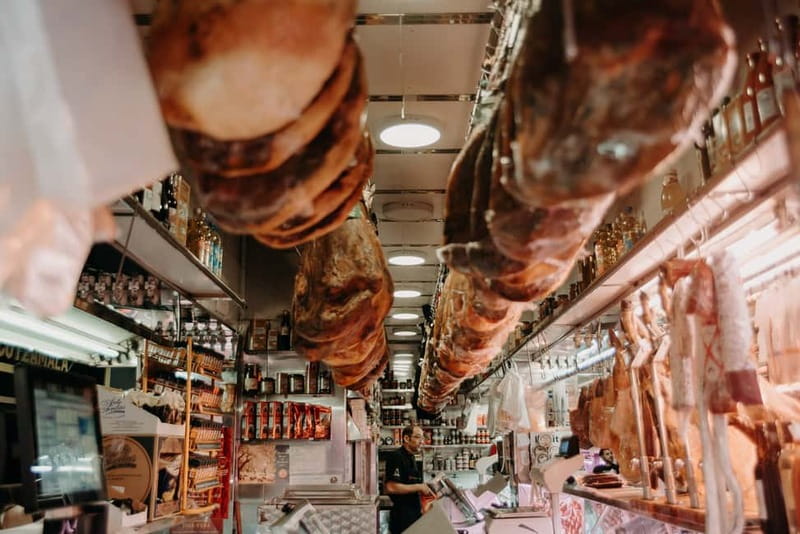
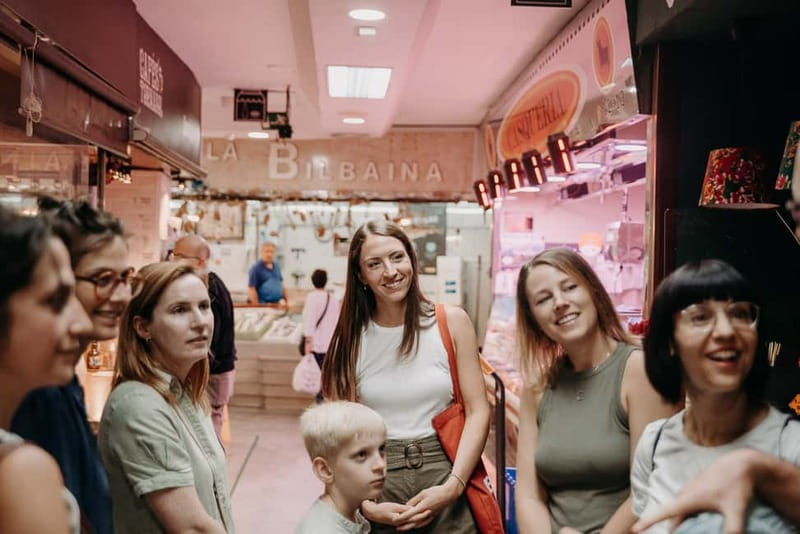
The experience starts near one of Madrid’s historic markets, a place where local residents have shopped for generations. You do not simply pass through for a quick look. Your guide introduces the products that shape Spanish cooking, then helps you select fresh ingredients for the class.
That opening gives you useful context. Spanish food can look simple on the plate, but its character depends on the quality of the ingredients: cured products, cheese, vegetables, seafood, meat, and pantry staples. Seeing those foods in a working market helps you understand what belongs in an everyday Spanish kitchen.
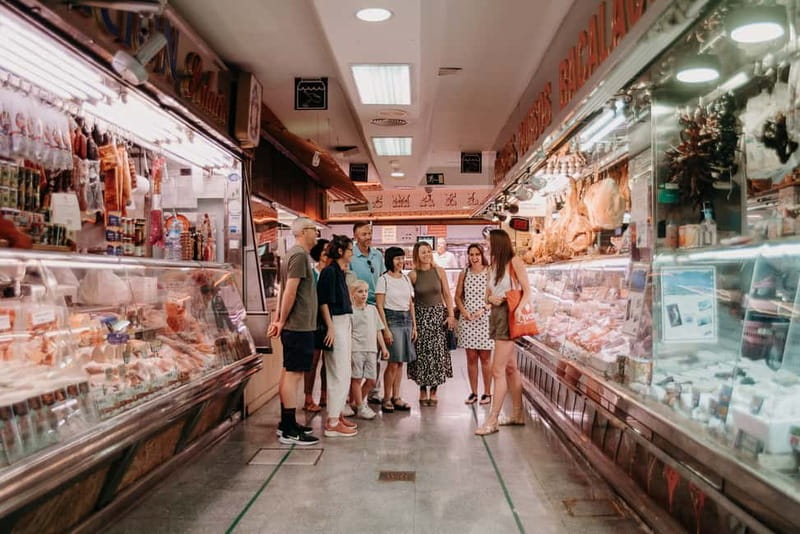
You can expect time to chat with vendors and examine the products before returning to the cooking space. The exact market and meeting point may depend on the option you choose, so read your booking details closely.
I like this part because it connects the cooking lesson to Madrid itself. You are not just following a recipe in an isolated studio. You first see the food in the setting where people buy it, then use those ingredients in a shared meal.
The market visit does add walking and standing before the class begins. Wear comfortable shoes, especially since the full experience lasts about three and a half hours and includes time on your feet.
More Paella Cooking Classes in Madrid
- Spanish Cooking Class Paella Tapas and Sangria in Madrid
★ 5.0 · 1,340 reviews - Madrid Tapas & Paella Cooking Experience with Local Market Visit
★ 5.0 · 432 reviews - Madrid: Paella & Sangria Classes- Seafood, Chicken & Vegan option
★ 5.0 · 265 reviews
Vermouth and a Basque tapa begin the class
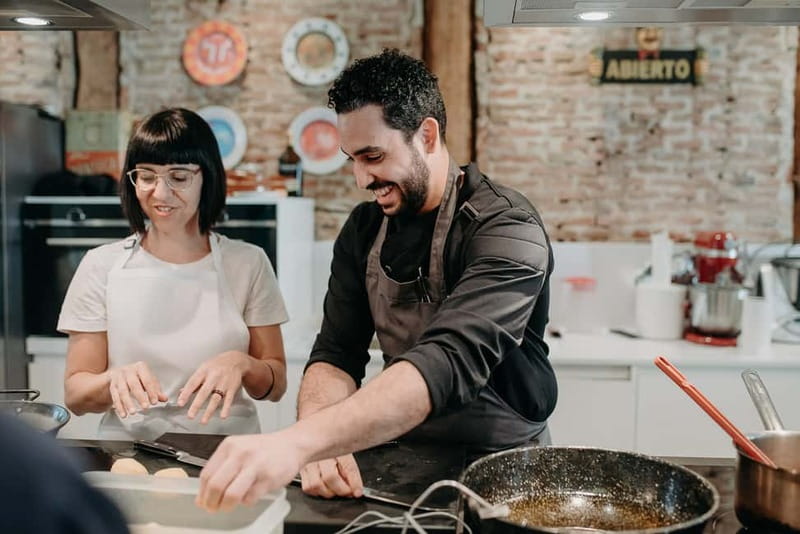
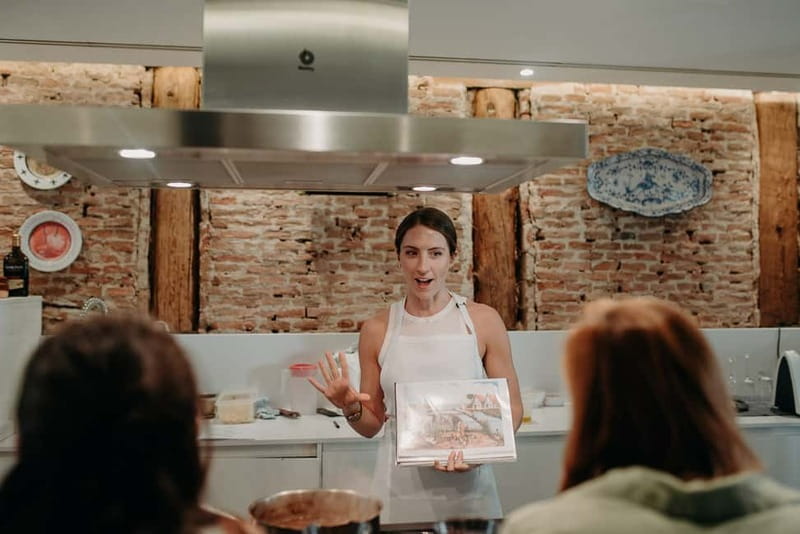
After the market, you head behind the scenes of a local restaurant in Madrid’s Huertas neighborhood. The cooking takes place in an attractive kitchen reserved for the group, with a local chef leading the session.
The class opens with a traditional aperitivo: sweet Spanish vermouth and a snack. Vermouth is not treated as a random welcome drink. You learn how locals enjoy it as part of a relaxed pre-meal ritual, which gives the first part of the class a distinctly Madrid feel.
You also assemble a cheese plate and a traditional tapa from the Basque region. This is a smart way to begin. You get your hands involved right away, but the first task is manageable before the hotter, more technical cooking starts.
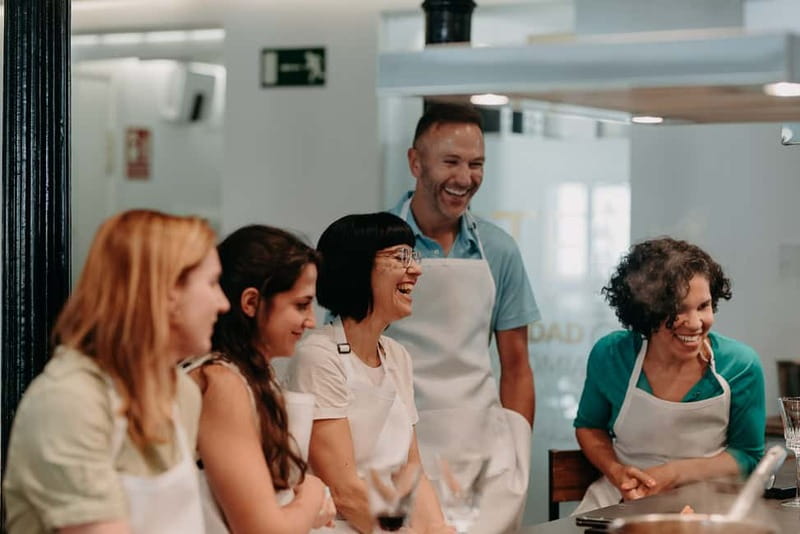
The format is social rather than formal. You work beside the other members of your group, share ingredients, and eat together as the meal takes shape. If you prefer a quieter, demonstration-only class, this may feel more active than expected. If you enjoy cooking with other people, that shared work is a major part of the appeal.
The guide also explains the cultural background of the dishes. Several guides have been praised for making the lesson friendly and entertaining, including Dan, Danny, Chef Daniel, Benny, and Arantxa. Their individual style can vary, but the experience depends heavily on having a chef who can teach, organize, and keep the group comfortable.
Croquetas and patatas bravas bring the hands-on work
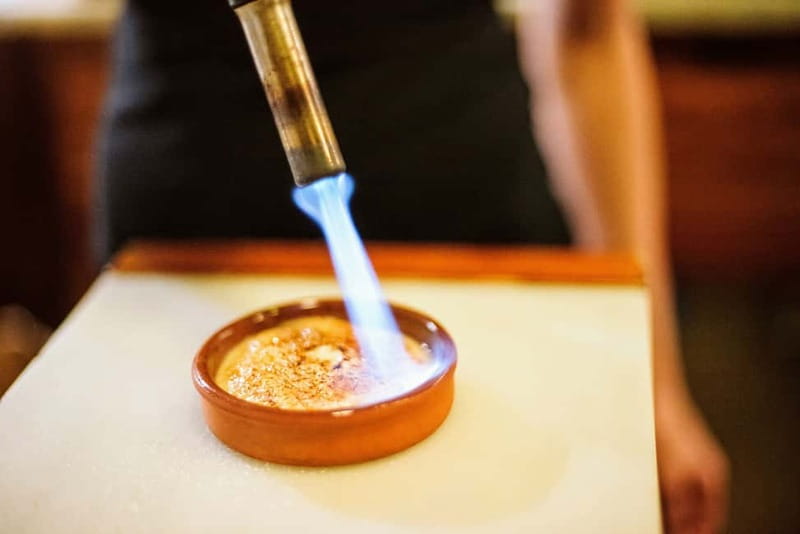
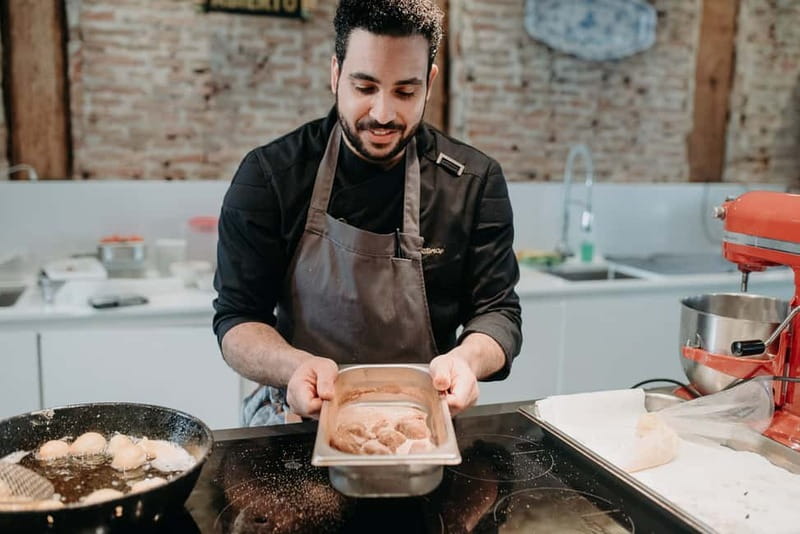
Next come two familiar Spanish staples: homemade croquetas and patatas bravas with two homemade sauces. These dishes are common on tapas menus, but preparing them yourself shows why texture and timing matter.
Croquetas are not just fried snacks. The mixture needs care, and the cooking process gives you a better sense of how a creamy filling becomes a crisp tapa. Patatas bravas offer a different lesson, with potatoes and sauces working together to create one of Spain’s most recognizable bar foods.
The recipes also give the class useful range. You are not spending the whole afternoon on paella alone. By the end, you have practiced smaller dishes that can work for a casual meal at home, a dinner party, or a Spanish-themed spread.
The class includes several recipes and, according to one participant, a PDF cookbook. That is valuable because cooking lessons often feel clear in the room and hazy once you are back home. A written guide gives you a better chance of remembering the steps, ingredients, and sauces.
Dietary needs need attention here. Vegetarian, pescatarian, gluten-free for people who are not celiac, non-alcoholic, and pregnancy-friendly adaptations are available. You must contact the provider ahead of time about allergies or restrictions so ingredients can be arranged. Vegans, people with lactose intolerance, and people with gluten intolerance are not suited to this class.
The paella lesson is the main event
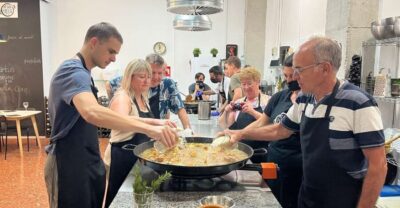
The centerpiece is an authentic paella from Valencia. Your guide explains the history of the dish and how to identify true paella Valenciana, rather than treating every rice dish served in a wide pan as the same thing.
That distinction is useful. Paella has become famous around the world, but its name and traditions are often handled loosely. A guide who explains the Valencian connection gives you more than a recipe. You learn why ingredients, preparation, and cooking style matter.
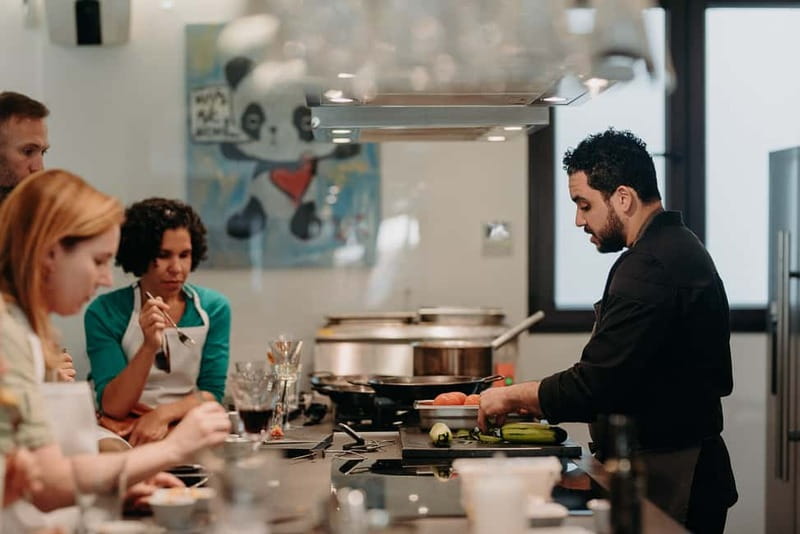
You work with the ingredients rather than simply watching the chef. The class description emphasizes using your senses, from smelling the cooking food to tasting and handling the ingredients. That practical approach helps you understand how the dish changes as it cooks.
You might find the paella portion especially rewarding if you want a recipe you can recreate after your trip. The meal is not presented as a restaurant secret that cannot leave the kitchen. The goal is to give you techniques and context you can use at home.
The group format also affects the lesson. With 12 people or fewer, there is a better chance to ask questions and get help than in a large demonstration. A private option is available if you want the entire session reserved for your own party, though the price and meeting details may vary by selected option.
The class does involve sharp knives, hot stoves, and high surfaces. That is why children under 12 are not accepted. Comfortable shoes are a practical choice, and you should expect an active kitchen rather than a sit-down food tasting.
More Spanish Cooking Classes in Madrid
- Taste of Spain: Tapas Cooking Class with Bottomless Wine Pairing
★ 5.0 · 414 reviews - Madrid: 10 Tapas 2.5-Hour Cooking Class
★ 4.7 · 222 reviews - Tapas & Paella Cooking Class in Madrid with a Professional Chef
★ 5.0 · 177 reviews - 10 Tapas Cooking Class Experience in Madrid with Sangria
★ 5.0 · 137 reviews
Lunch turns the class into a full Madrid meal
Once the dishes are ready, you sit down to eat what you helped prepare. Lunch includes the Basque tapa, croquetas, patatas bravas, paella, and seasonal fruit from the market for dessert, along with your choice of beer or wine.
This is where the $112 price becomes easier to assess. You are paying for a guided market visit, ingredients, a 3.5-hour cooking experience, several dishes, a full lunch, an aperitif, and drinks. You also leave with cooking instruction and, in at least some sessions, a recipe PDF.
It is not the cheapest way to eat in Madrid. You could order tapas and paella for less, especially away from the city center. But a restaurant meal would not include the market tour, the kitchen access, or the chance to prepare the food yourself.
The meal also gives the class a natural finish. You are not rushed out after the final recipe. Sitting together over the food creates the relaxed, friendly feel that several participants appreciated, and it gives you time to ask follow-up questions about Spanish ingredients and cooking traditions.
Portions appear generous based on the menu and the comments about leaving full. If you are looking for a light tasting menu, this may be more food and drink than you need. If you want lunch built into a half-day activity, the generous format works well.
The guides shape the experience
The strongest part of the class is likely to be the person leading it. The feedback consistently praises the chefs’ warmth, cooking ability, and cultural explanations.
Dan has been described as both entertaining and an excellent chef. Danny has received praise for sharing his love of cooking, traditions, and Spanish culture. Chef Daniel is noted for explaining the cultural background of the food as well as the practical steps.
Benny is praised for giving patient support during the cooking and for paying attention to the group’s needs, including keeping drinks topped up. Arantxa has received especially warm praise for combining market knowledge, cooking skill, humor, and a welcoming manner.
You should not expect every session to feel identical. The guide may influence the pace, the amount of explanation, and the personality of the afternoon. Still, the repeated praise for different instructors points to a strong teaching setup rather than one lucky guide.
The language is English. That makes the class accessible to English-speaking visitors who want detailed explanations, though you will not get the same language practice as you would in a Spanish-language cooking course.
Who will enjoy this class most
I would recommend this experience to you if you enjoy food, like meeting people, and want an activity with more substance than a standard meal. It suits couples, friends, solo visitors comfortable joining a small group, and families with older children who meet the minimum age.
It is especially useful early in a Madrid visit. The market walk introduces local ingredients, and the food lesson gives you a better feel for dishes you may see in bars and restaurants later in the trip.
You should also consider it if you want to take Spanish cooking skills home. The class covers enough dishes to make the recipe collection practical, not just decorative. Paella is the headline, but croquetas, patatas bravas, the cheese plate, and the Basque tapa give you several ideas for future meals.
This is less suitable if you want a quiet, private meal with no kitchen work. The group works together, and the experience includes standing, handling food, and using hot cooking equipment. It is also a poor fit for strict dietary restrictions because the class cannot accommodate vegans, lactose intolerance, or gluten intolerance.
People with mobility impairments should note that the activity is not suitable for wheelchairs or strollers. The market and kitchen format can include standing, movement, sharp tools, and high surfaces.
Practical planning for the 3.5-hour session
The duration is long enough to feel substantial without taking up the whole day. You have time for the market, aperitif, cooking, explanations, and lunch, but you should not schedule a major timed attraction immediately afterward.
The meeting point varies by the option booked. Check the exact location before setting out, particularly because the market and cooking venue are connected parts of the experience but may require you to meet at a specific address.
Hotel pickup and drop-off are not included. Plan to make your own way to the meeting point and allow enough time to arrive comfortably.
The activity offers free cancellation up to 24 hours in advance, and you can reserve now while paying later. That flexibility helps if your Madrid schedule is still changing, but food restrictions should be raised before the class rather than at the last minute.
The overall rating is 5 out of 5 from 50 reviews, with repeated praise for the chefs, food quality, cultural instruction, and friendly atmosphere. I would treat that as a strong sign that the basic format works well, while still paying attention to the clear limits around mobility, age, and diet.
Is the Madrid paella and tapas class worth booking?
Yes, if you want to cook, eat, and learn in one well-paced Madrid activity. The market visit gives the class a local foundation, the menu offers plenty of food, and the chefs add cultural explanation instead of handing you a recipe and sending you home.
At $112 per person, I see good value for anyone who would otherwise pay separately for a food tour and lunch. Book it if paella, tapas, and Spanish cooking are high on your list, especially if you want recipes you can use later.
Skip it if you are vegan, cannot eat gluten or lactose, need wheelchair access, or prefer a passive food tour. For everyone else, wear comfortable shoes, arrive ready to work, and come hungry.
FAQ
How long does the Madrid paella and tapas class last?
The experience lasts 3.5 hours, including the market visit, cooking workshop, and meal.
What food will I prepare?
You will prepare an authentic Valencian paella, homemade croquetas, patatas bravas with two homemade sauces, a traditional Basque tapa, a cheese plate, and dessert using seasonal fruit from the market.
Are drinks included?
Yes. The experience includes a traditional vermouth aperitif, plus your choice of beer or wine with lunch. Non-alcoholic options can be arranged.
Is the class taught in English?
Yes. The live guide and cooking instruction are in English.
How large is the cooking group?
The small-group class has 12 people or fewer. A private cooking class is also available as an option.
Can dietary restrictions be accommodated?
Vegetarian, pescatarian, gluten-free for people who are not celiac, non-alcoholic, and pregnancy-friendly options are available. Contact the provider ahead of time about allergies or dietary needs. The class is not suitable for vegans or people with gluten or lactose intolerance.
Is the class suitable for children?
No. Due to sharp knives, hot stoves, and high surfaces, the experience is not suitable for children under 12.
Is hotel pickup included?
No. Hotel pickup and drop-off are not included, and the meeting point may vary depending on the option booked.
More Shopping Trips in Madrid
- Valencian paella cooking class, tapas and visit to Ruzafa market.
★ 5.0 · 828 reviews - San Sebastian Pintxo Food, Wine & Market Foodie Tour(Small Group)
★ 5.0 · 621 reviews - Seafood paella cooking class, tapas and visit to Ruzafa market.
★ 5.0 · 328 reviews - Alicante Paella Cooking Class, Tapas, Drinks and Market
★ 4.9 · 301 reviews
More Market and Tapas Tours in Madrid
- Madrid: Ultimate Food Tour of Local Markets & Tapas
★ 4.8 · 151 reviews - Try Madrid Best Churros, Tapas & Market by FLT
★ 5.0 · 37 reviews - Madrid Gourmet Tour: Local Markets, Tapas & Wine
★ 5.0 · 2 reviews - Barcelona Paella Cooking Class with Market Visit, Tapas & Sangria
★ 5.0 · 2,531 reviews
Just added around Madrid
- Try Madrid Best Churros, Tapas & Market by FLT★ 5.0 · 37 reviews
- Private Wine & Gourmet Tapas Tour in Madrid with Sommelier★ 5.0 · 49 reviews
- Madrid Food Tour – Tapas Walking Tour★ 5.0 · 3 reviews
- Madrid: Private Tapas & Wine Food Walking Tour in La Latina★ 5.0 · 4 reviews
- Culinary tour “Tapas & Wines” in Madrid★ 5.0 · 3 reviews
- Tasting Madrid: Tapas Private Guided Tour (Customizable)★ 5.0 · 7 reviews
- Guided Tapas and Flamenco in Madrid★ 4.5 · 21 reviews
- Flamenco show & tasting Tapas with panoramic views in Madrid★ 4.5 · 6 reviews
Paella Cooking Classes, compared.
Barcelona Paella Cooking Class with Market Visit, Tapas & Sangria
Read our review →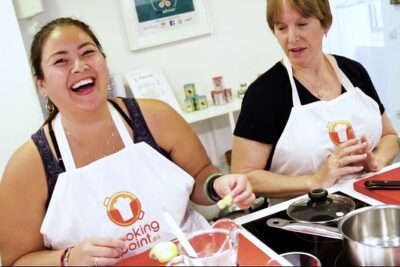
Spanish Cooking Class Paella Tapas and Sangria in Madrid
Read our review →
Barcelona Food Tour: Tapas, Paella, Sangria & 8+ Local Tastings
Read our review →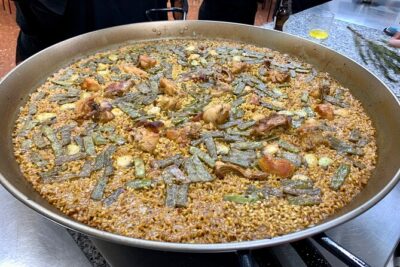
Valencian paella cooking class, tapas and visit to Ruzafa market.
Read our review →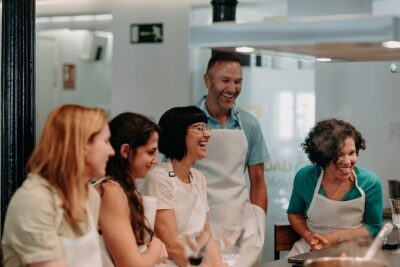
Madrid Tapas & Paella Cooking Experience with Local Market Visit
Read our review →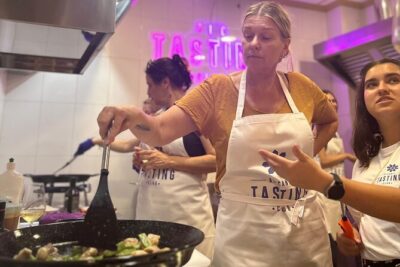
Alicante Paella Cooking Class, Tapas, Drinks and Marketplace
Read our review →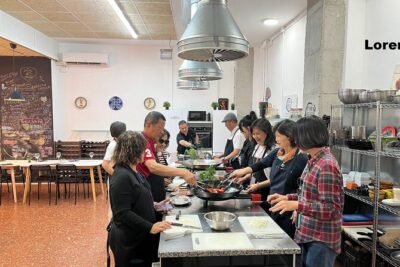
Seafood paella cooking class, tapas and visit to Ruzafa market.
Read our review →