
Review · VALENCIA
Valencia: Authentic Tapas & Drinks with a Local
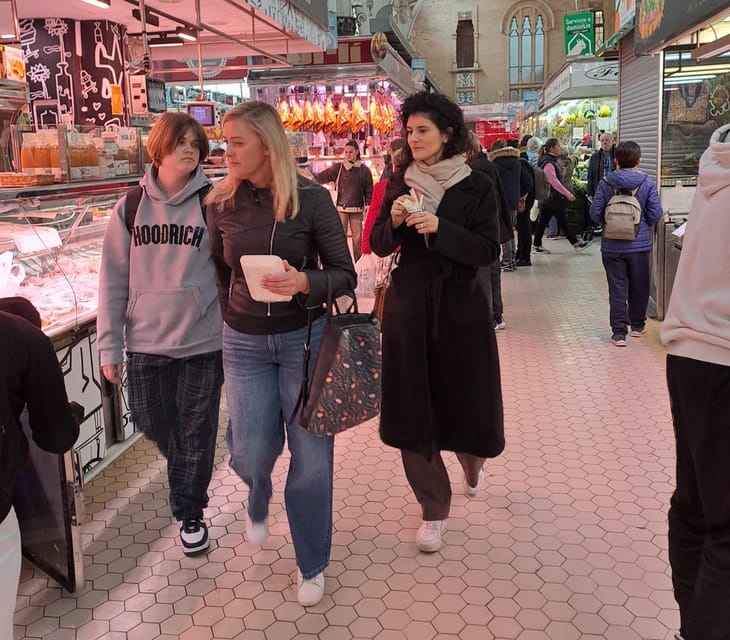
Valencia eats well after dark. This 3.5-hour food walk pairs the old city with four or more tapas stops, giving you a useful first taste of local dishes without asking you to plan every bar yourself. I like the mix of familiar Spanish favorites and Valencian specialties, especially esgarraet, clóchinas, and market ham and cheese. I also like the small groups, capped at 12, which leave room for questions and conversation.
The main drawback is that the exact food and drink selection can change with the season and partner availability. Dinner guests may receive Agua de Valencia, while lunch guests may get horchata and fartons instead. The tour also involves steady walking and is not suitable for people with mobility impairments.
Key points at a glance
- Four or more tasting stops: You visit several tapas bars rather than eating one large meal in one place.
- Valencian specialties included: Possible tastings include esgarraet, clóchinas, anchovies, croquetas, and horchata.
- Small-group feel: The maximum is 12 people, and smaller groups can feel almost private.
- A useful old-town route: The walk begins at Plaça del Comte de Bunyol and ends near Valencia Cathedral.
- Drinks are part of the meal: Water and alcoholic drinks are included, with Agua de Valencia available on some evening tours.
- Local guidance matters: Guides such as Aiana, Daniel, Veronique, and Anna have been praised for friendly conversation, food advice, and city knowledge.
Starting in Valencia’s old city
Meet at Comte de Bunyol Square, a practical starting point in Ciutat Vella. From here, the tour takes you through central Valencia on foot, linking food stops with old streets and city sights.
That combination is the real point of the experience. You are not simply sitting down for a fixed menu. You are moving through the center, learning how local food fits into daily life, then stopping to eat before continuing along the route.
I like this format for a first or second day in Valencia. It helps you get your bearings, and you can note places that deserve a return visit. The final stop is near Valencia Cathedral, so you finish in a useful sightseeing area rather than being left far from the center.
The walk lasts about three and a half hours. Wear proper walking shoes. Large bags and luggage are not allowed, and the route is not designed for people with mobility limitations.
A few more tapas tours around Valencia worth a look
- Valencia Old Town Tour with Wine & Tapas in 11th Century Historic Monument
★ 5.0 · 3,234 reviews - Valencia: Old Town Tour, Wine & Tapas in an 11th c. Monument
★ 4.9 · 1,797 reviews - Valencian paella cooking class, tapas and visit to Ruzafa market.
★ 5.0 · 828 reviews
Four stops, several small tastes
At least four food stops are included, with at least one serving at each stop. That does not mean you receive a full individual portion of every dish listed, so you should think of this as a progressive tasting meal rather than a restaurant dinner.
The pace is important. You can expect to walk between bars, eat a small dish, have a drink, and move on. That keeps the evening varied, though diners with large appetites may want a light snack earlier in the day.
The order and exact dishes can change. That flexibility is useful because fresh seafood and market products depend on the season, but it means you should not book solely for one promised item. Think of the menu as a strong sample of Valencian eating, not a fixed tasting card.
Patatas bravas and tortilla de patatas
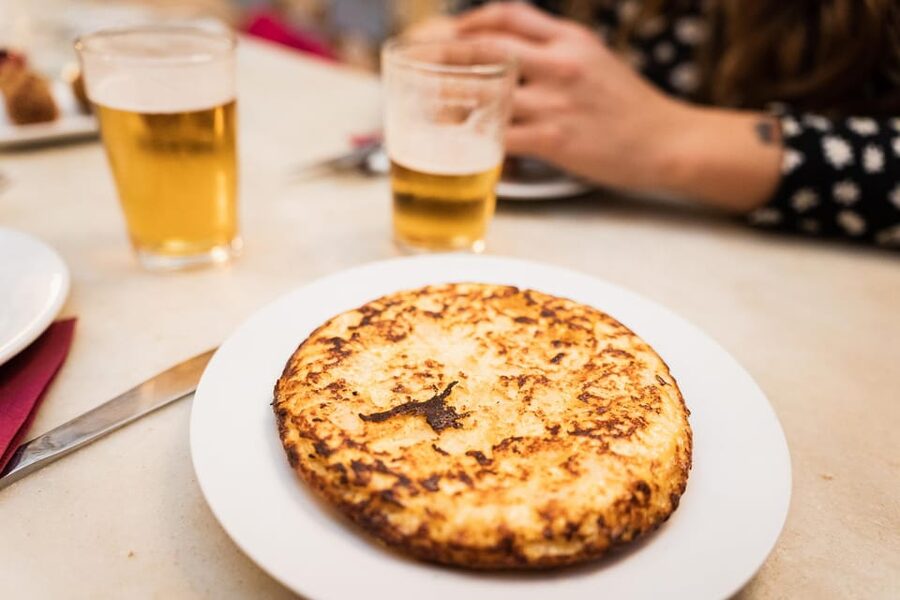
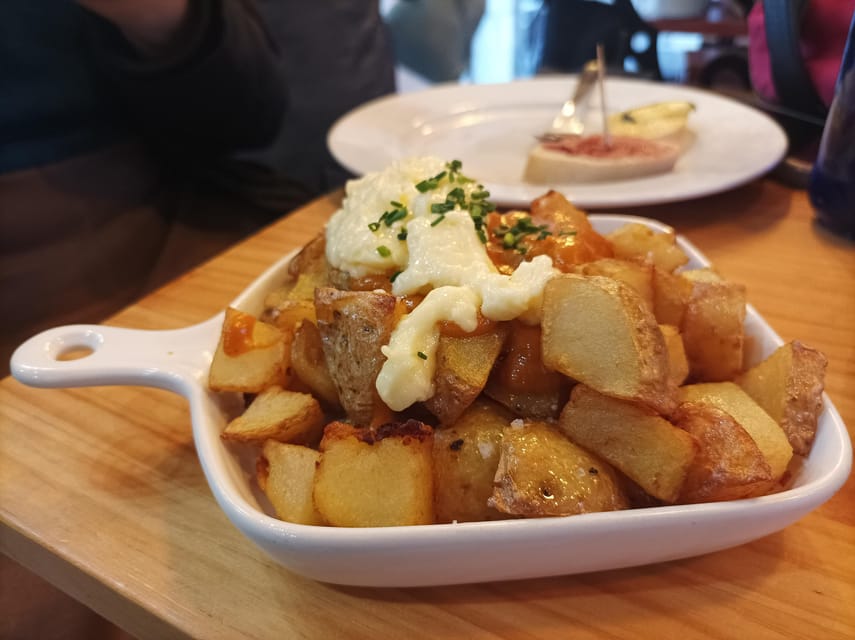
The opening dishes may include patatas bravas or tortilla de patatas, two Spanish standards that show how much flavor can come from simple ingredients.
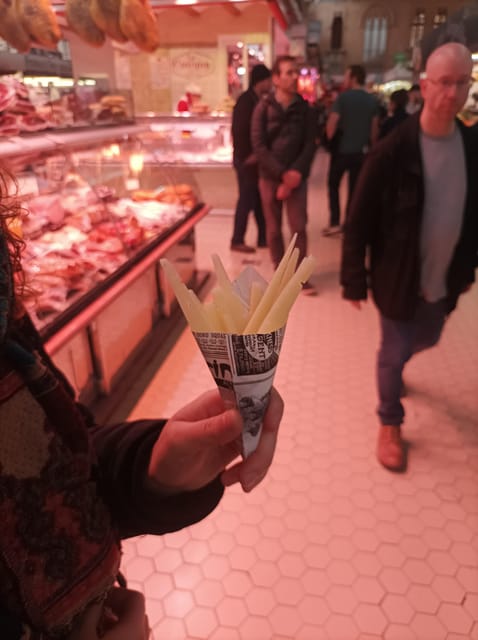
Patatas bravas are fried potatoes served with a spicy or savory sauce. They are familiar, filling, and easy to share. Tortilla de patatas is the thick Spanish potato omelet, useful as a small plate or a starter. It is a good early course because it gives you a comfortable introduction before the more distinctly Valencian flavors arrive.
I like having one of these recognizable dishes in the mix. If you have never tried Spanish tapas, you get an easy entry point. If you already know them, the interest comes from tasting how each bar handles a classic.
Anchovies and croquetas at local bars
Anchovies make sense in a city with a long connection to the sea. They are a small but powerful tapa, with a salty flavor that works well alongside bread and a drink.
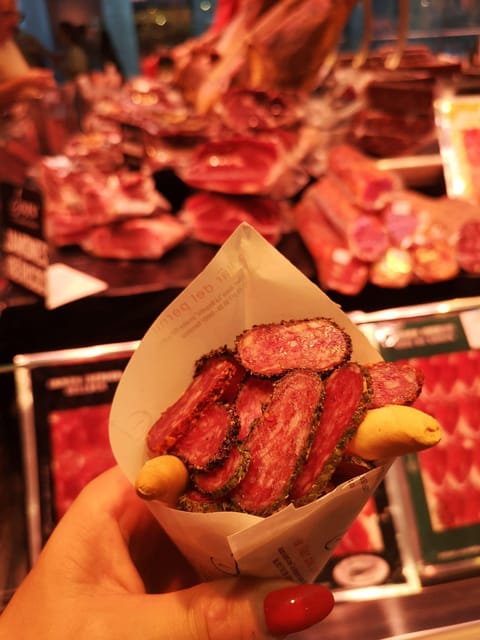
Croquetas provide a different texture. They are crisp outside and creamy inside, traditionally made with béchamel and pieces of cured ham. The contrast between seafood, potatoes, egg, and fried croquetas gives the tour a useful rhythm. It is not all heavy food, and it is not all delicate food either.
Several guides have been praised for choosing places that feel local rather than simply famous. Aiana, Daniel, Veronique, Anna, and others have received strong personal praise for selecting good stops and explaining the food. That guide choice matters here because the quality of a tapas walk depends as much on the route as on the dishes.
Same city, a different plate:
- Valencia: Tapas and Drinks Evening Tour
★ 4.8 · 489 reviews - Seafood paella cooking class, tapas and visit to Ruzafa market.
★ 5.0 · 328 reviews - Valencia: Evening Guided Paella Workshop, Tapas, and Drinks
★ 4.9 · 326 reviews - Valencian Paella Cooking Class, Tapas & Sangria – Evening
★ 5.0 · 303 reviews
Valencia’s Central Market flavors
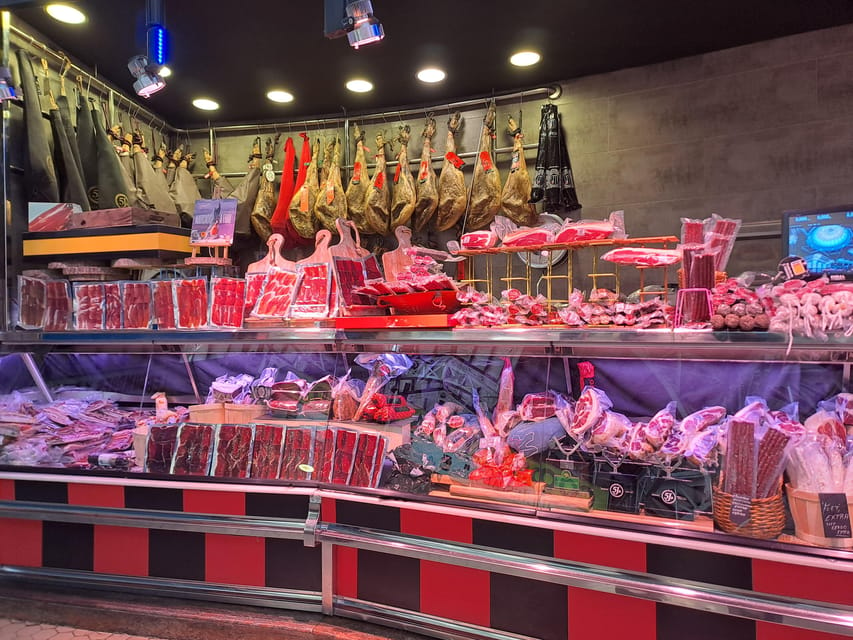
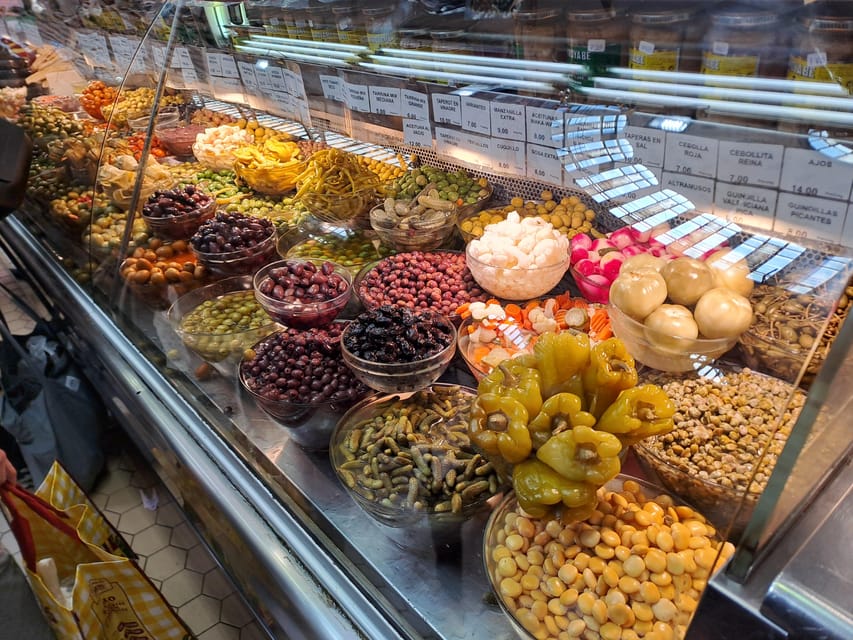
For lunch tours, the route may include typical ham and cheese at Valencia’s historic market. This stop adds a different setting from the bars and brings fresh produce, cured food, and Mediterranean flavors into the experience.
The market visit is especially useful if you are still learning what to buy in Valencia. You can see products in a working food setting rather than only receiving them on a plate. One guide was singled out for explaining the market well, which helped with choosing additional delicacies later.
The lunch-only detail matters. If you book an evening tour, you should not expect this market tasting. The same applies to some other daytime foods, so check the available start time if a market visit is important to you.
Clóchinas, Valencia’s smaller mussels
Clóchinas are small, thin Valencian shellfish related to mussels. They are one of the most regional dishes on the possible menu and are served at a historic Valencian bar known for fish and clóchinas.
This is the kind of item that makes the tour more than a standard Spanish tapas crawl. You are trying something tied specifically to the Valencian Community, not just ordering the same patatas bravas found across Spain.
Seafood can be a concern for some diners, so tell the guide about allergies before the tasting begins. The experience includes food at each stop, but the exact substitutions are not guaranteed in the details provided. One past group received useful help with allergens, which suggests that speaking up early is the sensible approach.
Esgarraet, a Valencian specialty
Esgarraet is a salad of roasted red pepper, salted cod, garlic, and extra virgin olive oil. It is one of the clearest examples of the local style: straightforward ingredients, strong taste, and a close link to the Mediterranean.
The roasted pepper brings sweetness, while cod and garlic add salt and force. If you prefer mild food, this may be more intense than the opening tortilla or potatoes. If you like savory dishes, it can be one of the best bites of the walk.
I appreciate that esgarraet appears alongside better-known tapas. You leave with a clearer sense of what belongs to Valencia rather than only what belongs to Spain as a whole.
Horchata and fartons at lunch
Lunch tours may visit one of Valencia’s oldest horchaterias for horchata and fartons. Horchata here is made with water, sugar, and wet or ground tigernuts. It is not dairy milk, despite the pale, creamy appearance.
Fartons are long, soft, sponge-like pastries made for dipping into the drink. Together, they form a classic Valencian pairing, especially associated with Alboraya and horchata shops around Valencia.
This stop gives the tour a welcome sweet finish during the day. It also shows that local food is not limited to savory bar plates. Again, it is listed as a lunch option, so evening participants should not count on receiving it.
Agua de Valencia after dark
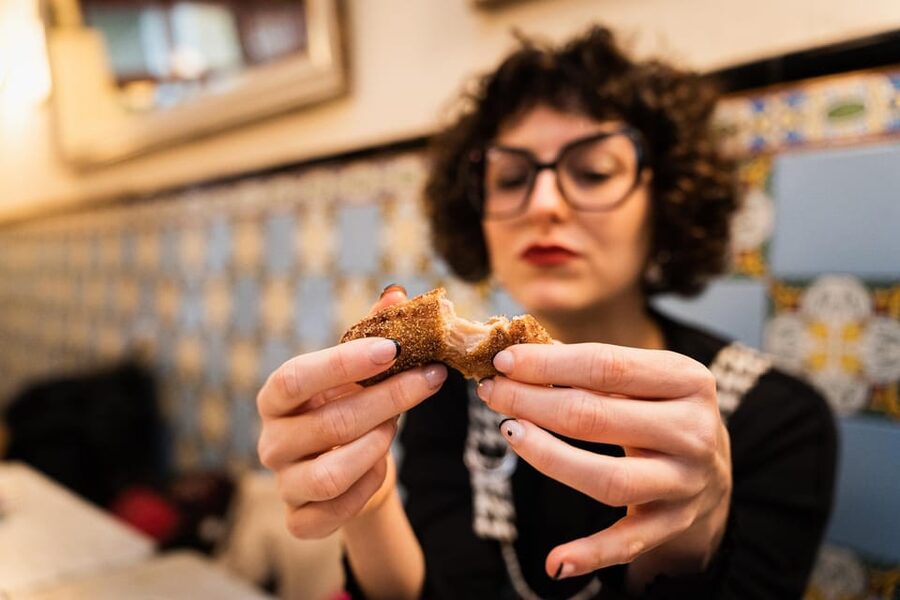
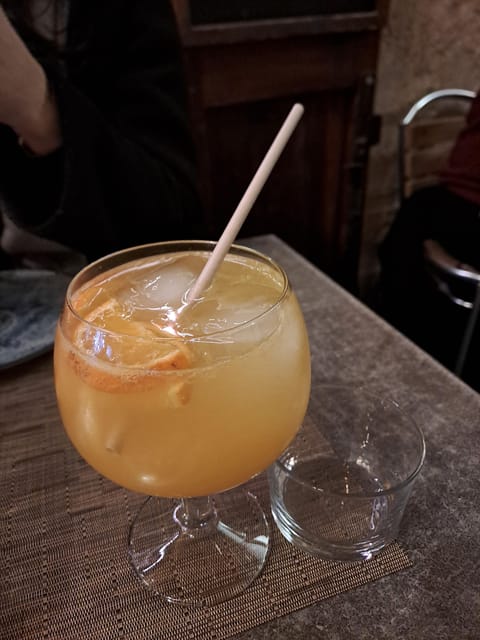
Dinner tours may include Agua de Valencia, the city’s best-known cocktail. It is a fresh, sparkling drink that can be enjoyed during the day or at night, and it has a Designation of Origin Certification.
The drink is part of the fun, but expectations should be sensible. One account praised the food and guide while finding the sangria and Agua de Valencia merely okay. That is useful context: the cocktail adds local character, yet the tour’s strongest point appears to be the food, route, and personal guidance rather than the drinks alone.
Water and alcoholic drinks are included. If you do not drink alcohol, tell the guide so the group can handle your preferences as clearly as possible.
What the guide adds to the meal
The guide is the difference between a food stop and a food experience. You are not only told what is on the plate. You can ask about Valencia, local customs, the market, and places to eat after the tour.
Aiana has been praised for adapting the route to the group’s tastes and for sharing her experience of living in Valencia. Daniel has been described as engaging and helpful with both city history and food. Veronique has been praised for making the walk feel like time spent with a friend, while Anna has been noted for answering questions and explaining the city.
Those comments point to a useful benefit: the tour can adjust in feel based on group size. A full group of 12 may be lively and social. A very small group can feel close to a private walk. One pair had only two people and found the experience especially personal.
The guide may speak both English and Spanish during the tour. The official languages are English and Spanish, so you should be comfortable following a bilingual conversation if both are used.
Group size, timing, and walking pace
The minimum group size is two, and the maximum is 12. If too few people book, the tour can be rescheduled. That is worth remembering if your Valencia schedule is tight.
Three and a half hours is enough time for several food stops without taking over the entire day. It is longer than a quick snack tour, but shorter than a full cooking class or a long evening meal. I would book it early in your stay, then use the guide’s suggestions for later meals.
The route is on foot through the old city. There is no hotel pickup or drop-off. You meet at the square and finish at Valencia Cathedral, so plan your own way to the starting point and your next activity.
Comfortable shoes are not a minor detail. Four or more stops mean repeated walking, standing, and movement through central streets. Large bags and luggage are not allowed, which is sensible in crowded food venues but inconvenient if you are arriving directly from a train or hotel change.
Is the $81 price fair?
At $81 per person, this is not the cheapest way to eat in Valencia. You could certainly order tapas for less if you already know where to go and are happy to manage the route yourself.
The price becomes easier to justify when you value the guide, the organization, and the number of stops. You receive a guided walk, food and drinks, at least one serving at each stop, and access to bars and market settings that might be harder to choose on your own. You also avoid spending time guessing which dishes represent Valencia.
Value depends on how much you eat. The portions are tasting portions, not a guaranteed full dinner. Light eaters may find the food sufficient, while hungry diners may want something afterward.
For a solo visitor, couple, or first-time visitor who wants conversation and local orientation, the price is reasonable. For a large group focused only on quantity, ordering independently may cost less.
Who should book this Valencia food walk?
I would recommend it to you if you enjoy trying several dishes, prefer walking to sitting in one restaurant, and want a local guide to explain what you are eating. It works particularly well for first-time visitors who want a quick introduction to central Valencia.
It also suits solo visitors. The small maximum group gives you a chance to meet people, and the guide can keep the conversation moving. The tour can be social, but it does not require you to organize a private group.
Food lovers should book with an open mind. The tasting list may change, and you need to accept that clóchinas, horchata, Agua de Valencia, or the market stop may depend on the time of day and availability.
I would hesitate if you need step-free access, dislike seafood, want a fixed menu, or need a large meal at every stop. I would also avoid booking it as your only evening plan if you are unwilling to walk for several hours.
Should you book it?
Book this tour if you want local dishes, a walk through Ciutat Vella, and a guide who can point you toward places you might otherwise miss. The strongest reasons are the food variety, the old-city route, and the personal help offered by guides such as Aiana, Daniel, Veronique, and Anna.
Choose a lunch departure for the market, horchata, and fartons. Choose dinner if Agua de Valencia and a livelier evening mood appeal to you. Just remember that the menu can change, portions are tasting-sized, and the route requires comfortable walking.
For many visitors, this is a smart way to start eating in Valencia: enough food to learn the local vocabulary, enough sightseeing to get oriented, and enough guide time to improve the rest of your stay.
FAQ
Where does the Valencia tapas tour start?
It starts at Comte de Bunyol Square, also known as Plaça del Comte de Bunyol, in Valencia.
Where does the tour finish?
The walk finishes at Valencia Cathedral.
How long does the experience last?
The tour lasts approximately three and a half hours.
How many food stops are included?
You visit at least four tasting stops. At least one serving of food is included at each stop.
What food might be included?
Possible tastings include patatas bravas, tortilla de patatas, anchovies, croquetas, ham and cheese, clóchinas, and esgarraet. The selection can change with the season and partner availability.
Are drinks included?
Yes. Water and alcoholic drinks are included. Dinner tours may include Agua de Valencia, while lunch tours may include horchata and fartons.
Is the market visit included on every tour?
No. The typical ham and cheese tasting at Valencia’s historic market is listed for lunch tours.
What languages does the guide speak?
The tour is offered in English and Spanish. The guide may use both languages during the walk.
Is the tour suitable for people with mobility impairments?
No. The experience is not suitable for people with mobility impairments and requires walking between stops. Comfortable shoes are recommended.
Just added around Valencia
- Valencia Old Town flavour walk: tapas & drinks by local★ 5.0 · 11 reviews
- Valencia: City Tour with Tapas Shore Excursion★ 5.0 · 9 reviews
- Valencia: Tapas and Sightseeing guided tour★ 4.9 · 9 reviews
- Valencia: Guided Private Bike Tour with Tapas and Drinks★ 4.6 · 2 reviews
- Valencia: Paella Cooking Class with Tapas and Drinks★ 5.0 · 25 reviews
- Valencia: Mysteries, Legends, & Local Tapas Experience★ 4.9 · 14 reviews
- Valencia: Street Food Tour including Paella & Tapas Tasting★ 5.0 · 2 reviews
- Valencia: Guided City Walking Tour with Tapas Tastings★ 3.8 · 3 reviews
Valencia Tapas Tours, compared.
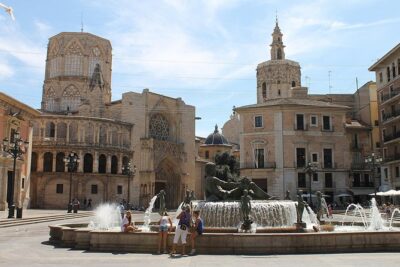
Valencia Old Town Tour with Wine & Tapas in 11th Century Historic Monument
Read our review →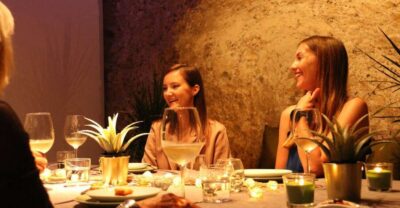
Old Town Tour, Wine & Tapas in an 11th c. Monument
Read our review →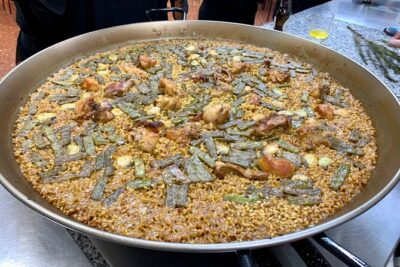
Valencian paella cooking class, tapas and visit to Ruzafa market.
Read our review →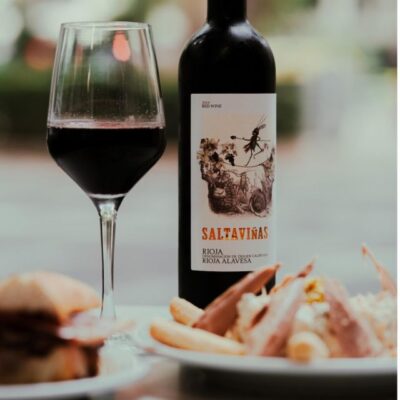
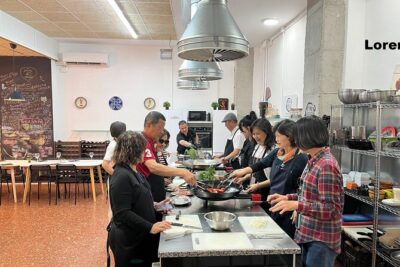
Seafood paella cooking class, tapas and visit to Ruzafa market.
Read our review →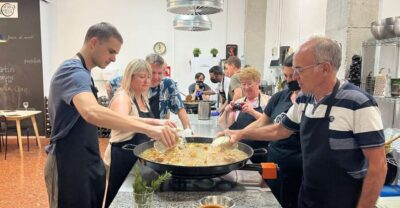
Evening Guided Paella Workshop, Tapas, and Drinks
Read our review →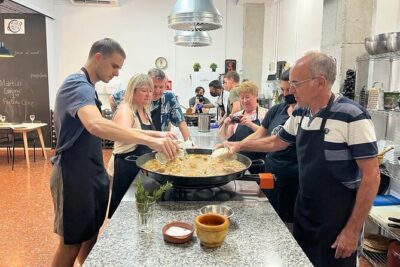
Valencian Paella Cooking Class, Tapas & Sangria – Evening
Read our review →
Real Paella Cooking Class – Market Visit & Sangría Workshop
Read our review →Browse the lists this tour appears in