Review · MADRID
Spanish Cooking Class Paella Tapas and Sangria in Madrid
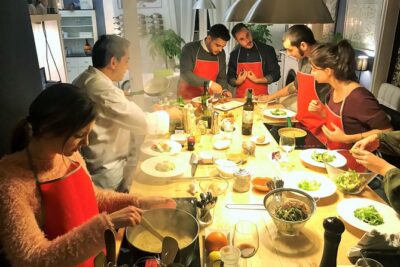
Madrid tastes better from a working kitchen. This four-hour class gives you a hands-on way to cook Spanish food, not just eat it, with an English-speaking chef guiding you through paella, tapas, sangria, or other dishes. I especially like the morning market visit and the small group limit of 12, which make the experience feel more personal than a standard demonstration.
I also like that you sit down and eat what you prepare, then take home a recipe booklet for another go later. The main thing to watch is the menu choice: the paella class and tapas class are different, and the evening tapas session does not automatically include paella. At $102.79 per person, this is not a cheap meal, but the food, drinks, instruction, market stop, and social setting make it a fair value for a special Madrid activity.
Key Points to Know Before Booking
- Choose paella in the morning or tapas in the evening: The two sessions offer different menus, so check the class name carefully before paying.
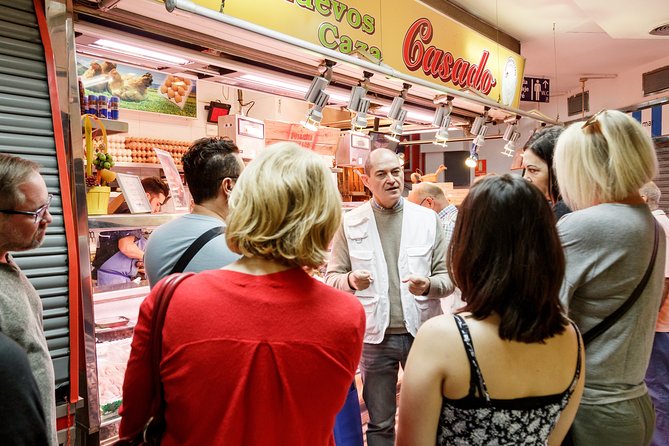
- Shop at a Madrid market: The morning class includes a guided visit to buy fresh ingredients and learn about Spanish food habits.
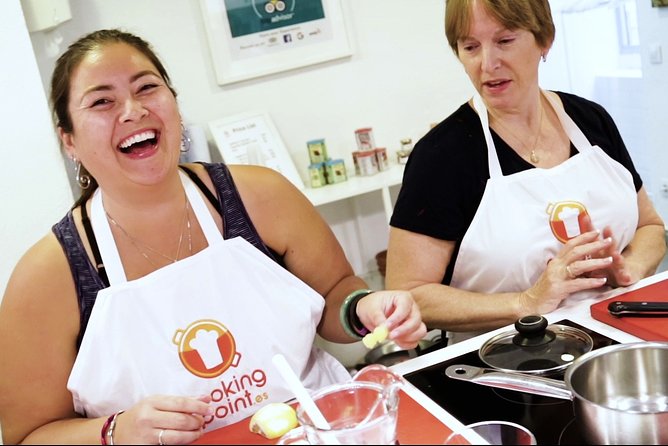
- Cook instead of watching: You work in pairs and prepare the dishes yourself with help from a local chef.
- Small groups keep the class manageable: The maximum is 12 people, with solo participants matched with a cooking partner.
- Food and drinks are part of the experience: Sangria and the meal are included, along with the recipe booklet.
- Dietary needs can be accommodated: Tell the provider about allergies or other requirements when booking.
Starting on Calle de Moratín in Central Madrid
The class begins at Cooking Point, at Calle de Moratín 11 in Madrid’s Centro district. It is near public transportation, and the activity ends at the same location, so you do not need to arrange a separate ride back after the meal.
That central setting is useful if you are building this into a day of sightseeing. You can visit nearby parts of central Madrid before or after class, though you should allow the full four hours rather than trying to squeeze in a tight appointment afterward. Cooking, eating, conversation, and the market visit all take time.
The class is offered in English, which matters when you are learning techniques rather than simply following a recipe. The chef explains what you are doing, answers questions, and adds notes about Spanish eating habits, ingredients, and food customs.
More Paella Cooking Classes in Madrid
- Madrid Tapas & Paella Cooking Experience with Local Market Visit
★ 5.0 · 432 reviews - Madrid: Paella & Sangria Classes- Seafood, Chicken & Vegan option
★ 5.0 · 265 reviews - Tapas & Paella Cooking Class in Madrid with a Professional Chef
★ 5.0 · 177 reviews
The Morning Market Visit and Paella Class
The morning option is the stronger pick if you want the full food experience. Before cooking, you walk with the chef to a local market to select fresh ingredients for the meal.
This is more useful than a quick photo stop. The chef can explain how produce, seafood, and meat are sourced and used in Spain, while also helping you understand the ingredients you will soon handle in the kitchen. The market visit gives context to the meal instead of presenting paella as a dish that appears from nowhere.
The chef may also discuss how local people eat and which ingredients are common in Spanish cooking. Several instructors are praised for making this part lively and practical. Angel is described as patient and clear, while Eduardo is especially good at explaining the food and helping the group choose ingredients. Teresa and Elisa are also noted for their humor, warmth, and clear teaching.
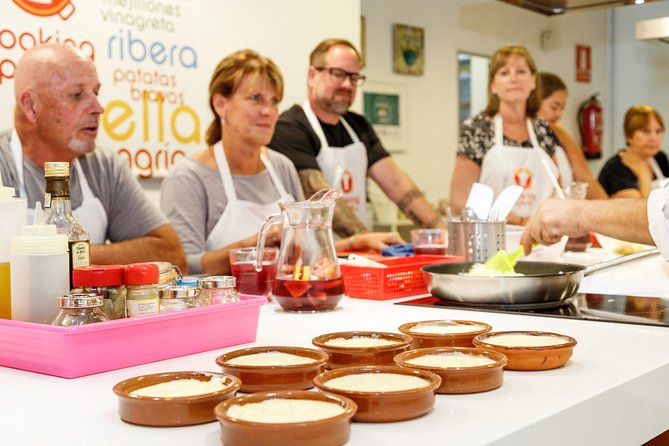
Back at the kitchen, you prepare the paella in pairs. This is not a class where you sit at a counter and watch a chef do everything. You chop, stir, season, and follow the cooking process with guidance nearby. The chef steps in when needed, but the point is to let you make the meal.
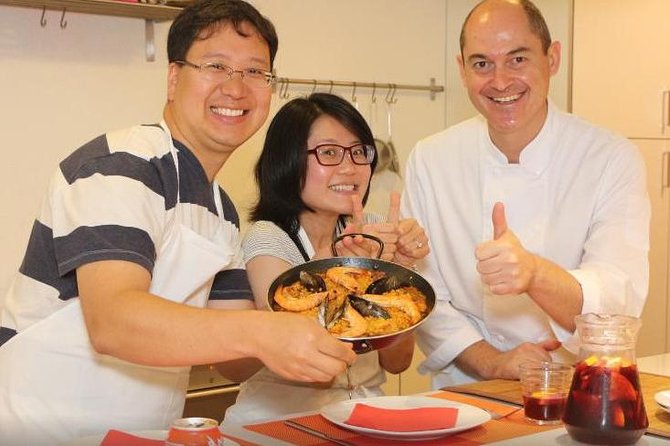
The morning menu includes paella and gazpacho, with sangria served as part of the meal. The gazpacho offers a simple lesson in balancing fresh flavors, while paella gives you a more involved Spanish dish to try again at home.
Paella can look intimidating because timing matters. The advantage of a class is that you can ask questions as the dish develops and see how each step affects the result. You may leave feeling capable of preparing it at home, though you should not expect restaurant-level mastery after one session.
The Evening Tapas Class: A Broader Spanish Menu
The evening class focuses on tapas rather than paella. This is an important distinction. Some people book expecting to prepare both, so read the title and menu carefully before choosing your time.
The tapas menu is broad and gives you several different techniques to try. It may include:
- Spanish potato omelet
- Garlic shrimp
- Chorizo in cider
- Patatas bravas
- Tomato bread with ham
- Crema Catalana
- Sangria
This variety is the main appeal. Instead of spending most of the class on one large dish, you move through several small plates with different textures and methods. You may learn how to prepare a potato omelet, make a sauce for patatas bravas, cook shrimp, and handle a traditional dessert.
The menu also makes the evening class a good introduction to Spanish food culture. Tapas are not one fixed recipe. They can be simple or elaborate, hot or cold, and served as a group meal rather than a single main course. Preparing several small dishes helps you understand how a Spanish table can offer many flavors at once.
The chorizo in cider and tomato bread with ham add familiar Spanish ingredients, while crema Catalana gives the meal a sweet finish. The exact experience can vary with dietary requirements and the class arrangement, so ask for clarification if a particular dish matters to you.
How Much Cooking You Actually Do
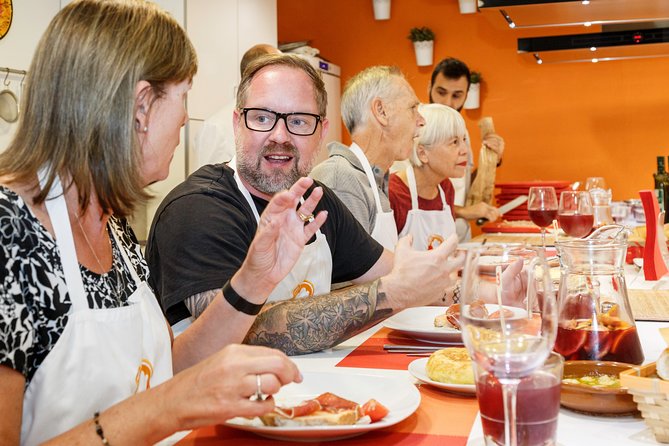
The strongest feature here is the amount of participation. You are placed in pairs, and solo participants are matched with a cooking partner. That setup keeps the work moving, but it also means you should be ready to share tasks.
The ingredients are prepared for the class, yet you still do the cooking. That is a useful middle ground. You avoid spending half the lesson on basic preparation, but you still practice the important parts of each dish.
The chef guides the group through the recipes and explains the reasons behind the steps. Angel, Eduardo, Teresa, and Elisa are all singled out for being patient, funny, clear, and engaged with the group. The teaching style appears to be friendly rather than formal, which suits beginners and people who cook often.
You should expect a social class rather than a quiet private lesson. You cook with other participants, eat together, and talk about food and travel. That can be a real plus if you are visiting Madrid alone or want an easy way to meet people. It may be less appealing if you prefer a private kitchen or a highly technical cooking workshop.
More Spanish Cooking Classes in Madrid
- Taste of Spain: Tapas Cooking Class with Bottomless Wine Pairing
★ 5.0 · 414 reviews - Madrid: 10 Tapas 2.5-Hour Cooking Class
★ 4.7 · 222 reviews - 10 Tapas Cooking Class Experience in Madrid with Sangria
★ 5.0 · 137 reviews - Madrid: Tapas & Paella Cooking Class with Expert Chef
★ 4.9 · 61 reviews
Eating the Meal You Made
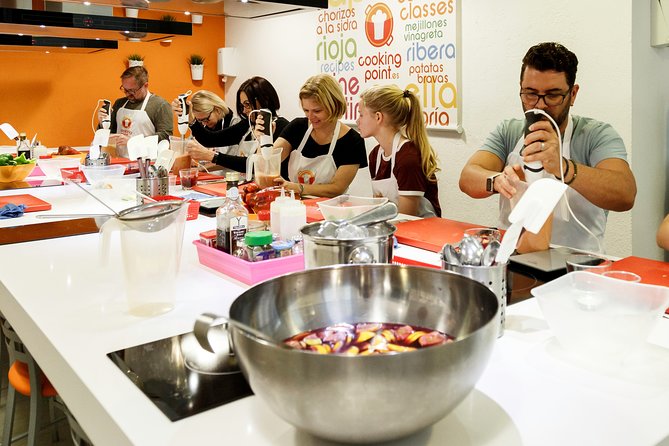
After the cooking is finished, everyone sits down to eat. This part gives the class a satisfying rhythm: shop, prepare, cook, and share the result.
Sangria is included, and the meal is intended to be plentiful. Some people have had enough food to pack up leftovers, though you should not count on that for your own schedule. The focus is on enjoying the dishes together, not rushing through a tasting menu.
The shared meal also lets you compare cooking results and ask follow-up questions. You can discuss how the dishes turned out, trade Madrid suggestions, and hear more about Spanish food habits from the chef.
The minimum drinking age is 18. If you do not drink alcohol, tell the provider in advance so your needs can be handled appropriately. The class is still centered on food and cooking, but sangria is a stated part of the experience.
The Chefs Make a Big Difference
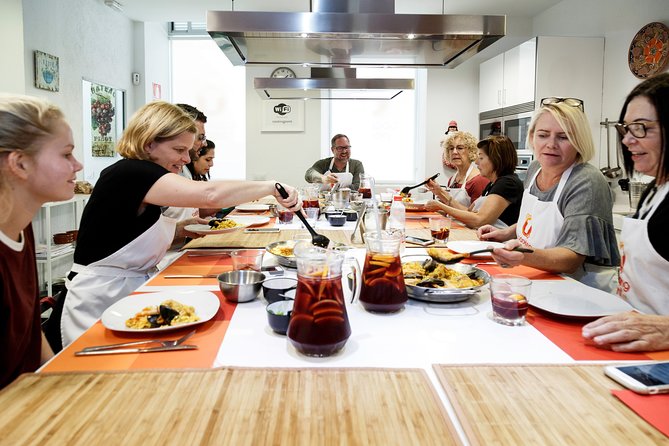
A cooking class depends heavily on the instructor, and this one has received strong praise for its teaching staff. Angel is described as witty, patient, and good at explaining both food and culture. Teresa is praised for her enthusiasm, humor, and ability to keep the group organized.
Elisa is noted for being personable, funny, and well informed. Eduardo receives praise for his market guidance, patience, and ability to let participants cook while stepping in at the right moment.
These details matter because a four-hour class can drag if the chef talks too much or takes over the work. Here, the best accounts point to a useful balance: enough explanation to understand the dish, enough freedom to make it yourself, and help when a step becomes confusing.
The experience also seems suitable for mixed skill levels. Beginners can follow direct instructions, while more experienced cooks can ask questions about technique and ingredients. A six-year-old has also been able to enjoy the class, making it a possible family activity, though parents should decide if the pace and kitchen tasks fit their child.
Family, Solo, and Couple Appeal
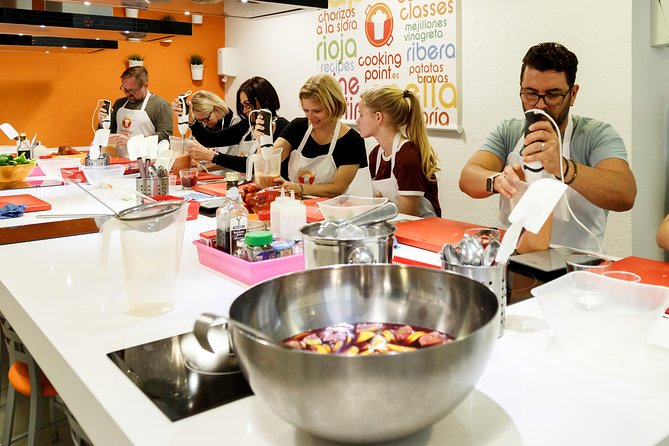
Families can get more from this than from a standard restaurant meal. Children can see how ingredients become familiar dishes, and the shared cooking gives them something active to do. Parents should still check the age and participation needs of their own children, since the class includes knives, heat, and group work.
Couples may find it a good birthday or anniversary activity. One couple used it as a birthday gift and enjoyed the combination of cooking, eating, and conversation. It is more memorable than simply booking another dinner, especially if you want an activity built into the evening.
Solo visitors are also well served. You will be paired with someone else, so you are not left working alone. The class naturally creates conversation, but it does not promise a private or quiet experience.
I would be more cautious about booking it for someone who dislikes group activities, has very strict food needs that have not been discussed in advance, or wants a private chef-led lesson. The maximum of 12 is small enough for personal help, but it is still a shared class.
Dietary Needs and Menu Planning
The provider says dietary requirements can be accommodated, which is a useful feature. You must advise them at the time of booking rather than waiting until you arrive.
This is especially important for the tapas menu, which can include ham, shrimp, chorizo, and other ingredients that may not suit every diet. The morning menu can also involve ingredients chosen at the market, so early notice gives the chef time to adjust the plan.
Do not assume that every possible substitution will be available. Ask before booking if you have a severe allergy or a strict diet. The stated policy is encouraging, but clear communication remains your responsibility.
Is $102.79 a Fair Price?
At $102.79 per person, this is a premium activity compared with buying a casual Madrid lunch. The price makes more sense when you count everything included: a four-hour class, a local chef, hands-on cooking, drinks, the meal, the morning market visit when applicable, and a recipe booklet.
You are paying for instruction and a social experience, not just plates of food. If you would happily spend an afternoon learning a dish and meeting other people, the value is solid. If your only goal is to eat inexpensive paella or tapas, a restaurant will cost less.
The recipe booklet adds practical value. You can try the dishes again at home, which turns the class into a souvenir you can use rather than something that ends when you leave the kitchen.
Hotel pickup and drop-off are not included. You need to reach Calle de Moratín 11 yourself, but the central location and nearby public transportation keep that simple.
Timing, Booking, and Cancellation
The experience lasts about four hours and is offered in a morning or evening format. The morning class is the one to choose if the market visit and paella are your priorities. Choose the evening option if you want a tapas meal with several small dishes.
It is commonly reserved well ahead of time, around 37 days before the date. That does not mean last-minute booking is impossible, but popular dates may fill, especially for small groups.
You receive confirmation at booking unless you reserve within one day of the activity. In that case, confirmation comes as soon as possible and depends on available space.
Free cancellation is available up to 24 hours before the start time for a full refund. Cancellations or changes made within 24 hours are not accepted for a refund, and the cut-off uses Madrid local time.
Who Should Book This Madrid Cooking Class?
I would recommend it to you if you want more than a restaurant meal and like learning by doing. It suits couples, families, solo visitors, and groups of friends, with the morning paella option offering the most complete food-and-market experience.
Pick the morning class for paella, gazpacho, market shopping, and a relaxed daytime meal. Pick the evening class for a wider tapas menu, dessert, and a social dinner.
I would skip it if you want a private lesson, dislike alcohol-centered activities, or are mainly looking for the cheapest way to eat Spanish food. I would also check the exact menu before booking if paella is essential to your plans.
For most visitors, though, the combination of cooking, local food knowledge, fresh ingredients, and a meal you helped create makes this a worthwhile Madrid experience. The class gives you something to remember, and the recipe booklet gives you a chance to bring part of it home.
FAQ
Where does the cooking class start?
It starts at Cooking Point, Calle de Moratín 11, Centro, 28014 Madrid, Spain.
Where does the experience end?
The activity ends back at the meeting point.
How long does the class last?
The class lasts approximately four hours.
Is the class offered in English?
Yes. The experience is offered in English.
What is the maximum group size?
The class has a maximum of 12 participants.
Is the morning class different from the evening class?
Yes. The morning class focuses on paella and includes a local market visit. The evening class focuses on tapas and does not automatically include paella.
What dishes are included in the morning class?
The morning menu includes paella, gazpacho, and sangria.
What dishes may be included in the evening tapas class?
The evening menu may include Spanish potato omelet, garlic shrimp, chorizo in cider, patatas bravas, tomato bread with ham, crema Catalana, and sangria.
Can dietary requirements be accommodated?
Yes. Tell the provider about your dietary requirements when booking.
Is hotel transportation included?
No. Hotel pickup and drop-off are not included, so you must make your own way to and from the meeting point.
Is alcohol included, and how old must I be to drink?
Drinks, including sangria, are included. The minimum drinking age is 18.
What is the cancellation policy?
You can cancel up to 24 hours before the experience for a full refund. Cancellations or changes made less than 24 hours before the start time are not accepted for a refund.
More Workshops in Madrid
- Madrid: Paella & Tapas Cooking Class and Market Visit
★ 5.0 · 50 reviews - Madrid: San Miguel view Gin and Tonic Workshop with Tapas
★ 3.9 · 25 reviews - Spanish Tapas & Paella Cooking Class in Central Madrid with Lola
★ 5.0 · 12 reviews - Authentic Tapas Cooking Class at a Private Eatery in Madrid
★ 4.3 · 6 reviews
More Sangria and Tapas Tours in Madrid
- Madrid: Paella and Sangria Workshop with Tapas
★ 4.9 · 128 reviews - Authentic Paella in Madrid: A Hands-On Class with Tapas & Sangria
★ 4.0 · 7 reviews - Barcelona Paella Cooking Class with Market Visit, Tapas & Sangria
★ 5.0 · 2,531 reviews - Barcelona Food Tour: Tapas, Paella, Sangria & 8+ Local Tastings
★ 5.0 · 1,275 reviews
Just added around Madrid
- Madrid Food Tour – Tapas Walking Tour★ 5.0 · 3 reviews
- Try Madrid Best Churros, Tapas & Market by FLT★ 5.0 · 37 reviews
- Private Wine & Gourmet Tapas Tour in Madrid with Sommelier★ 5.0 · 49 reviews
- Madrid: Private Tapas & Wine Food Walking Tour in La Latina★ 5.0 · 4 reviews
- Culinary tour “Tapas & Wines” in Madrid★ 5.0 · 3 reviews
- Tasting Madrid: Tapas Private Guided Tour (Customizable)★ 5.0 · 7 reviews
- Guided Tapas and Flamenco in Madrid★ 4.5 · 21 reviews
- Flamenco show & tasting Tapas with panoramic views in Madrid★ 4.5 · 6 reviews
Paella Cooking Classes, compared.
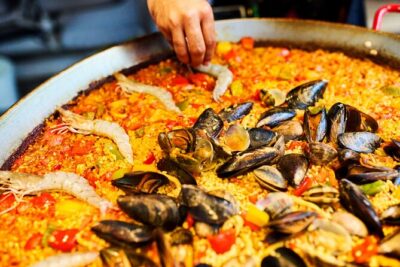
Barcelona Paella Cooking Class with Market Visit, Tapas & Sangria
Read our review →
Barcelona Food Tour: Tapas, Paella, Sangria & 8+ Local Tastings
Read our review →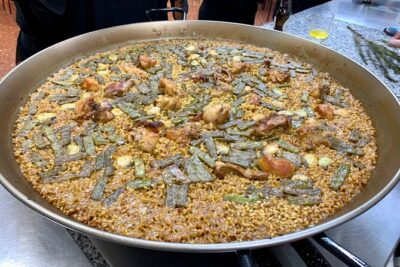
Valencian paella cooking class, tapas and visit to Ruzafa market.
Read our review →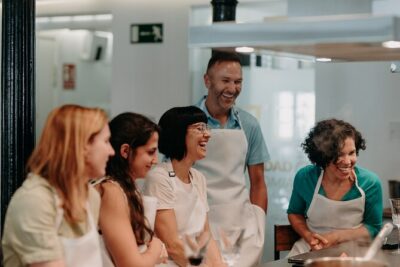
Madrid Tapas & Paella Cooking Experience with Local Market Visit
Read our review →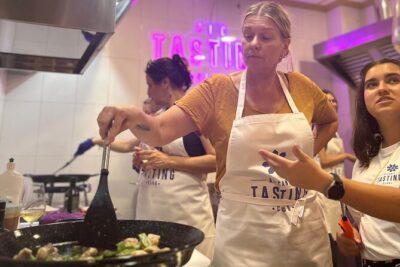
Alicante Paella Cooking Class, Tapas, Drinks and Marketplace
Read our review →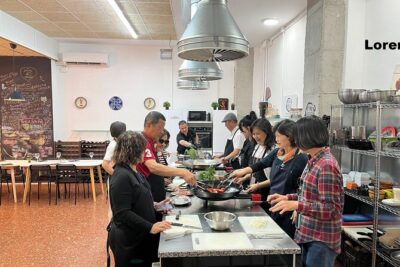
Seafood paella cooking class, tapas and visit to Ruzafa market.
Read our review →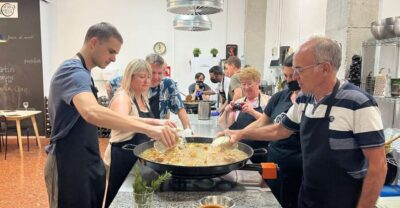
Evening Guided Paella Workshop, Tapas, and Drinks
Read our review →